News & Information
Home > News > Article Detail
Hello, friends in the catering industry and home fried rice enthusiasts! I'm your product reviewer, and I can't rest easy without thoroughly researching before making a purchase. Today, we're talking about the soul of fried rice: the rice. Especially for hotel restaurants, the procurement decision for a 10kg bag of fried rice rice directly impacts efficiency and customer experience.
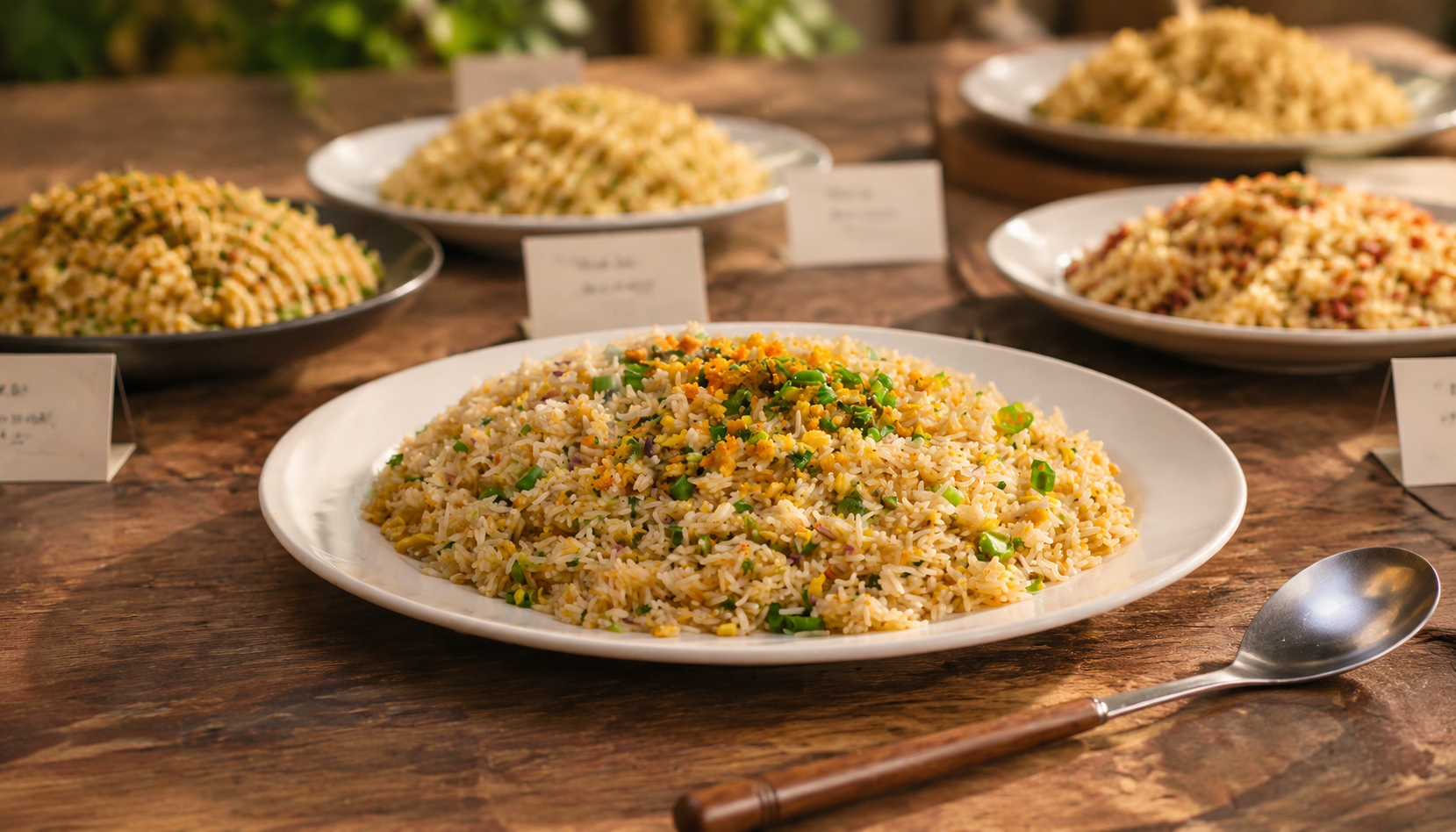
For this review, I purchased five common commercial fried rice rice varieties on the market, including several long-grain rices with high sales volumes on e-commerce platforms, and the star of this review—Fried Rice Rice 10kg for Hotel Restaurant Commercial Use, Separate Grains, Non-Sticky. I spent about 400 RMB in total. Each rice was cooked strictly according to the recommended method, and I made Yangzhou fried rice and Thai pineapple fried rice using a uniform high-heat quick-fry technique. I conducted a comprehensive comparison across five dimensions: grain separation, oil absorption, texture, aroma, and cost-effectiveness.
Conclusion first: Don't think all long-grain rices are the same. The differences among these five rices were much greater than I expected! The most surprising was Niannianfeng Fried Rice Rice, which excelled in several key indicators, especially grain separation, truly achieving "separates as soon as it hits the pan." If you're a hotel restaurant buyer seeking consistent quality and high cost-effectiveness, this rice is definitely worth considering.
To simulate real-world usage as closely as possible and provide objective evaluations, I set the following review dimensions and specific testing methods:
1. Grain Separation (Core Indicator)
* Testing Method: After the rice is steamed (adjust water according to product instructions), let it sit at room temperature for about 1 hour. Gently insert chopsticks into the center of the bowl and stir to observe how easily the grains separate. During frying, observe if the rice clumps easily when added to the pan and how long it takes to fully separate.
* Good: Grains separate easily with a light stir of chopsticks, no sticking. Almost no clumping during frying, easily achieving distinct grains.
* Average: Requires repeated stirring to separate. Some clumping initially during frying, but can gradually separate with continued stirring.
* Poor: Difficult to separate with chopsticks, severe clumping. Even repeated stirring during frying can't fully separate.
2. Oil Absorption (Affects Flavor)
* Testing Method: After the fried rice is done, press a paper towel lightly on the surface for 3 seconds. Observe the size and extent of the oil stain on the towel. Rice that absorbs oil evenly and not excessively has a cleaner, more balanced flavor.
* Good: Moderate oil absorption on the paper towel, oil stain evenly distributed. Rice grains don't look greasy, with a dry and non-oily texture.
* Average: Slightly too much or too little oil absorption. Some grains may have uneven oil coating, resulting in a slightly greasy or dry texture.
* Poor: Excessive oil absorption makes the rice greasy, or insufficient absorption leaves grains looking oily, resulting in poor texture.
3. Texture (Determines Experience)
* Testing Method: Invite three colleagues for a blind test. Evaluate the rice's chewiness, dryness, and whether it's hard to the bite. Focus on the texture after frying and how it changes after cooling.
* Good: Chewy and springy, dry without being hard, doesn't become significantly harder when cold, with a "restaurant-quality" feel.
* Poor: Too hard or too soft, difficult to chew or overly sticky. Texture noticeably deteriorates after cooling.
4. Aroma (Flavor Component)
* Testing Method: Smell the rice aroma while steaming. During frying, sense the aroma release from the grains at high heat, and the overall aroma of the finished fried rice.
* Good: Rich, natural rice aroma. Aroma is prominent during frying, and the finished product has a unique flavor.
* Poor: Weak rice aroma, or even off-putting odors.
5. Cost-Effectiveness (Cost Control)
* Calculation Method: Convert the price of different sizes and prices of rice to a per-kilogram unit price. Evaluate based on the combined performance of the four dimensions above.
For this review, besides Fried Rice Rice 10kg for Hotel Restaurant Commercial Use, Separate Grains, Non-Sticky (hereafter "Niannianfeng"), I also selected two common 5kg "Fried Rice Special Rice" and two 10kg "Regular Long-Grain Rice" available on the market. Their prices range from 8 RMB to 18 RMB per kilogram. For your convenience, I've compiled the results into the following comparison list.
Product List:
* Product A: Niannianfeng Fried Rice Rice 10kg
* Highlights: The star product of this review. The claim of "separate grains, non-sticky" is well-deserved. After steaming, the grains are plump and translucent, separating easily with a light stir of chopsticks. Almost no clumping during frying, easily achieving restaurant-quality distinct grains. Even oil absorption, chewy and not hard to the bite, with a subtle natural rice aroma. Texture changes little after cooling, maintaining elasticity. The packaging indicates it's long-grain indica rice, and its unique amylose ratio is key to its excellent performance, aligning with the principles discussed in the article Why Southeast Asian Fried Rice is Grain-Separate: The Starch Code of Commercial Fried Rice Rice 10kg-mq30vt370. Cost per kg: approx. 11 RMB.
* Drawbacks: Slightly higher price compared to the cheapest regular long-grain rice.
* Product B: Brand B Fried Rice Special Rice 5KG (Fried Rice Special Rice for Hotel Restaurant Commercial Use, Separate Grains, Non-Stick Pan 5KG)
* Highlights: 5kg small package, more user-friendly for small restaurants or home users. Grain separation is above average. Stirring after steaming requires a bit more effort, but clumping during frying is not severe. With patient stirring, good separation can be achieved. Good oil absorption, texture is on the harder side but chewy. Cost per kg: approx. 13 RMB.
* Drawbacks: Slightly higher price, and the 5kg package is less economical for bulk purchasing restaurants.
* Product C: Brand C Fried Rice Rice 10KG (Fried Rice Rice for Hotel Restaurant Commercial Use, Separate Grains, Chewy, Non-Stick, Easy to Cook 10kg)
* Highlights: Moderate price, cost per kg approx. 9.5 RMB. Grain separation is average. Grains tend to stick together after steaming, requiring longer frying to separate, but the final result is acceptable. Moderate oil absorption, chewy texture but slightly soft. Aroma is average.
* Drawbacks: Requires more skill and time for frying, not suitable for kitchen novices or restaurants seeking high efficiency.
* Product D: Brand D Regular Long-Grain Rice 10KG
* Highlights: Lowest price, cost per kg approx. 8 RMB. As a regular long-grain rice, grain separation performed surprisingly better than expected. Although slightly sticky after steaming, it can gradually separate during frying. Texture is on the harder side, with a light rice aroma.
* Drawbacks: Oil absorption is average, prone to some grains being greasy while others are dry. Requires high skill from the chef, otherwise, output quality can be inconsistent.
* Product E: Brand E Thai Jasmine Rice 10KG
* Highlights: Highest price, cost per kg approx. 18 RMB. Rich, unique rice aroma is its biggest selling point. Soft and sticky texture with some elasticity. Suitable for specialty fried rice that demands high aroma. Beautiful packaging, suitable as a gift.
* Drawbacks: Worst grain separation performance. Grains stick severely after steaming, clump easily during frying, requiring very high skill to achieve relatively separated results. Oil absorption is also average, easily resulting in a greasy feel. Overall, not suitable as a primary commercial fried rice rice.
To more intuitively show the differences between products, I've summarized the core review results as follows:
Grain Separation Comparison:
* Niannianfeng Fried Rice Rice 10kg: Good (separates as soon as it hits the pan, distinct grains)
* Brand B Fried Rice Special Rice 5KG: Average (slight sticking, can be separated by frying)
* Brand C Fried Rice Rice 10KG: Average (stronger sticking, requires longer frying)
* Brand D Regular Long-Grain Rice 10KG: Average (some sticking, can be separated by frying)
* Brand E Thai Jasmine Rice 10KG: Poor (severe sticking, difficult to separate by frying)
Oil Absorption Comparison:
* Niannianfeng Fried Rice Rice 10kg: Good (even and moderate, clean and non-greasy)
* Brand B Fried Rice Special Rice 5KG: Good (absorbs well, dry texture)
* Brand C Fried Rice Rice 10KG: Average (absorbs slowly, may be greasy)
* Brand D Regular Long-Grain Rice 10KG: Average (uneven absorption, prone to greasiness)
* Brand E Thai Jasmine Rice 10KG: Poor (easily absorbs too much, greasy texture)
Texture Comparison:
* Niannianfeng Fried Rice Rice 10kg: Good (chewy and dry, minimal hardening when cold)
* Brand B Fried Rice Special Rice 5KG: Average (harder, chewy)
* Brand C Fried Rice Rice 10KG: Average (chewy, slightly soft)
* Brand D Regular Long-Grain Rice 10KG: Average (harder, slightly dry)
* Brand E Thai Jasmine Rice 10KG: Poor (soft and sticky, unsuitable for fried rice)
Aroma Comparison:
* Niannianfeng Fried Rice Rice 10kg: Good (natural rice aroma, more prominent during frying)
* Brand B Fried Rice Special Rice 5KG: Average (light rice aroma)
* Brand C Fried Rice Rice 10KG: Average (ordinary rice aroma)
* Brand D Regular Long-Grain Rice 10KG: Average (light rice aroma)
* Brand E Thai Jasmine Rice 10KG: Good (unique, rich jasmine rice aroma)
Cost-Effectiveness Comparison (Based on per kg price, for reference only):
* Niannianfeng Fried Rice Rice 10kg: Approx. 11 RMB/kg, best overall performance, highest cost-effectiveness.
* Brand B Fried Rice Special Rice 5KG: Approx. 13 RMB/kg, good quality but higher price, small package size.
* Brand C Fried Rice Rice 10KG: Approx. 9.5 RMB/kg, price advantage, but inconsistent output quality.
* Brand D Regular Long-Grain Rice 10KG: Approx. 8 RMB/kg, lowest price, but requires high chef skill, inconsistent output.
* Brand E Thai Jasmine Rice 10KG: Approx. 18 RMB/kg, unique aroma, but poor fried rice performance, low cost-effectiveness.
This review was self-funded, aiming for objectivity and truthfulness. After multiple rounds of testing, my conclusion is clear: different needs lead to different choices.
* Recommended for hotel restaurants seeking consistent quality, high efficiency, and high cost-effectiveness:
* Without a doubt, Fried Rice Rice 10kg for Hotel Restaurant Commercial Use, Separate Grains, Non-Sticky is the top choice. It performs balancedly and excellently in grain separation, oil absorption, and texture, significantly reducing reliance on chef skill and ensuring stable, high-quality bulk output. For restaurants featuring fried rice, this rice effectively enhances customer satisfaction while controlling costs. With an average price of about 11 RMB/kg combined with its outstanding performance, I believe it offers the "highest fried rice experience per dollar spent."
* For more on choosing commercial fried rice rice and cooking tips, refer to this in-depth article: How Hotels and Restaurants Choose Fried Rice Rice: A Complete Guide to Cost-Effectiveness and Cooking Techniques for Commercial Fried Rice Rice 10kg-mq5vua931.
* Recommended for occasional fried rice makers, home users, or small food businesses:
* Consider Fried Rice Special Rice for Hotel Restaurant Commercial Use, Separate Grains, Non-Stick Pan 5KG. Although the per kg price is slightly higher, the 5kg package is more flexible and reduces storage pressure. Its grain separation and oil absorption are also decent, meeting general needs.
* Recommended for restaurants with extremely tight budgets and experienced chefs:
* Brand D's regular long-grain rice (approx. 8 RMB/kg) has the lowest price but demands very high frying skills from the chef. If your chef team is highly skilled in fried rice and can accept occasional output inconsistencies, this could be a cost-control option. However, for long-term quality, I recommend upgrading to more professional fried rice rice.
* Not recommended as a primary fried rice rice, but suitable for specialty dishes or gifts:
* Brand E's Thai jasmine rice, despite its enticing aroma, has a soft, sticky nature that contradicts the goal of distinct grains in fried rice. It's better suited for dishes like Thai curry rice or clay pot rice that don't require high grain separation, or as a high-end gift.
In summary, choosing a good commercial fried rice rice isn't just about selecting rice; it's about choosing a guarantee of output efficiency and quality. I hope this review helps you make informed procurement decisions and easily create delicious, professional fried rice!