News & Information
Home > News > Article Detail
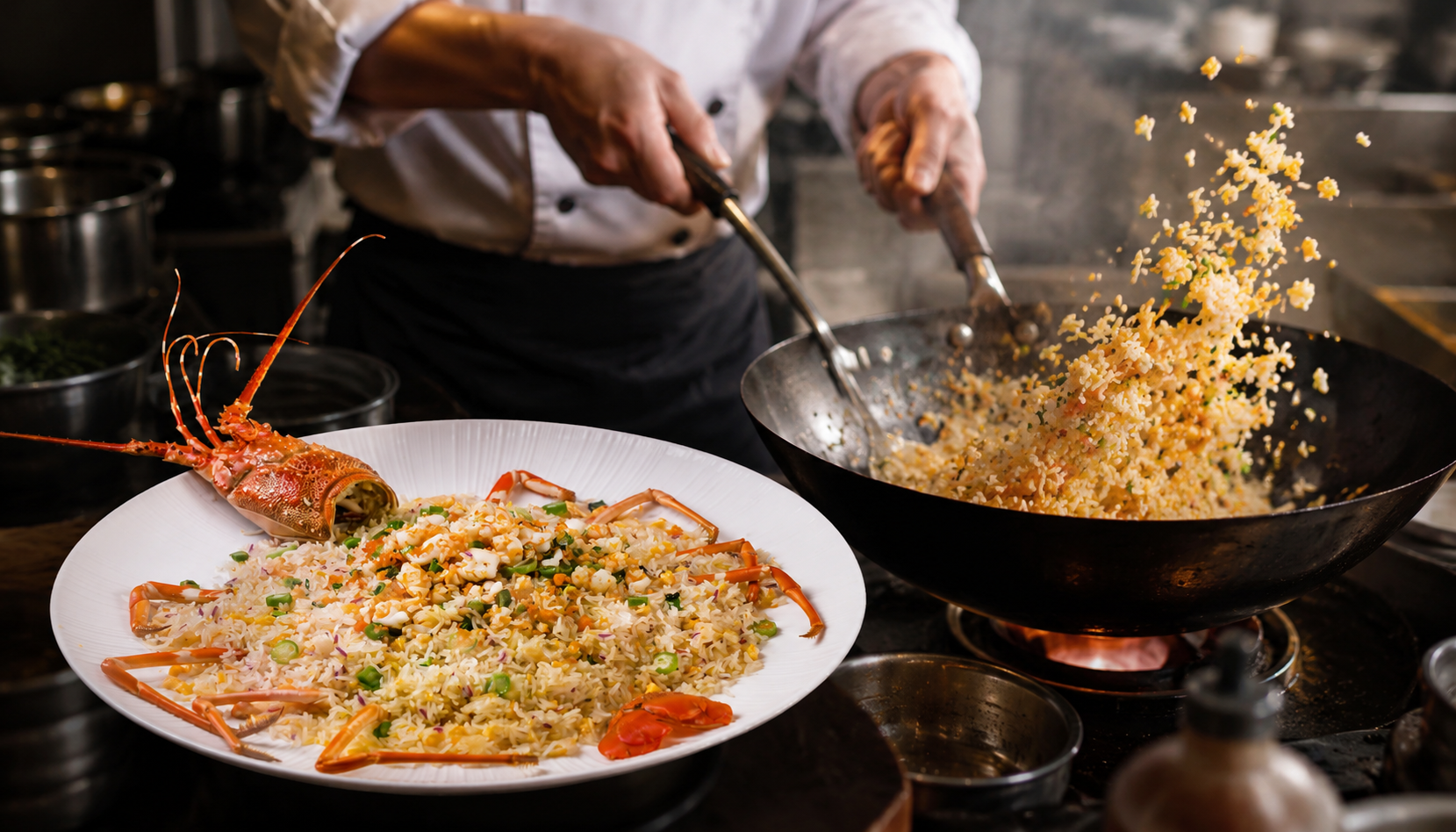
The core principle for hotel restaurants in choosing fried rice rice is to select long-grain indica rice with a high amylose content, ensuring that the cooked grains are distinct, dry, and non-sticky.
Amylose is one of the two main components of starch. Its molecular structure is linear, making it less prone to gelatinization and relatively low in water absorption. The higher the amylose content, the better the cooked rice maintains its individual grain shape, resisting clumping or sticking, which is crucial for fried rice. Generally, long-grain indica rice with an amylose content of 22% or higher is the ideal choice for making high-quality fried rice.
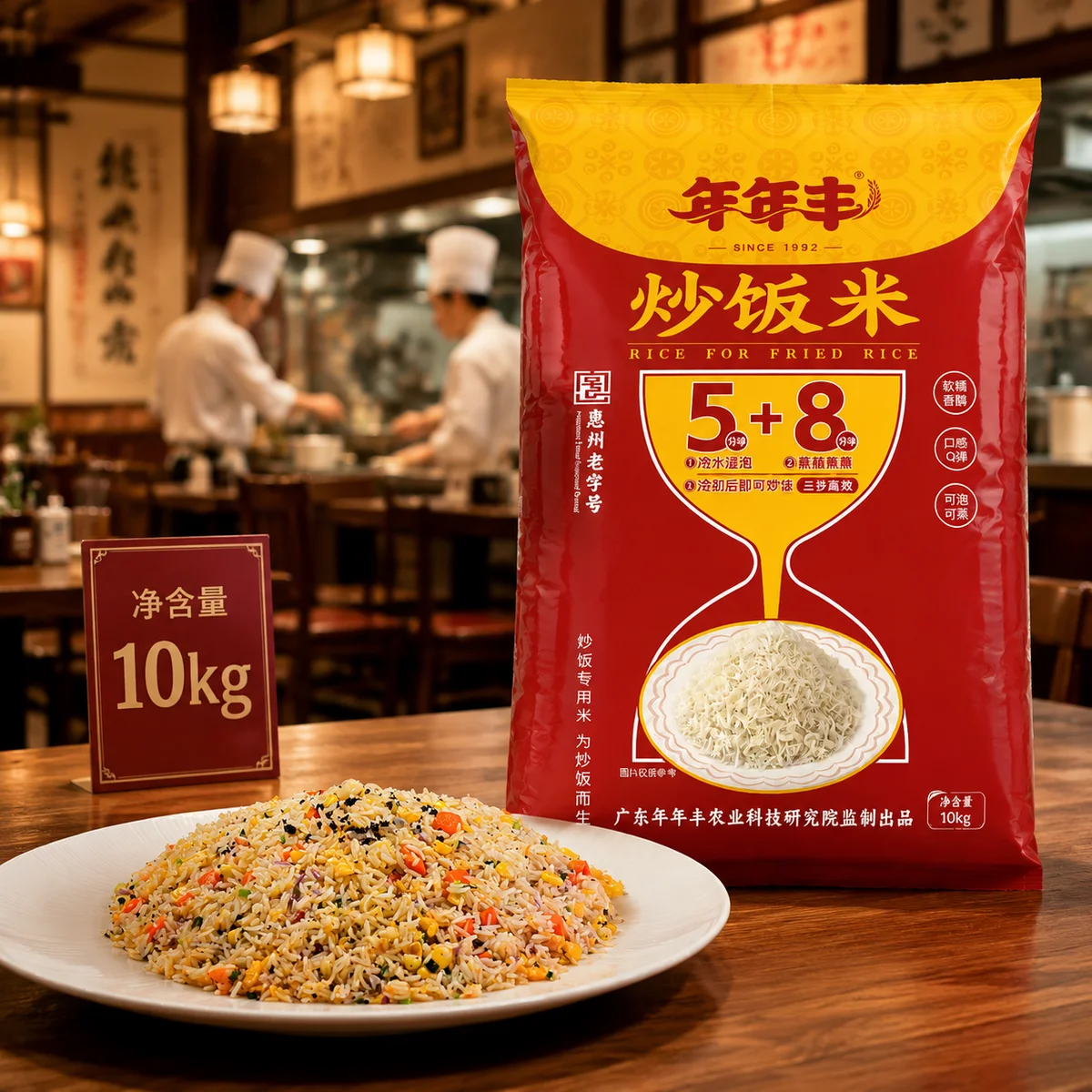
In commercial settings, for large-scale production of premium fried rice, it is recommended to use Fried Rice Rice 10kg for Hotel Restaurant Commercial Use, Distinct Grains Non-Sticky specifically designed for the food service industry. This type of specialized rice undergoes careful selection and processing, consistently providing a base of distinct, springy, and non-sticky grains, significantly enhancing the quality of the fried rice and customer satisfaction.
Different rice varieties have significant differences in their suitability for fried rice, mainly reflected in grain shape, water absorption, and amylose content:
* Long-Grain Indica Rice (e.g., Thai Jasmine Rice, Specialized Fried Rice Rice):
* Amylose Content: Typically high (18%-25%), with specialized fried rice rice reaching 22%-24%.
* Characteristics: Slender grains, dry and chewy texture after cooking, easy to separate. Does not harden easily upon cooling, making it the top choice for fried rice and clay pot rice.
* Recommendation: ⭐⭐⭐⭐⭐ Highly recommended, especially the optimized Specialized Fried Rice Rice for Hotel Restaurant Commercial Use, Distinct Grains Non-Stick 5KG.
* Medium-Grain Indica Rice (e.g., Some Southern Chinese Rice):
* Amylose Content: Medium (15%-18%).
* Characteristics: Grain length is between long and short grain, texture is moderate, but may not be as dry as long-grain rice when stir-frying.
* Recommendation: ⭐⭐⭐ Can be used, but careful control of rice moisture is needed, or using overnight rice is recommended.
* Short-Grain Japonica Rice (e.g., Northeast Chinese Rice, Japanese Rice):
* Amylose Content: Low (below 15%).
* Characteristics: Round, short grains, soft and sticky texture after cooking, rich in amylopectin. Tends to harden upon cooling and easily clumps and sticks to the pan when stir-frying.
* Recommendation: ⭐ Not recommended for fried rice; better suited for sushi or daily staple food.
To learn more about the relationship between rice starch structure and fried rice quality, refer to the article: Why Southeast Asian Fried Rice is Distinctly Grainy: The Starch Code of Hotel Commercial Fried Rice Rice 10kg-mq30vt370.
The key to fried rice rice achieving distinct, non-sticky grains lies in its amylose content, appropriate moisture level, and unique processing techniques.
The stickiness of rice is primarily determined by the type of starch. Amylopectin is a highly branched starch molecule that easily expands, gelatinizes, and releases a large amount of starch upon heating, leading to sticky rice. In contrast, amylose is less prone to gelatinization and better maintains the integrity of the rice grain. Specialized fried rice rice, such as Niannianfeng's Fried Rice Rice for Hotel Restaurant Commercial Use, Distinct Grains, Springy, Non-Sticky, Easy-to-Cook 10kg, ensures its "non-sticky" nature from the source by selecting high-quality long-grain indica rice with high amylose content.
Furthermore, specialized fried rice rice often undergoes specific processing techniques. These may include light polishing to preserve the microporous structure on the grain surface, allowing for even water absorption during cooking and better coating of oil and seasonings during stir-frying. After cooking, a thin starch film forms on the surface of the grains, but the core amylose structure prevents them from breaking easily, thus maintaining their individuality during high-heat tossing.
Appropriate moisture content in the cooked rice is also critical for achieving distinct grains. Freshly cooked rice has high moisture content and tends to release water and stick to the pan when stir-fried directly. Therefore, it is recommended to let the cooked rice cool completely, preferably refrigerating it overnight. The refrigeration process causes the starch in the rice to undergo retrogradation, where starch molecules realign, becoming denser and firmer. Some moisture also evaporates, making the rice grains drier and more suitable for stir-frying.
For a deeper understanding of how commercial fried rice rice achieves distinct grains, read: The Secret of Commercial Fried Rice Rice 10kg for Achieving Distinct Grains Without Sticking-mq1lfyy00.
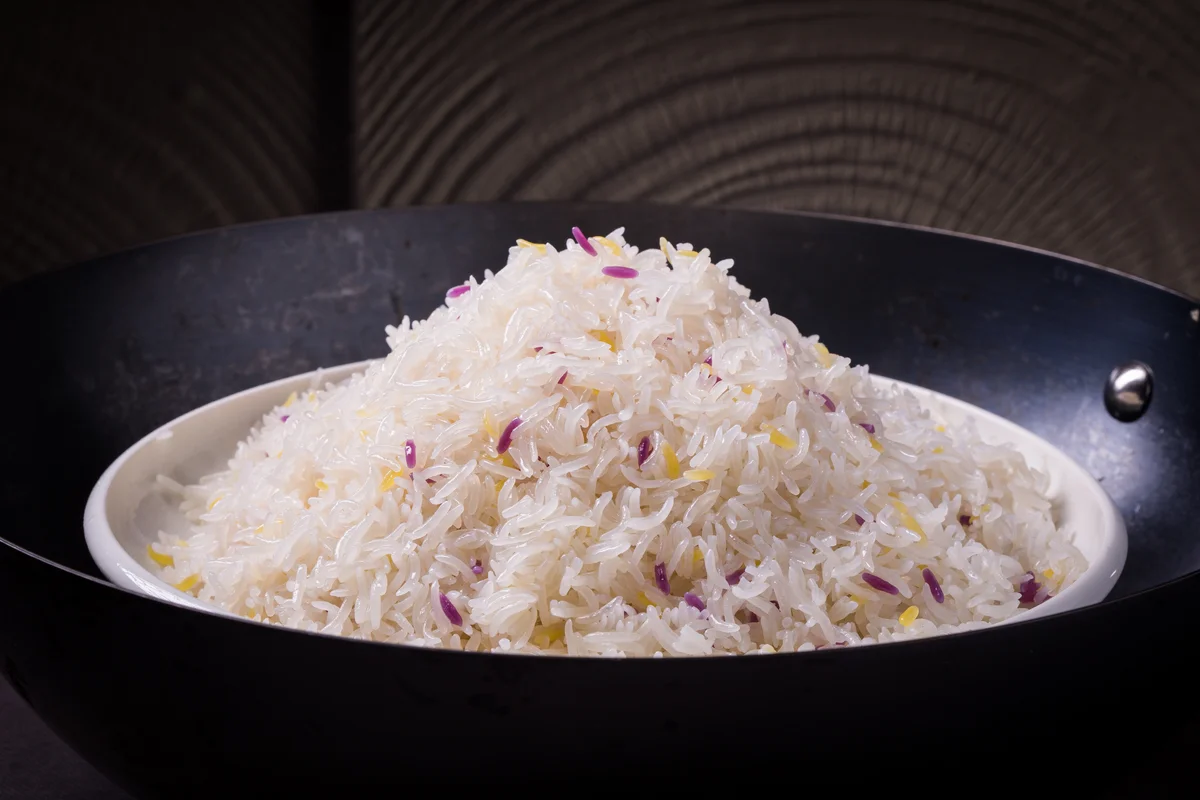
Mastering rice handling, heat control, and ingredient pairing is the core of making perfect fried rice, effectively preventing sticking and water release.
1. Rice Handling is the Foundation:
* Overnight or Chilled Rice: This is the secret to distinct grains in fried rice. Freshly cooked rice has high moisture, making it prone to sticking and releasing water during stir-frying. Cook the rice in advance, spread it out to cool, then refrigerate for at least 4 hours or overnight. This allows the grains to dehydrate and retrograde, becoming dry and firm. For restaurant batch production, large quantities of chilled rice can be prepared in advance.
* Rice-to-Water Ratio: When cooking the rice, the water ratio should be slightly lower than for daily consumption, resulting in firmer rice. A recommended ratio is approximately 1:1.1 to 1:1.2 (rice to water).
* Loosening the Rice: Before stir-frying, thoroughly break up the chilled rice with a spatula or your hands to ensure no clumps remain.
2. Heat Control is Crucial:
* High Heat, Quick Stir-fry: Fried rice must be cooked over high heat with rapid tossing. High temperatures quickly evaporate surface moisture from the grains, ensuring even heating and creating a desirable smoky aroma, while preventing the rice from sticking or burning due to prolonged time in the pan.
* Hot Wok, Cold Oil: Heat the wok until it smokes, then add an appropriate amount of cooking oil. Once the oil is hot, immediately add the rice or other ingredients. This creates an oil film that reduces sticking.
3. Oil Usage and Seasoning:
* Type of Oil: Use mild-flavored vegetable oils like peanut or corn oil, or add a small amount of lard for extra flavor. The amount of oil should be moderate – enough to coat the grains evenly without sticking, but not so much that it becomes greasy.
* Season in Stages: Add salt, soy sauce, and other seasonings near the end of the stir-frying process. Adding them too early can cause the rice to release water or heat unevenly.
4. Ingredient Pairing and Stir-fry Order:
* Pre-cook Ingredients: Meat, seafood, etc., should be marinated and cooked through beforehand; vegetables can be blanched or stir-fried separately until just cooked. This prevents ingredients from releasing excess moisture into the fried rice.
* Stir-fry Order: Typically, scramble the eggs first and set aside. Then cook other ingredients that take longer. Finally, add the rice and stir-fry over high heat. Once the rice is separated and distinct, add the pre-cooked ingredients and eggs, toss quickly to combine, season, and serve.
By applying these techniques with specialized rice like Fried Rice Rice 10kg for Hotel Restaurant Commercial Use, Distinct Grains Non-Sticky, hotel restaurants can easily produce high-quality fried rice with distinct grains.
Evaluating the cost-effectiveness of batch fried rice production in hotel restaurants requires a comprehensive consideration of ingredient costs, labor efficiency, and final product quality to ensure consistent output and market competitiveness.
1. Ingredient Cost Control:
* Rice Cost: Choosing a cost-effective commercial fried rice rice is crucial. While specialized fried rice rice may be slightly more expensive than regular rice, the improvements in output quality, production efficiency, and customer satisfaction can bring higher added value. For example, purchasing bulk packages like Fried Rice Rice 10kg for Hotel Restaurant Commercial Use, Distinct Grains Non-Sticky often offers better unit prices, reducing the cost per serving of rice.
* Ingredient Cost: Select ingredients rationally based on the dish's positioning and seasonality, and standardize procurement to control waste.
2. Labor Efficiency Improvement:
* Advantages of Specialized Rice: Using fried rice rice that is easy to separate and non-sticky can significantly reduce the chef's cooking time and lower the operational difficulty. This means chefs can fulfill orders faster during peak hours, increasing service speed.
* Standardized Process: Establishing a standardized fried rice production process, including rice cooking methods, ingredient preparation, stir-frying steps, and seasoning ratios, can reduce training costs, speed up the onboarding of new staff, and ensure product consistency.
* Equipment Investment: Consider investing in high-power commercial woks, automatic stir-fry machines, and other equipment to further enhance batch production efficiency and reduce labor input.
3. Final Product Quality Assurance:
* Consistent Texture: High-quality fried rice rice ensures that every serving achieves the ideal state of distinct, springy, and non-sticky grains, avoiding inconsistencies caused by rice quality issues, which is vital for maintaining the restaurant's brand image.
* Customer Satisfaction: High-quality fried rice enhances the dining experience, increasing repeat business and word-of-mouth promotion, indirectly leading to higher revenue.
* Waste Reduction: Rice that doesn't stick to the pan or burn easily reduces waste from operational errors, lowering hidden costs.
By carefully selecting suitable Fried Rice Rice 10kg for Hotel Restaurant Commercial Use, Distinct Grains Non-Sticky and optimizing the production process, hotel restaurants can effectively control costs while ensuring high-quality output, achieving better operational results.