News & Information
Home > News > Article Detail
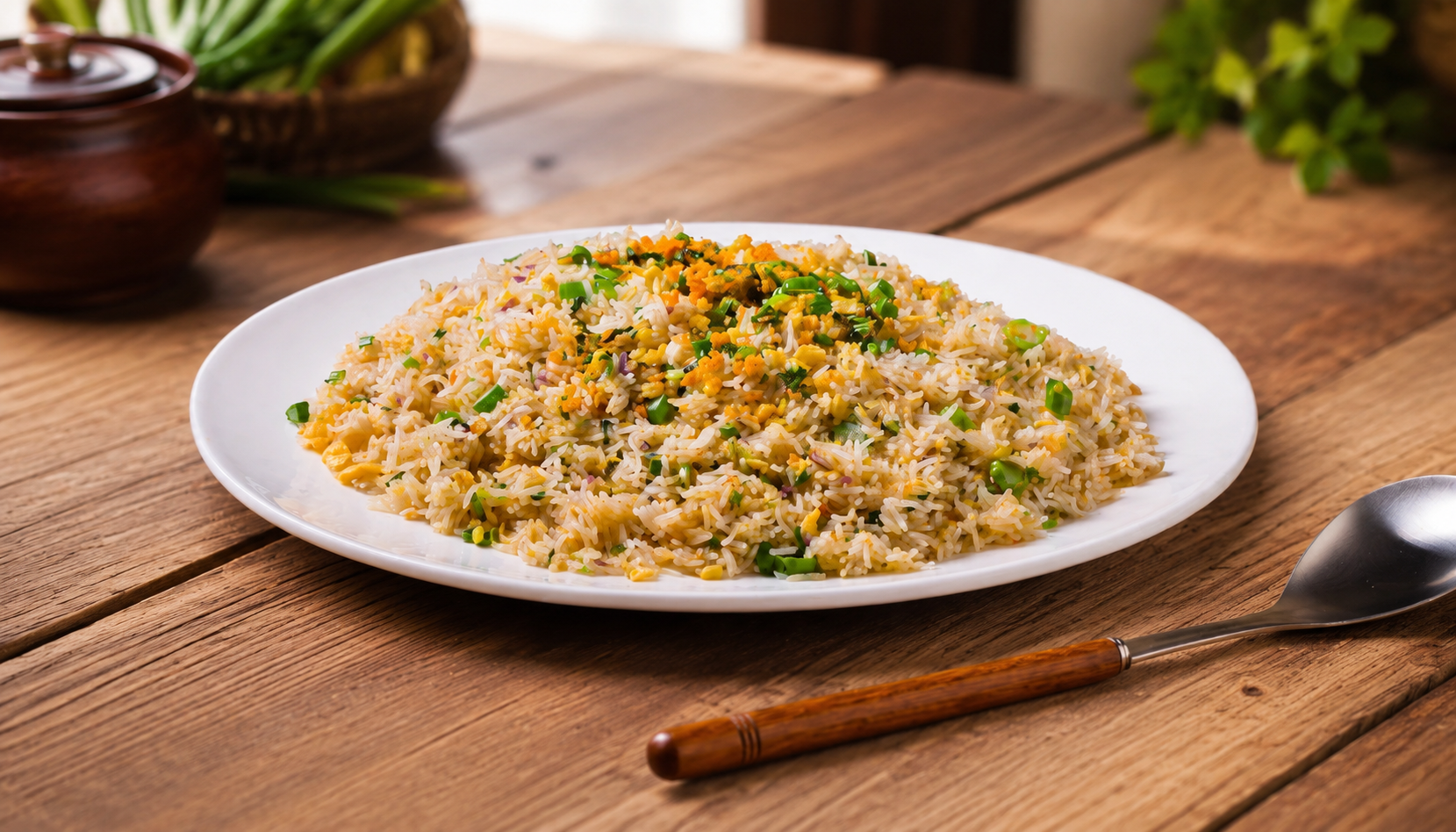
For hotel and restaurant commercial fried rice, the best choice is long-grain indica rice with high amylose content and dry, individual grains, such as Fried Rice Special Rice for Hotels, Restaurants & Commercial Use, Perfectly Separated Grains, Non-Stick, 5KG. This type of rice yields distinct, separate grains after cooking that do not clump easily when stir-fried, effectively enhancing the texture and efficiency of fried rice preparation.
The soul of a successful fried rice lies in the form and texture of the rice grains. For hotels and restaurants striving for high standards, using ordinary rice often fails to achieve the desired effect of distinct, dry, and chewy grains, directly impacting the customer's dining experience and the establishment's reputation. Therefore, rice varieties specifically designed for fried rice have emerged. By optimizing the rice variety and processing techniques, they ensure excellent performance under high-heat, quick stir-frying conditions.
Fried Rice Special Rice is long-grain indica rice that has been selected and specially processed. Its core characteristics are high amylose content and an optimized grain structure, designed to deliver a fried rice texture that is distinct, Q弹 (chewy-tender), and non-sticky. Understanding its difference from ordinary rice lies in recognizing the two main starch components in rice: amylose and amylopectin.
Amylose is a linear starch molecule. During heating, it absorbs less water and expands less. After gelatinization, the surface of the rice grain is relatively dry and less prone to sticking. Amylopectin is a branched starch molecule. It absorbs a lot of water and expands significantly. After gelatinization, it is highly sticky, causing rice grains to clump together easily.
Different types of rice have vastly different ratios of amylose to amylopectin, which directly determines the texture and cooking properties of the cooked rice. Below is a comparison of the characteristics of Fried Rice Special Rice versus several common types of ordinary rice:
Thus, Fried Rice Special Rice is not just any long-grain rice. It emphasizes a balanced starch ratio and refined grain processing to meet the strict requirements of fried rice for "independent, dry, and Q弹" grains.
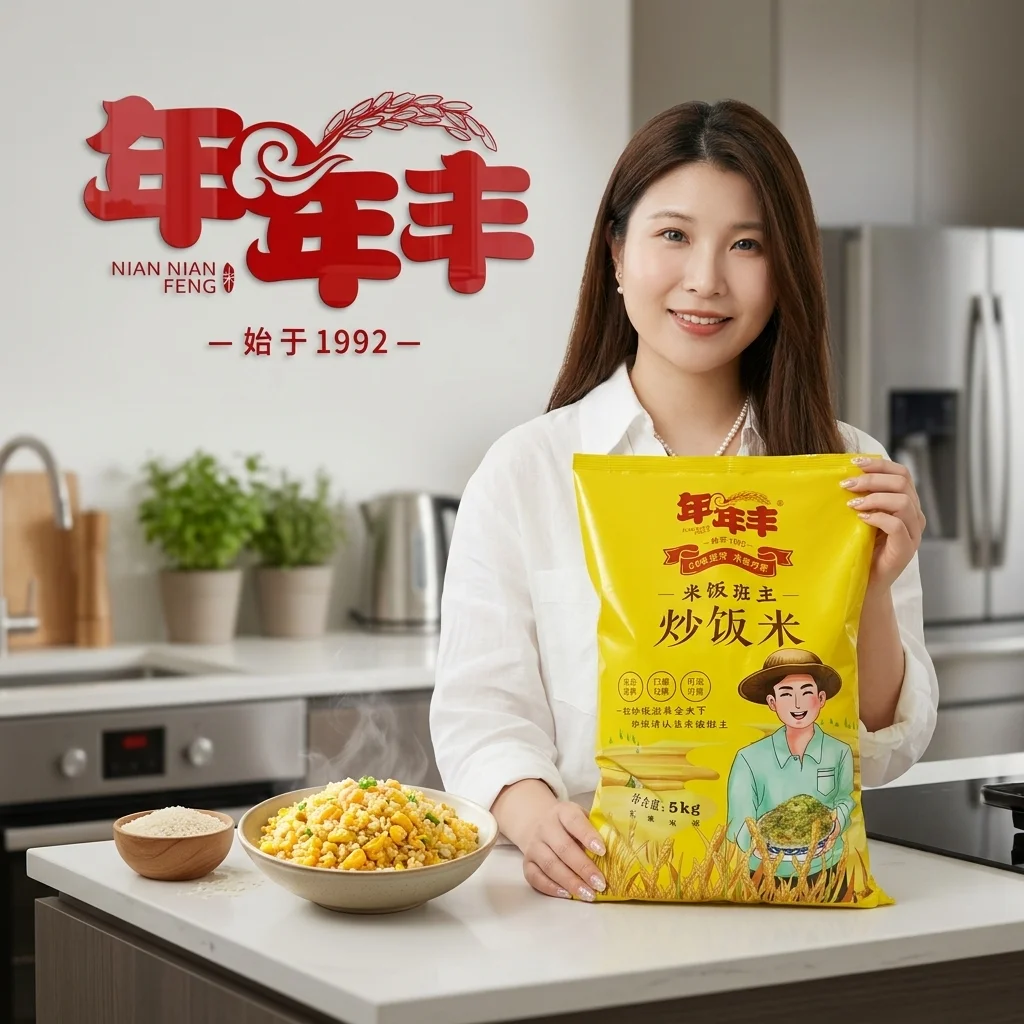
For hotels and catering businesses, choosing Fried Rice Special Rice for Hotels, Restaurants & Commercial Use, Perfectly Separated Grains, Non-Stick, 5KG is not only key to improving dish quality but also a crucial step in optimizing operational efficiency. Its advantages are manifold:
1. Consistent Output, Uniform Quality: Special rice undergoes strict screening and processing, ensuring the stability and consistency of every batch of cooked rice. Regardless of which chef is cooking, they can easily produce fried rice with distinct grains, avoiding texture issues caused by inconsistent rice quality and helping maintain the restaurant's brand image. This is especially important in fast-paced commercial kitchens, effectively reducing the failure rate of fried rice dishes due to rice problems. For more on choosing fried rice rice, refer to this article: The Secret to Perfect Fried Rice: Why Hotel & Commercial Fried Rice Rice Never Fails - mq05zznu0.
2. Improved Cooking Efficiency: Special rice is less likely to stick to the wok during stir-frying, making the tossing process smooth and easy, significantly reducing cooking time. For restaurants that need to prepare fried rice in bulk, this means higher service speed and faster table turnover, directly boosting profitability. The uniform oil absorption of the grains also reduces the need for excessive adjustments to heat and oil quantity during cooking, lowering the operational difficulty.
3. Reduced Ingredient Waste: Ordinary rice tends to stick to the wok and break during stir-frying, potentially leading to wasted rice. Fried Rice Special Rice maintains grain integrity, reducing sticking and waste, thereby lowering ingredient costs. Furthermore, its resistance to hardening allows leftover or pre-cooked rice to be utilized more effectively, further minimizing waste.
4. Enhanced Customer Experience: Fried rice with distinct, Q弹, non-sticky grains is a key benchmark for quality. Special rice delivers a superior taste and visual experience, boosting customer satisfaction. The grains evenly coat with seasonings, ensuring a harmonious flavor in every bite, leaving a lasting impression on customers.
5. Versatility in Various Dishes: Although designed for fried rice, this type of rice is also excellent for clay pot rice, some Southeast Asian dishes, and can even serve as a substitute for sushi rice in certain situations (though professional sushi rice has its own specific requirements). Its unique texture and form make it useful across a diverse menu. For example, Fried Rice Rice 10kg for Hotels & Restaurants, Commercial Use, Distinct Q弹 Grains, Easy to Cook and Fried Rice Rice 10kg for Hotels & Restaurants, Commercial Use, Non-Sticky Grains are both excellent choices for commercial use.
Even high-quality Fried Rice Special Rice requires the correct cooking method to unlock its full potential. Here are the recommended steps for making perfectly separated fried rice:
1. Cooking the Rice:
* Rice-to-Water Ratio: Use a slightly lower ratio than for regular steamed rice, typically 1:1.1 to 1:1.2 (rice: water). Adjust based on the specific rice variety and personal preference. Too little water makes the rice too hard; too much makes it sticky.
* Soaking: Wash the rice and soak it for about 20-30 minutes before cooking. This helps the grains absorb water evenly, resulting in plumper cooked rice.
* Cooking: Cook the rice using a rice cooker or steamer. Ensure the rice is fully cooked and has a slightly dry feel.
2. Cooling and Drying:
* Cooling: Properly cooked rice is the key to great fried rice. Spread the hot cooked rice onto a clean tray or large plate. Gently fluff it with a rice paddle to release steam. The ideal state is for the rice to cool down completely. Refrigerating it overnight is even better, as this allows further moisture evaporation, making the grains drier and less prone to sticking. This is the "secret weapon" for achieving perfectly separated fried rice.
3. Stir-Frying:
* Hot Wok, Cold Oil: Heat the wok until it starts to smoke. Add an appropriate amount of cooking oil, swirl to coat the bottom evenly, then let it cool slightly. This creates an oil film that prevents the rice from sticking.
* High Heat, Fast Stir-Frying: Add the cooled rice to the wok and stir-fry quickly over high heat. Avoid low heat, as it can cause the rice to sit in the wok too long, allowing moisture to seep back in and ruining the distinct grain effect.
* Add Ingredients in Batches: It's recommended to stir-fry the aromatics and other ingredients (e.g., eggs, diced meat, vegetables) first, then remove them from the wok. Next, stir-fry the rice alone until it is well separated and fragrant. Finally, return the cooked ingredients to the wok, mix well with the rice, add seasonings, and stir-fry quickly before serving. This ensures the rice is fully heated and the ingredients retain their best flavor.
By following these steps, even a kitchen novice can easily produce hotel-quality fried rice with perfectly separated grains. For a more detailed guide, refer to this article: 5 Easy Steps for Lazy Cooks to Make Hotel-Quality Fried Rice with Special Rice - mq5vrj160.
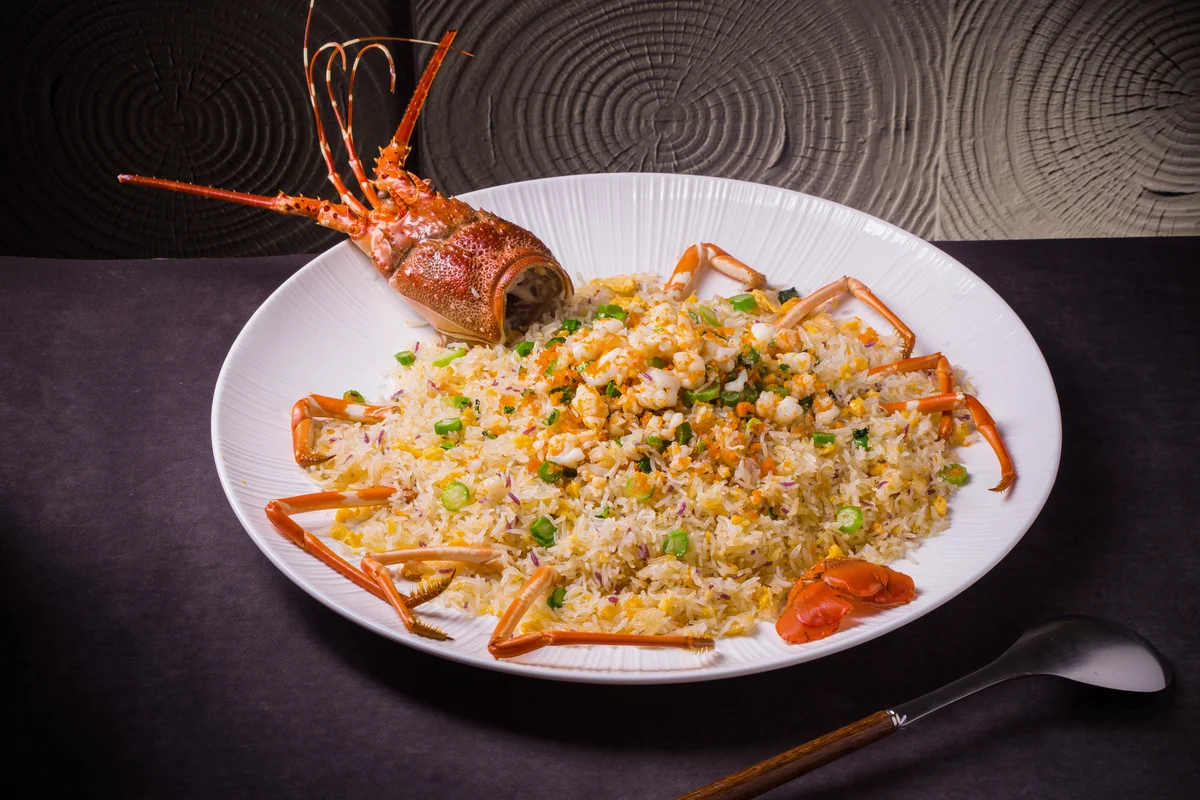
Although Fried Rice Special Rice for Hotels, Restaurants & Commercial Use, Perfectly Separated Grains, Non-Stick, 5KG is renowned for its excellent fried rice performance, its high amylose content and distinct grain characteristics also make it perform admirably in other dishes. Here are some uses beyond fried rice:
* Clay Pot Rice: Clay pot rice has similar requirements to fried rice – the grains need to maintain their integrity during cooking without becoming mushy, while fully absorbing the flavors of the broth. Fried Rice Special Rice can produce clay pot rice with a crispy bottom and distinct, separate grains, offering an excellent texture.
* Steamed Rice with Toppings (e.g., Steamed Rice with Chicken and Mushrooms, Spareribs): When making these dishes, special rice can better absorb the savory flavors of the meat and vegetables while maintaining its granular texture, making every bite flavorful.
* Plain Steamed Rice (Daily Staple): For those who prefer their rice firmer and with distinct grains, Fried Rice Special Rice can be used as a daily staple. Unlike the soft, sticky texture of japonica rice, it pairs well with various dishes without overpowering their flavors.
* Some International Dishes: In dishes requiring dry, non-sticky rice, such as certain Southeast Asian or Middle Eastern rice dishes, Fried Rice Special Rice can be an ideal choice.
* Sushi Rice (Non-Traditional): Although professional sushi rice typically uses short-grain japonica rice, for sushi enthusiasts who prefer a more distinct, less sticky grain texture, or when professional sushi rice is unavailable, Fried Rice Special Rice can offer a unique sushi experience, producing sushi with a relatively refreshing texture.
* Fried Rice Special Rice is the ideal choice for hotel and restaurant commercial use, ensuring fried rice with perfectly separated, Q弹, non-sticky grains.
* Its high amylose content is the key to dry, non-clumping cooked rice.
* Compared to ordinary rice, special rice offers significant advantages in output consistency, cooking efficiency, and ingredient waste reduction.
* Key steps for perfect fried rice include the correct rice-to-water ratio, thorough cooling of the rice, and high-heat, fast stir-frying.
* Fried Rice Special Rice can also be used for clay pot rice, steamed rice with toppings, and other dishes requiring high grain integrity.