News & Information
Home > News > Article Detail
Ever found yourself standing over the stove, spatula in hand, trying to coax a sticky, clumpy mess into something resembling fried rice? You're not alone. Many home cooks struggle with achieving that elusive 'separate grains, non-stick' perfection, often blaming their pan or their technique.
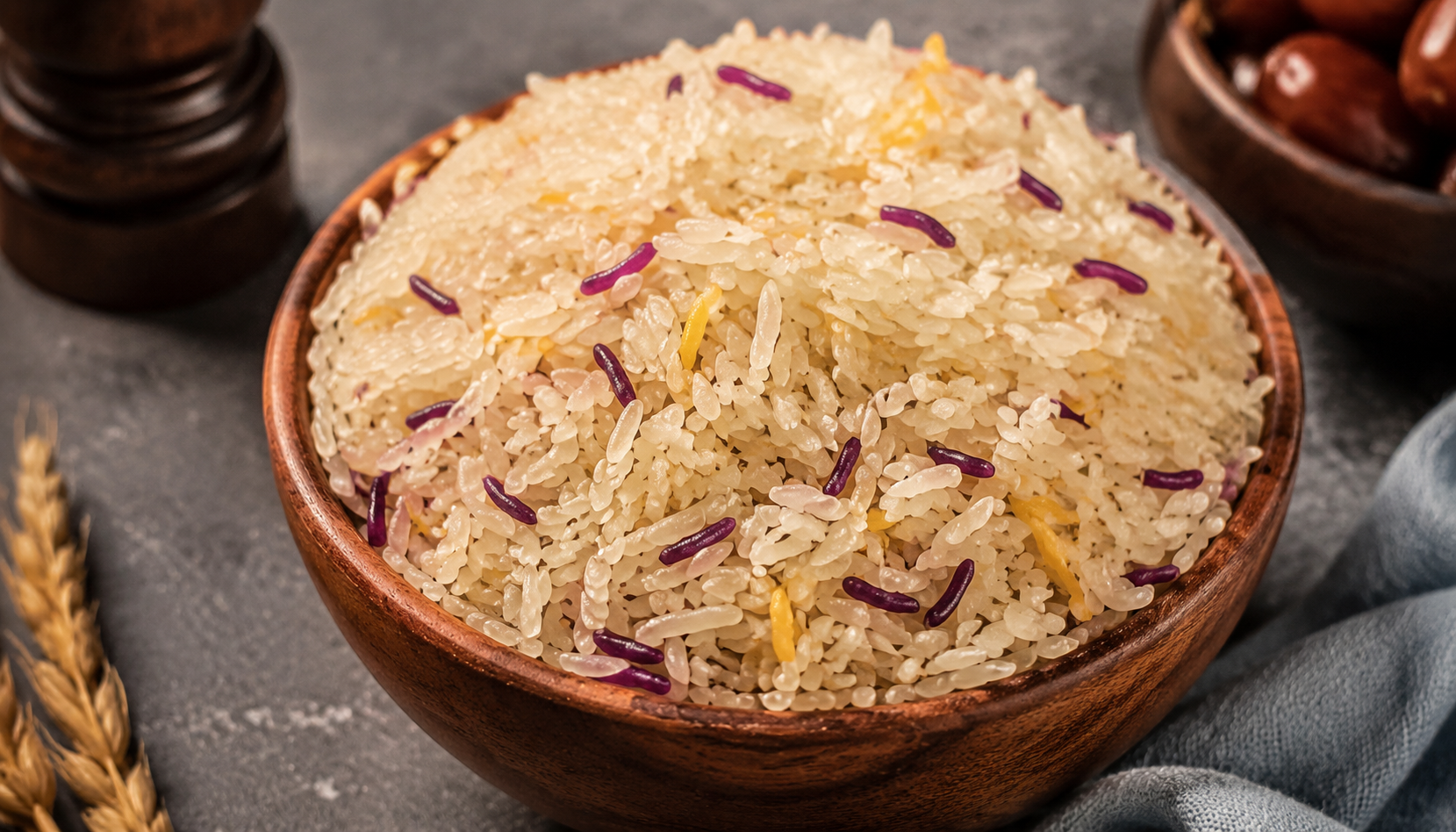
But what if I told you the real hero – or villain – is often the rice itself? Today, we're diving deep into how Nian Nian Feng Fried Rice Rice 0.5KG - Separate Grains, Non-Stick, Fragrant and Chewy can transform your fried rice game, ensuring every grain is distinct, aromatic, and delightfully chewy, just like your favorite takeout.
Most everyday rice varieties, especially short-grain types, are high in amylopectin, a type of starch that makes rice sticky and soft when cooked. This is great for sushi or a comforting bowl of plain rice, but it's a disaster for fried rice. When these sticky grains hit a hot pan, they clump together, absorb too much oil, and refuse to separate.
This is where specialized rice, like Nian Nian Feng Fried Rice Rice 0.5KG, comes in. It's specifically formulated to have a higher amylose content, which results in grains that are firmer and more distinct after cooking. Think of it like this: regular rice wants to hug, but fried rice rice wants its personal space. This fundamental difference is why you can achieve that '粒粒分明不粘锅' (separate grains, non-stick) texture with minimal effort.
If you're curious about the science behind why your rice sticks, check out our article on sticky-fried-rice-its-your-rice-mp74289i0. It breaks down the starch science in an easy-to-understand way.
Even with the best rice, preparation is key. Here’s how to get your Nian Nian Feng rice ready for its starring role:
1. Rinse Thoroughly: Measure out your desired amount of Niannianfeng Rice 500g Small Pack Rice for Dormitory Singles, Convenient for First Taste – this small pack is perfect for a quick test or single serving. Place the rice in a fine-mesh sieve and rinse under cold running water until the water runs clear. Why? This removes excess surface starch, which can contribute to stickiness, even with fried rice specific varieties.
2. Precise Water Ratio: For Nian Nian Feng Fried Rice Rice, I recommend a rice-to-water ratio of 1:1. For example, if you use 1 cup of rice, use 1 cup of water. Why? Unlike regular rice, which often benefits from slightly more water for fluffiness, fried rice needs firmer, drier grains. A 1:1 ratio ensures the rice isn't overly hydrated and mushy.
3. Cook and Cool: Cook the rice in your rice cooker or on the stovetop as usual. Once cooked, immediately transfer the rice to a wide, shallow tray or baking sheet. Spread it out thinly. Why? This allows the steam to escape quickly and the rice to cool down rapidly. The goal is to dry out the surface of the grains.
4. Chill for Hours: Cover the tray loosely and refrigerate for at least 2 hours, ideally overnight. Why? Chilling further reduces moisture content and firms up the starch granules, making the rice much less prone to sticking and clumping when fried. Cold rice also holds its shape better under high heat.
Now that your Nian Nian Feng rice is perfectly prepped, let's get frying! This is where technique meets quality ingredients.
Ingredients for a Basic Egg Fried Rice (2 servings):
* 2 cups cooked Nian Nian Feng Fried Rice Rice (chilled)
* 2 large eggs, lightly beaten with a pinch of salt
* 2 tablespoons cooking oil (neutral, high smoke point like canola or grapeseed)
* 1/4 cup finely diced onion or shallots
* 1 clove garlic, minced
* 1/2 teaspoon soy sauce (or to taste)
* 1/4 teaspoon sesame oil
* White pepper to taste
* Chopped green onions for garnish
Equipment: A large, heavy-bottomed wok or a 12-inch non-stick skillet. A wok is ideal for its heat distribution and tossing ability, but a good skillet works too.
1. Heat the Pan (Crucial!): Place your wok or skillet over high heat for about 1-2 minutes until it's smoking slightly. Then, add 1 tablespoon of cooking oil and swirl to coat the pan. Why? A screaming hot pan creates a non-stick surface (the Leidenfrost effect) and quickly sears the ingredients, preventing them from steaming and becoming soggy. This is key for that 'wok hei' flavor and separate grains.
2. Scramble the Eggs: Pour the beaten eggs into the hot oil. Let them set for about 10-15 seconds without stirring, then quickly scramble them into small pieces. Once cooked but still slightly moist, remove the eggs from the pan and set aside. Why? Cooking the eggs separately prevents them from overcooking and becoming rubbery when mixed with the rice later. Keeping them slightly moist ensures they don't dry out.
3. Aromatic Base: Add the remaining 1 tablespoon of oil to the hot pan. Immediately add the diced onion/shallots and minced garlic. Stir-fry for about 30 seconds until fragrant. Why? Building an aromatic base infuses the oil with flavor, which will then coat every grain of rice. Don't burn the garlic!
4. Introduce the Rice: Add the chilled Nian Nian Feng Fried Rice Rice to the pan. Break up any clumps with your spatula. Stir-fry vigorously, pressing and tossing, for 2-3 minutes. Why? This initial high-heat frying helps evaporate any remaining moisture from the rice and starts to develop a slightly crispy exterior on each grain. The goal is to hear a 'sizzling' sound, not a 'steaming' sound.
5. Season and Combine: Push the rice to one side of the pan. Add the soy sauce and sesame oil directly to the hot pan for a few seconds before mixing it into the rice. Add the cooked scrambled eggs back into the pan. Toss everything together to combine, ensuring the rice is evenly coated and heated through, about 1-2 minutes. Season with white pepper. Why? Adding the liquids directly to the hot pan briefly allows them to caramelize slightly, enhancing their flavor before they're absorbed by the rice. White pepper adds a traditional, subtle kick.
6. Final Touches: Toss in the chopped green onions and give one final stir-fry for 15-20 seconds. Why? Green onions add a fresh, pungent finish and a pop of color, but they should retain some crispness, so add them at the very end.
One of the easiest ways to ruin a batch of fried rice, even with excellent Niannianfeng Fried Rice Special Rice 5KG Family Pack Non-Stick Grains Separate Restaurant Quality Aromatic Rice, is overcrowding the pan. You might be tempted to cook a huge batch for everyone, but if your pan is too full, the temperature drops dramatically. Instead of stir-frying, your ingredients will steam, leading to soggy, clumpy rice.
Solution: Cook in smaller batches if necessary. For a standard 12-inch skillet, two servings of rice is usually the maximum for optimal results. If you need to feed a crowd, consider getting a larger bag like the Nian Nian Feng Tri-color Fried Rice 10kg and frying in multiple rounds. Your patience will be rewarded with superior texture.
What you'll end up with is a plate of fried rice that's a world away from the sticky, bland versions you might have made before. Each grain of Nian Nian Feng Fried Rice Rice will be visibly separate, glistening with a light coating of egg and sauce. As you lift a spoonful, you'll catch the fragrant aroma of toasted rice, savory soy, and fresh green onion. The first bite reveals a delightful texture: an outer layer that's ever-so-slightly chewy, giving way to a soft, aromatic interior. The egg pieces are tender, and the overall impression is one of balanced flavor and perfect texture – truly '香糯Q弹' (fragrant, sticky, and chewy).
This isn't just about making better fried rice; it's about understanding how quality ingredients like Nian Nian Feng Fried Rice Rice empower you to cook with confidence and achieve consistent, delicious results every time. For more insights into the value this rice brings, read our article: Nian Nian Feng Fried Rice Rice: Cost-Effectiveness Defined.
Next time you're craving fried rice, try this method. For a delicious twist, consider adding a dash of XO sauce or a sprinkle of crispy fried shallots at the end. Enjoy your journey to fried rice mastery!
Q: Can I use freshly cooked rice if I don't have time to chill it overnight?
A: While chilled, day-old rice is always best for fried rice due to its lower moisture content and firmer texture, you can use freshly cooked rice in a pinch. The trick is to spread the hot rice thinly on a baking sheet immediately after cooking and let it air dry under a fan for at least 30-60 minutes. This helps evaporate surface moisture. However, expect a slightly softer texture compared to using properly chilled rice.
Q: What kind of pan is best for making fried rice?
A: A well-seasoned carbon steel wok is traditionally considered the best for fried rice because it heats up quickly and evenly, allowing for high-heat stir-frying and that desirable 'wok hei' flavor. If you don't have a wok, a large, heavy-bottomed non-stick skillet or a cast-iron skillet can also work well. The key is to use a pan that can get very hot and has enough surface area to prevent overcrowding.
Q: How much oil should I use for fried rice?
A: The amount of oil can vary depending on the quantity of rice and other ingredients, but generally, 1-2 tablespoons of a neutral, high smoke point oil (like canola, grapeseed, or peanut oil) per 2 cups of cooked rice is a good starting point. You want enough oil to coat the rice grains lightly and prevent sticking, but not so much that the rice becomes greasy. Adjust slightly based on your pan and desired crispness.
Q: My fried rice often tastes bland. How can I add more flavor?
A: Bland fried rice often comes from insufficient seasoning or a lack of layering flavors. Ensure you're adding enough salt and umami-rich ingredients like soy sauce or oyster sauce. Don't forget an aromatic base of garlic and onion. For extra depth, consider a dash of white pepper, a tiny bit of sugar to balance, or a splash of fish sauce. Adding a concentrated flavor like a spoonful of XO sauce or chili oil at the end can also provide a significant flavor boost.
Q: Can I add vegetables or meat to my fried rice? When should I add them?
A: Absolutely! Fried rice is incredibly versatile. For vegetables, hardier ones like carrots, peas, or corn should be added after the aromatics (onion/garlic) and stir-fried for a minute or two until slightly tender-crisp before adding the rice. Softer vegetables like bean sprouts or leafy greens should be added towards the very end with the green onions to prevent them from becoming overcooked and soggy. Cooked meats (chicken, pork, shrimp) should be added back to the pan with the eggs and rice, just to heat through.