 Fried Rice Recipe
宿舍炒饭翻车?年年丰500g小包装米教你做出粒粒分明的脆香炒饭
TL;DR
掌握隔夜米处理、先炒蛋液裹米、中高火快炒的关键技巧,搭配年年丰500g小包装米,即使在宿舍也能轻松做出米粒金黄、外脆内糯的完美炒饭,告别黏糊一团。
你是不是也曾梦想在宿舍复刻餐厅级的炒饭,结果却炒出黏糊一团的"粥"?别担心,这篇文章将为你揭秘宿舍炒饭的翻车原因和实战技巧。我们不只教你具体怎么做,更会深入剖析每一步的"为什么",特别推荐适合单身和宿舍生活的年年丰500g小包装米,助你轻松做出粒粒分明、香气扑鼻的脆香炒饭,即便厨房小白也能快速上手。
Ever found yourself staring at a bowl of sad, clumpy fried rice, wondering where you went wrong? Maybe you tried to whip up something quick in your dorm room, hoping for that perfect golden hue and separated grains, but ended up with a sticky mess instead. Trust me, I've been there. The good news is, making fantastic fried rice, even in a small space like a dorm, is totally achievable. It's less about fancy techniques and more about understanding a few core principles, starting with your choice of rice. And for that, the Niannianfeng Rice 500g Small Pack Rice for Dormitory Singles, Convenient for First Taste is a game-changer.
The Foundation: Why Your Rice Choice Matters More Than You Think
Think of fried rice as a symphony, and the rice grains are your lead instrument. If they're soggy or too sticky from the start, the whole performance falls flat. Many people grab whatever rice is handy, but that's often the first pitfall. Regular white rice, especially short-grain varieties, tends to have a higher amylopectin content, which makes it soft and sticky when cooked—great for sushi or porridge, disastrous for fried rice.
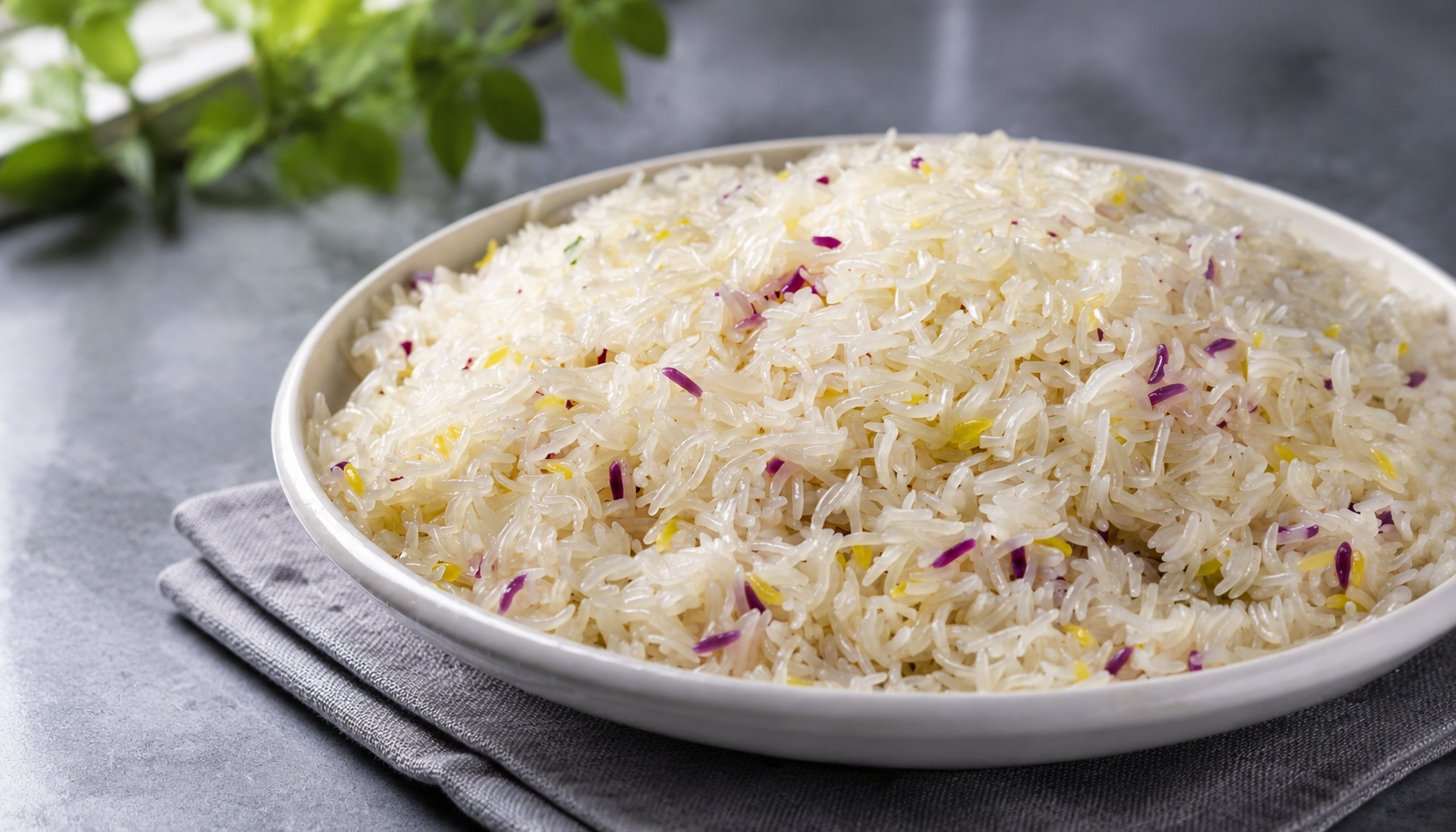
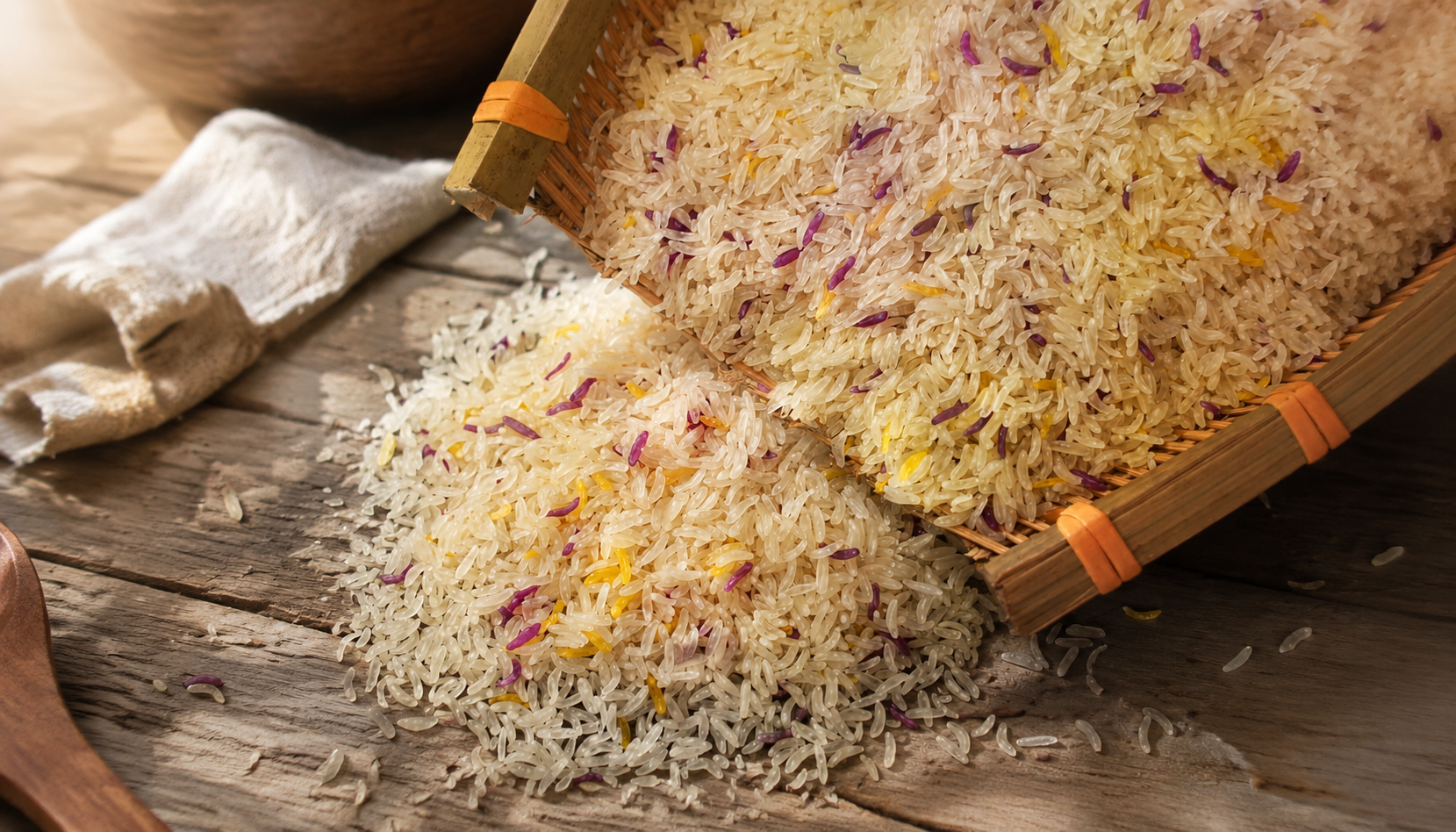
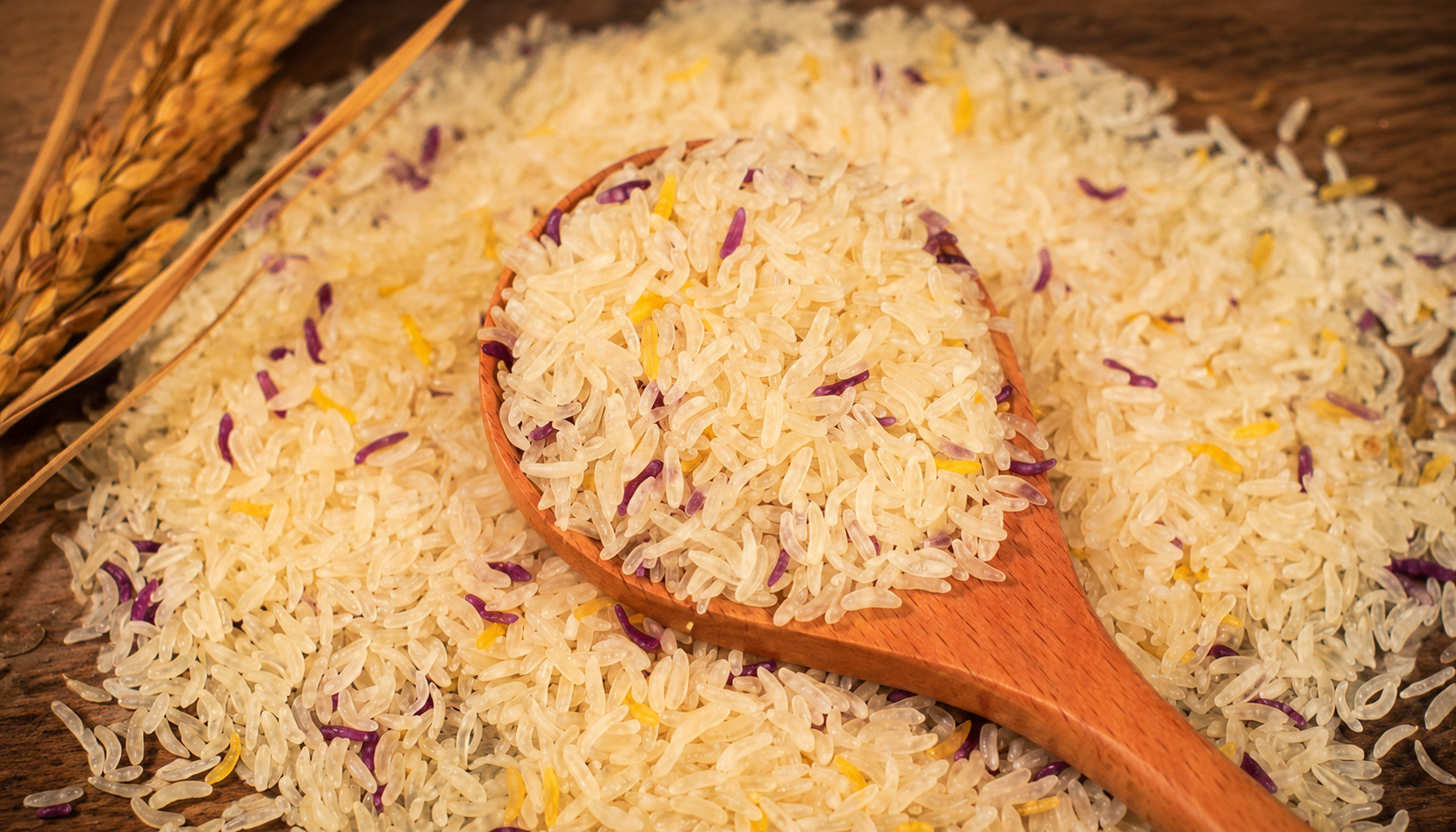
What you need is rice with a higher amylose content, which cooks up drier and firmer, ensuring those coveted separated grains. This is precisely why products like the Niannianfeng Fried Rice Special Rice 5KG Family Pack Non-Stick Grains Separate Restaurant Quality Aromatic Rice exist for larger families, and for singles or dorm dwellers, the Niannianfeng Rice 500g Small Pack Rice for Dormitory Singles, Convenient for First Taste is perfect. Its moderate portion size means less waste, easier storage in tight spaces, and it's specifically milled to deliver that non-stick, fluffy texture ideal for stir-frying. It's designed to give you a head start, making your fried rice journey much smoother.
Why a small pack? For singles and dorm residents, a large bag of rice can go stale before it's finished, or take up precious counter space. The 500g pack ensures freshness with every cook and is incredibly convenient to carry and store. It's an ideal choice for a first taste, allowing you to experience high-quality rice without commitment. Curious about how it stacks up against larger packs? Check out our comparison: Dorm Life or Family Feast: Niannianfeng Rice 500g vs. 5KG Fried Rice Pack Showdown.
Step 1: Prepping Your Rice – The Unsung Hero of Crispy Grains
Even with the right rice, proper preparation is key. This is where many home cooks stumble. The golden rule for fried rice is cold, day-old rice.
Why cold and day-old? Freshly cooked rice is packed with moisture. If you try to stir-fry it immediately, that moisture turns into steam, making your rice mushy and clumpy instead of crispy and separate. Day-old rice, especially after being refrigerated, loses much of its surface moisture, firming up the grains and making them perfect for stir-frying. Each grain can then get a beautiful sear.
How to prep:
1. Cook your Niannianfeng rice as usual, maybe even slightly less water than normal to encourage a firmer texture. For one serving of fried rice (about 1.5 cups cooked rice), use approximately 1 cup of dry Niannianfeng rice.
2. Spread it out. Once cooked, immediately transfer the hot rice to a wide, shallow plate or baking sheet. Don't let it sit clumped in the rice cooker. Spreading it thinly helps the steam escape faster.
3. Cool it down. Let it cool at room temperature for about 30 minutes. Then, cover it lightly with plastic wrap (to prevent it from drying out too much) and refrigerate for at least 4 hours, or ideally overnight. This step is non-negotiable for truly great fried rice. If you're really in a pinch and only have fresh rice, spread it out and pop it in the freezer for 15-20 minutes, stirring occasionally, until it's completely chilled and firm, but not frozen solid.
Step 2: The "Golden Egg" Technique – Coating Every Grain to Perfection
Now for the magic touch: the egg. There are two main schools of thought for egg fried rice: egg first, or egg mixed with rice before frying. For that beautiful golden coating and non-stick texture, I always go for egg first.
Why egg first? When you pour beaten egg into a hot, oiled pan just before adding the rice, the egg cooks rapidly and forms a thin, delicate film. As you add the rice and stir, this film breaks up and clings to each individual grain, creating that iconic golden color and a protective barrier that prevents the rice from sticking together. It also adds incredible flavor and a subtle richness to every bite.
How to do it:
1. Heat your pan/wok to smoking hot. This is crucial for achieving that "wok hei" (breath of the wok) and preventing sticking. A non-stick pan works well for dorm cooking, but a well-seasoned carbon steel wok is ideal. Add 2 tablespoons of cooking oil (vegetable, canola, or peanut oil) and swirl to coat the pan.
2. Scramble the egg. Beat 2 large eggs with a pinch of salt and white pepper. Once the oil is shimmering and just starting to smoke, pour the egg mixture into the pan. Let it set for just 5-7 seconds—you want it mostly liquid but starting to firm up around the edges.
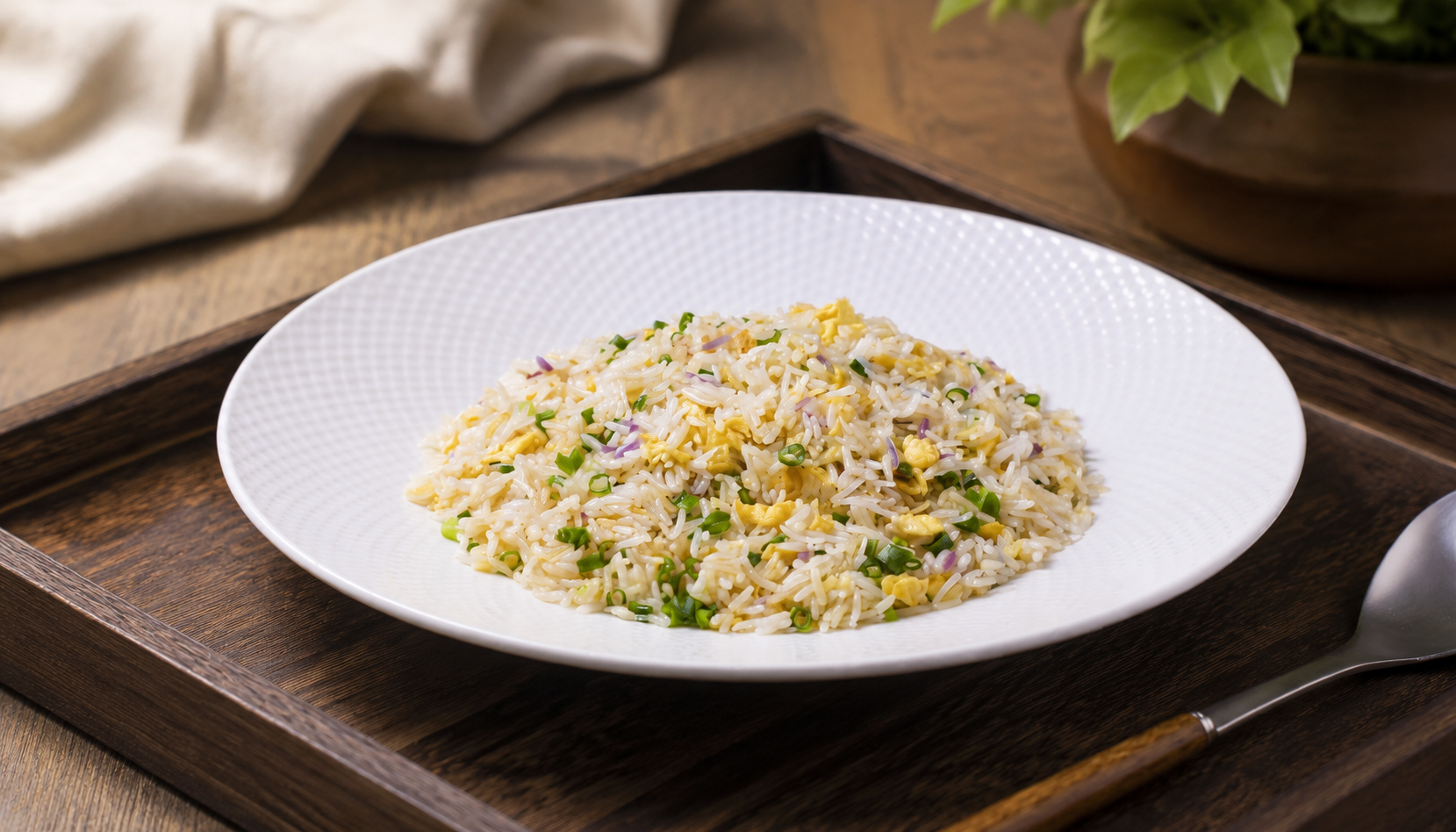
3. Add the rice immediately. Don't let the egg fully cook into an omelet. Dump your cold, prepped Niannianfeng rice directly onto the semi-set egg. Immediately start breaking up the rice with your spatula and tossing it vigorously, incorporating the egg as you go. You'll see the egg transform into tiny golden shards, clinging to the rice grains. This rapid action prevents the egg from overcooking and becoming rubbery.
Step 3: Mastering the Heat – The Wok's Whisper for Crispy Texture
Heat control is the heart of stir-frying. You want high heat to achieve that beautiful caramelization and crisp texture, but not so high that you burn everything.
Why high heat? High heat quickly evaporates any remaining moisture from the rice, preventing it from steaming and becoming soft. It also helps create those slightly crispy, toasted edges on the rice grains, contributing to a fantastic texture. If your heat is too low, the rice will just sit there and get soggy.
How to maintain it:
1. Keep it moving. Use a spatula or wooden spoon to constantly toss and stir the rice. This ensures even cooking and prevents scorching. Spread the rice out, then gather it, press it down slightly, then toss again. You should hear a gentle sizzling sound, not a violent crackle or a silent steam.
2. Medium-high heat throughout. For most home stoves, this means setting your burner to a medium-high flame. Continue stir-frying for 3-4 minutes, until the rice grains are visibly separated, slightly puffed, and some have a light golden-brown char. This is where the magic happens, transforming soft rice into distinct, fragrant grains. For more on achieving this perfect texture, read: Achieve Perfect Fried Rice: Nian Nian Feng Grains Deliver Non-Stick, Fragrant Texture.
Step 4: Seasoning & Add-ins – Crafting Your Flavor Symphony
Once your rice is looking good, it's time to add flavor and any extra ingredients. Keep it simple, especially in a dorm setting.
Why sequence seasonings? Adding salt too early can draw out moisture, while adding soy sauce too soon might burn. We want to build layers of flavor without compromising texture.
How to season:
1. Basic seasoning. After about 2 minutes of stir-frying the rice and egg, add 1/2 teaspoon of fine sea salt and a pinch of white pepper. Toss well to distribute. Salt helps to season the rice from within.
2. Add-ins (optional, but encouraged!). If you're adding vegetables like frozen peas, diced carrots, or corn, add them now. For pre-cooked meats like diced ham or leftover chicken, add them after the veggies have softened slightly. Stir-fry for another 1-2 minutes until everything is heated through.
3. Soy sauce last. Drizzle 1 tablespoon of light soy sauce around the edges of the pan, not directly onto the rice. Why around the edges? The hot pan caramelizes the soy sauce slightly, developing a deeper, more aromatic flavor before it mixes with the rice. Toss quickly for another 30 seconds to evenly coat everything and infuse that savory umami. For larger batches or if you're cooking for a group, remember that Nian Nian Feng Tri-color Fried Rice 10kg offers a convenient solution.
Common Pitfall: Overcrowding the Pan – The Enemy of Crispiness
This is a huge one, especially for beginners trying to make a big batch. You've got a small pan, and you're trying to fit three servings of rice in it. Disaster awaits!
Why it's bad: Overcrowding significantly drops the pan's temperature. Instead of stir-frying, you're essentially steaming your ingredients. This leads to soggy rice, limp vegetables, and a distinct lack of that desirable crisp texture and "wok hei." The moisture released by too many ingredients can't evaporate fast enough.
The solution: Always cook in batches if you're making more than one or two servings. For a standard 26cm non-stick frying pan, limit yourself to about 1.5 cups of cooked rice per batch. It takes a little longer, but the quality difference is immense. Your Niannianfeng 500g pack is perfect for single servings, making overcrowding less of an issue.
Finishing Touches & Serving
Give your fried rice one last vigorous toss. Taste it and adjust seasoning if needed – maybe another tiny splash of soy sauce or a pinch of salt. Turn off the heat.
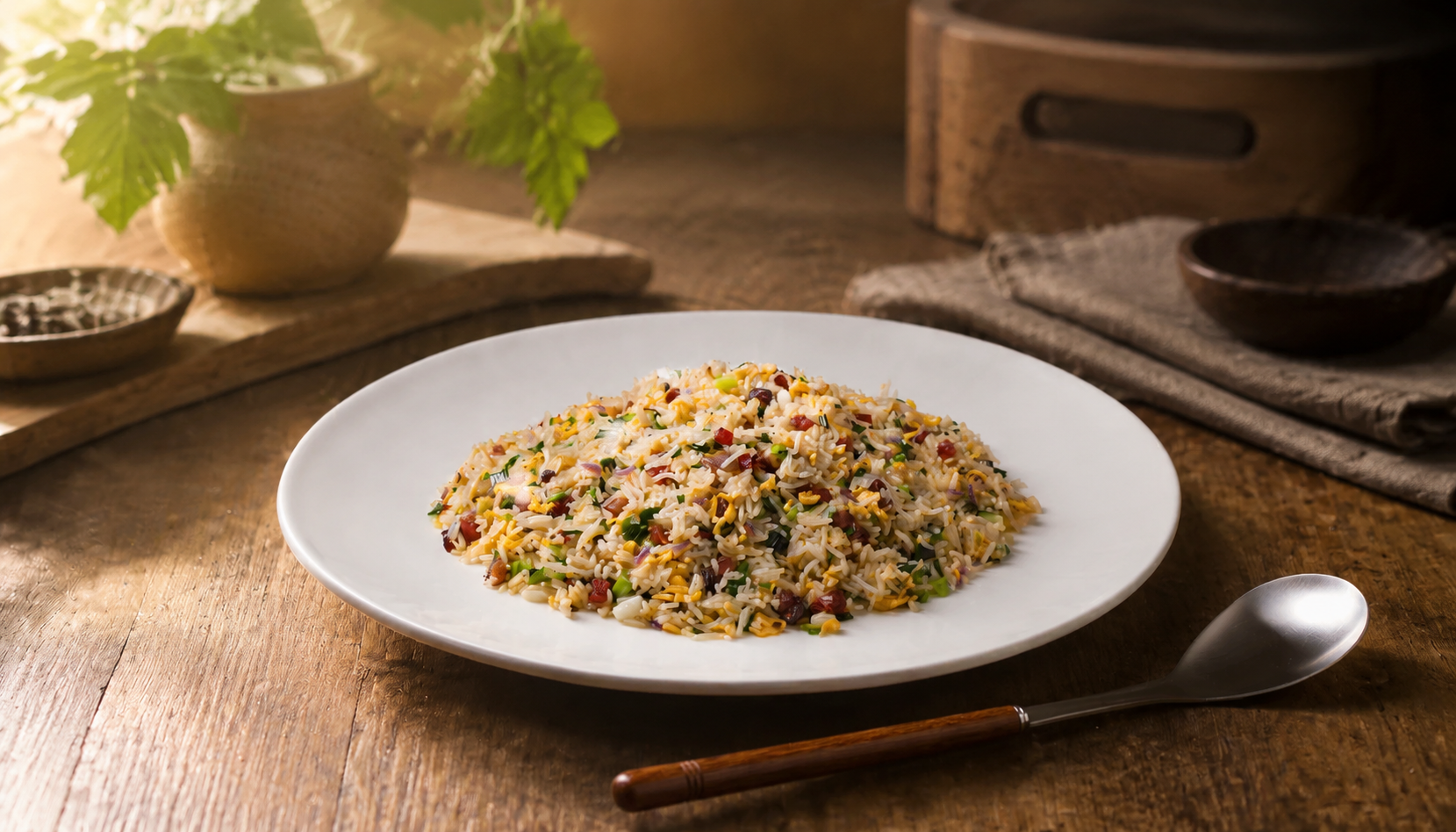
The result: You should see golden-brown rice grains, each distinct and separate. The aroma should be a mix of toasted rice, savory egg, and whatever delicious add-ins you chose. When you take a bite, you'll experience a delightful texture—a slight crispness on the outside, a soft chewiness within, with the rich flavors of egg and soy sauce mingling perfectly. It's a world away from that sticky, sad clump.
Serve it hot, straight from the pan. For an extra kick next time, try adding a drizzle of chili oil or a spoonful of XO sauce at the very end. Enjoy your dorm-made, restaurant-quality fried rice!
---
FAQ: Your Fried Rice Questions Answered
Q: Can I use freshly cooked rice if I don't have day-old rice?
A: While day-old rice is ideal for its reduced moisture, you can use freshly cooked rice in a pinch. The trick is to spread it out on a baking sheet or wide plate immediately after cooking, let it cool at room temperature for about 15-20 minutes, then pop it into the freezer for another 15-20 minutes, stirring occasionally, until it's completely chilled and firm but not frozen solid. This rapid cooling helps to dry out the surface of the grains, mimicking the effect of day-old rice and preventing stickiness.
Q: What kind of pan is best for making fried rice in a dorm?
A: For dorm cooking, a good quality non-stick frying pan (around 26-28cm diameter) is usually the most practical choice due to limited equipment and ease of cleaning. If you have access to a stronger stovetop and want to invest, a well-seasoned carbon steel wok is excellent for achieving higher heat and better 'wok hei' (smoky flavor). The key is to get your pan smoking hot before adding oil and ingredients, regardless of the pan type, to prevent sticking and encourage crisping.
Q: How do I prevent my fried rice from being too greasy?
A: Greasy fried rice usually comes from using too much oil or not enough heat. Start with 1.5 to 2 tablespoons of oil for a single serving of rice; this is usually sufficient to coat the pan and ingredients. Ensure your pan is smoking hot before adding the oil, and maintain medium-high heat throughout the stir-frying process. The high heat helps to cook off excess oil and moisture, leaving you with distinct, non-greasy grains. Also, avoid overcrowding the pan, as this lowers the temperature and can lead to oil pooling.
Q: What are some easy, dorm-friendly additions I can put in my fried rice?
A: For dorms, convenience is key! Frozen mixed vegetables (peas, carrots, corn) are fantastic as they require no chopping and cook quickly. Diced ham, pre-cooked sausages, or leftover rotisserie chicken are great protein options. Canned tuna (drained) can also work for a quick, savory boost. For flavor, keep some garlic powder, onion powder, and a dash of sesame oil on hand. A few chopped scallions at the end add freshness and color.
Q: Is Niannianfeng Rice 500g suitable for other dishes besides fried rice?
A: Absolutely! While the Niannianfeng Rice 500g Small Pack is ideal for fried rice due to its non-stick grain separation, its high quality and convenient portion size make it versatile for many other dishes. You can use it as a base for quick weeknight meals, in rice bowls with various toppings, or even for simple steamed rice to accompany stir-fries or curries. Its consistent texture and fresh taste mean it's a reliable staple for any single or dorm resident looking for convenient, delicious rice options.
Q: My fried rice always sticks to the pan. What am I doing wrong?
A: Pan sticking is a common issue! It's usually due to a combination of factors: 1) The pan wasn't hot enough before adding ingredients. Always preheat your pan until it's smoking before adding oil. 2) Not enough oil, or oil not properly distributed. Swirl the oil to coat the entire cooking surface. 3) Rice that's too moist. Ensure you're using cold, day-old rice (or properly chilled fresh rice) to minimize moisture. 4) Overcrowding the pan, which lowers the temperature and promotes sticking. Stick to single servings in a standard pan. Using a non-stick pan or a well-seasoned wok also helps significantly.