News & Information
Home > News > Article Detail
Ever wonder why your homemade fried rice never quite hits that restaurant-quality mark? You've followed countless recipes, tried different woks, yet your fried rice still ends up a sticky, clumpy mess. Don't throw in the towel just yet! The secret to achieving truly separate, non-sticky grains, that hallmark of great fried rice, often lies not in your technique, but in the very foundation of the dish: the rice itself. Today, we're diving deep into how a specially formulated rice like Nian Nian Feng Rice for Fried Rice 0.5kg can transform your fried rice from frustrating to fantastic, ensuring you get those coveted 粒粒分明不粘锅 (separate, non-sticky grains) every single time.
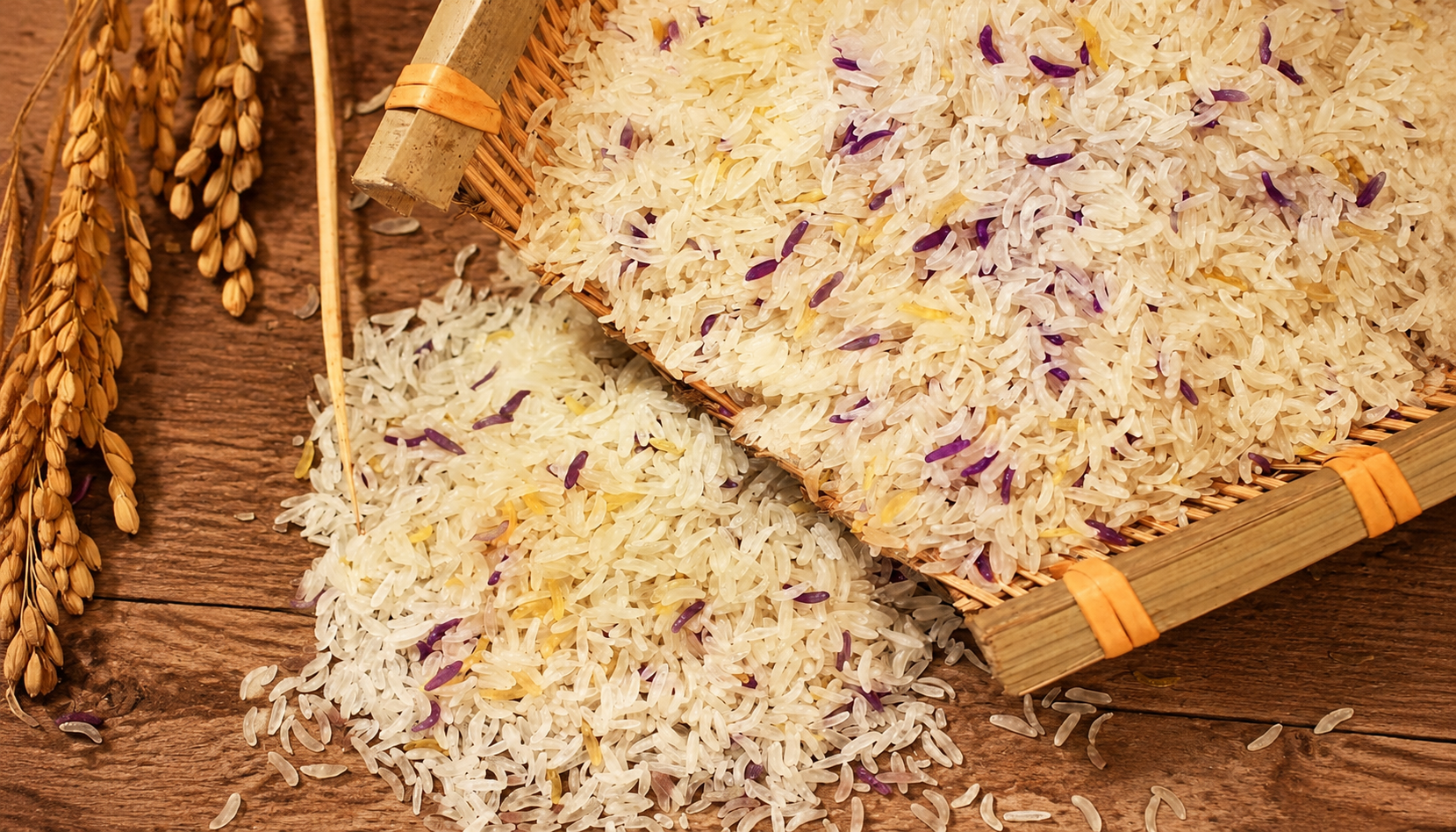
Before we talk about solutions, let's understand the problem. Most everyday rice varieties, especially common short-grain or medium-grain types, are rich in a starch called amylopectin. When cooked, amylopectin molecules swell and break down, releasing a sticky gel that binds rice grains together. This is fantastic for sushi, risottos, or just a comforting bowl of steamed rice, but it's the arch-nemesis of fried rice.
For fried rice, what you need is rice with a higher content of amylose, the other main type of starch. Amylose chains are longer and more linear; they don't break down and gel as readily. This means when cooked, grains with higher amylose content remain firmer, drier, and more separate, making them ideal for the high-heat, quick-stirring action of a wok. This is precisely where a 优质短粒大米0.5kg like Nian Nian Feng Rice for Fried Rice shines.
This isn't just any rice; Nian Nian Feng Rice for Fried Rice 0.5kg is specifically engineered for this purpose. Its unique blend ensures a higher amylose content, which translates directly into grains that resist clumping. The 0.5kg pack is perfect for those living in dorms, single households, or anyone just wanting to try it out without committing to a larger bag. It's your first step towards truly restaurant-quality fried rice at home. For those who fall in love with it (and trust me, you will), larger packs like the Niannianfeng Fried Rice Special Rice 5KG Family Pack Non-Stick Grains Separate Restaurant Quality Aromatic Rice or even Nian Nian Feng Tri-color Fried Rice 10kg are available for the truly devoted fried rice enthusiast.
Getting the rice right before it even hits the wok is half the battle. Here's how to prepare your Nian Nian Feng Rice for optimal results:
#### 1. Rinsing (Quick, Not Overdone)
* How to do it: Place your measured Niannianfeng Rice 500g Small Pack Rice for Dormitory Singles, Convenient for First Taste in a fine-mesh sieve or bowl. Rinse under cold running water, gently stirring with your hand, about 2-3 times until the water runs mostly clear.
* Why it matters: This removes excess surface starch, which can still contribute to stickiness even in a high-amylose rice. However, don't over-rinse; you don't want to wash away all the delicate aromas or nutrients.
#### 2. The Crucial Water Ratio (Less is More)
* How to do it: For Nian Nian Feng Rice for Fried Rice, the ideal rice-to-water ratio is typically 1 cup of rice to 1.1 cups of water. This is slightly less water than you'd use for regular steamed rice. If you're using a rice cooker, measure precisely with its included cup and water lines.
* Why it matters: Using less water results in firmer, drier rice grains that are less prone to breaking apart or becoming mushy during stir-frying. This is a critical factor for achieving that desired "separate grains" texture. Too much water, and even the best fried rice rice will struggle.
#### 3. Cooking Method (Rice Cooker or Pot)
* How to do it: You can use a rice cooker for convenience or a heavy-bottomed pot on the stove. For a rice cooker, simply follow its "white rice" setting. For a pot, bring the rice and water to a boil, then reduce heat to the lowest setting, cover tightly, and simmer for about 15-18 minutes.
* Why it matters: Consistent, even cooking ensures each grain is fully cooked but not overcooked. The resting period (next step) is just as important as the cooking itself.
#### 4. The Essential Resting and Cooling Phase (Your Secret Weapon)
* How to do it: Once cooked, let the rice rest, covered, for 10 minutes off the heat. Then, immediately transfer the hot rice to a large, shallow baking sheet or tray. Spread it out thinly with a spatula. Allow it to cool completely at room temperature for at least 1 hour, then refrigerate for a minimum of 4 hours, ideally overnight.
* Why it matters: This is arguably the most critical step for perfect fried rice. Resting allows the steam to redistribute, firming up the grains. Spreading it out quickly helps it cool faster, preventing it from continuing to cook and getting mushy. Refrigeration further dries out the surface of the rice, making it less likely to stick and more receptive to absorbing flavors during stir-frying. Cold rice also holds its shape better under high heat. If you want to dive deeper into this, check out our article: Unlock Non-Sticky Fried Rice: The Secret to Separate Grains with Nian Nian Feng 0.5kg Rice.
Now that your Nian Nian Feng rice is perfectly prepared, let's get it into the wok. This is where the magic happens, and a few key techniques will ensure success.
#### 1. Heat the Wok (Screaming Hot)
* How to do it: Place your wok or large skillet over high heat. Let it heat up until it's smoking slightly, about 30-60 seconds after you see the first wisps of smoke.
* Why it matters: A screaming hot wok is essential for achieving "wok hei" (the smoky, charred flavor) and preventing sticking. It creates a super-hot surface that instantly sears the ingredients, rather than steaming them. This is a common point discussed in articles like Mastering Fluffy, Non-Sticky Fried Rice: Why Your 0.5kg Rice Choice is Key to Perfect Grains.
#### 2. Add Oil (Hot Wok, Cold Oil)
* How to do it: Pour in about 2 tablespoons of high-smoke-point oil (like canola, grapeseed, or peanut oil). Swirl it around to coat the bottom and sides of the wok. It should shimmer almost instantly.
* Why it matters: Adding cold oil to a hot wok creates a non-stick surface. The oil quickly heats up and forms a barrier, preventing food from adhering to the metal.
#### 3. Scramble Eggs (Fluffy & Gold)
* How to do it: Crack 2-3 eggs directly into the hot oil. Let them cook undisturbed for about 10-15 seconds until the edges start to set, then gently scramble them until they are just cooked through but still moist and fluffy. Push them to one side of the wok.
* Why it matters: Cooking the eggs quickly and gently ensures they remain tender and don't become rubbery. Pushing them aside makes room for the rice and allows the eggs to finish cooking gently with residual heat, ready to be mixed in later.
#### 4. Add the Rice (Break It Up)
* How to do it: Add your cold, separated Nian Nian Feng rice to the empty side of the wok. Use the back of your spatula to gently break up any remaining clumps.
* Why it matters: Cold rice prevents steaming. Breaking up clumps ensures even heating and seasoning, allowing each grain to cook individually and absorb flavor.
#### 5. Stir-Fry & Season (Quick & Even)
* How to do it: Continuously stir-fry the rice and eggs together over medium-high to high heat for about 2-3 minutes. Add your seasonings: start with 1/2 teaspoon of salt and 1 tablespoon of light soy sauce. Continue to stir-fry vigorously for another 1-2 minutes, ensuring everything is well combined and heated through.
* Why it matters: Constant movement prevents sticking and encourages even browning (Maillard reaction), which adds depth of flavor. High heat helps evaporate any moisture, keeping the rice dry and separate, while allowing the seasonings to penetrate.
This is the cardinal sin of fried rice, and it's a trap many fall into. You've just cooked a fresh batch of Nian Nian Feng rice, and it smells amazing. Why not use it immediately? Because freshly cooked, warm rice is packed with moisture. When you throw it into a hot wok, that moisture turns to steam, effectively steaming your rice rather than frying it. The result? A sticky, mushy, clumpy mess that tastes more like rice porridge than fried rice.
The Solution: Always, always use cold, day-old rice, or at the very least, rice that has been cooked specifically for fried rice with reduced water and then thoroughly cooled and dried out in the refrigerator for several hours. This single step will dramatically improve your fried rice texture, no matter what kind of rice you're using, but especially with a dedicated 炒饭米专用 like Nian Nian Feng.
When your fried rice is ready, it should gleam with a golden-yellow hue, each grain distinct and slightly toasted. As you scoop it, the rice should fall freely from the spatula, producing a satisfying rustle rather than a sticky thud. Bring it closer, and you'll catch the savory aroma of soy and egg, mingling with a faint, smoky perfume from the wok. Bite into it, and you'll find the exterior of each grain offers a subtle chewiness, while the interior remains soft and tender. The flavors burst on your tongue – umami from the soy, the richness of the egg, and the pure, clean taste of the perfectly cooked rice. It's a symphony of textures and tastes that only truly 粒粒分明不粘锅 fried rice can deliver.
For an added twist, sprinkle with some freshly chopped scallions or a dash of white pepper just before serving. Next time, try adding a tablespoon of XO sauce or a few drops of sesame oil at the very end for an extra layer of complexity.
Q: Can I use regular rice if I don't have Nian Nian Feng Rice for Fried Rice?
A: While Nian Nian Feng is optimized for fried rice, you can use regular long-grain white rice (like Jasmine or Basmati) as a substitute. The key is to reduce the water by about 10-15% when cooking it, then spread it out immediately after cooking to cool completely and refrigerate it overnight. This extra drying step is crucial to mitigate stickiness, though the final texture may still not be as perfectly separate as with a dedicated fried rice grain.
Q: What's the best type of pan or wok to use for fried rice?
A: A carbon steel wok is ideal due to its high heat retention and ability to distribute heat evenly, contributing to "wok hei." If you don't have a wok, a large, heavy-bottomed cast iron skillet or a stainless steel pan will also work well. The most important factor is that the pan can get very hot and handle high heat without warping, allowing for quick, efficient stir-frying. Avoid non-stick pans if you want to achieve true wok hei, as their coatings can degrade at the high temperatures needed.
Q: How do I prevent my fried rice from getting soggy?
A: Soggy fried rice is usually caused by too much moisture. The main culprits are using freshly cooked rice, overcrowding the wok, or not using high enough heat. Always use cold, dried-out rice. Cook in batches if your wok isn't large enough to accommodate all ingredients in a single layer. Ensure your wok is screaming hot before adding ingredients, and keep the ingredients moving constantly to allow moisture to evaporate quickly.
Q: Can I add vegetables or meat to my fried rice? When should I add them?
A: Absolutely! Fried rice is incredibly versatile. For vegetables like diced carrots, peas, or corn, add them after the eggs and before the rice, stir-frying until tender-crisp. If using quick-cooking proteins like shrimp or thinly sliced chicken, stir-fry them first until just cooked, then remove them from the wok, proceed with eggs and rice, and add the protein back in at the very end to reheat. This prevents overcooking and keeps them tender.
Q: What if my rice is still a bit clumpy even after following all the steps?
A: If your rice is still clumpy, double-check your initial water ratio – perhaps you used slightly too much. Also, ensure your cooling and refrigeration step was long enough to properly dry out the grains. When stir-frying, use the back of your spatula to actively break up clumps against the side of the wok. Don't be afraid to be a bit aggressive! Practicing with a 优质短粒大米0.5kg like Nian Nian Feng will make this process much easier as it naturally resists clumping.