News & Information
Home > News > Article Detail
Five o'clock in the morning, the city is still asleep, but in Mrs. Lee's small kitchen, the first faint aroma of ginger and garlic already dances in the air. For thirty years, her tiny noodle stall has been a beacon for early risers, and her fried rice, a simple comfort, is legendary. She swears by one rule: "The rice makes the dish. If your grains stick, your heart sinks." This morning, as she measures out the Niannianfeng Fried Rice Special Rice 5KG Family Pack Non-Stick Grains Separate Restaurant Quality Aromatic Rice, each plump, translucent grain promises a perfect canvas for her craft.
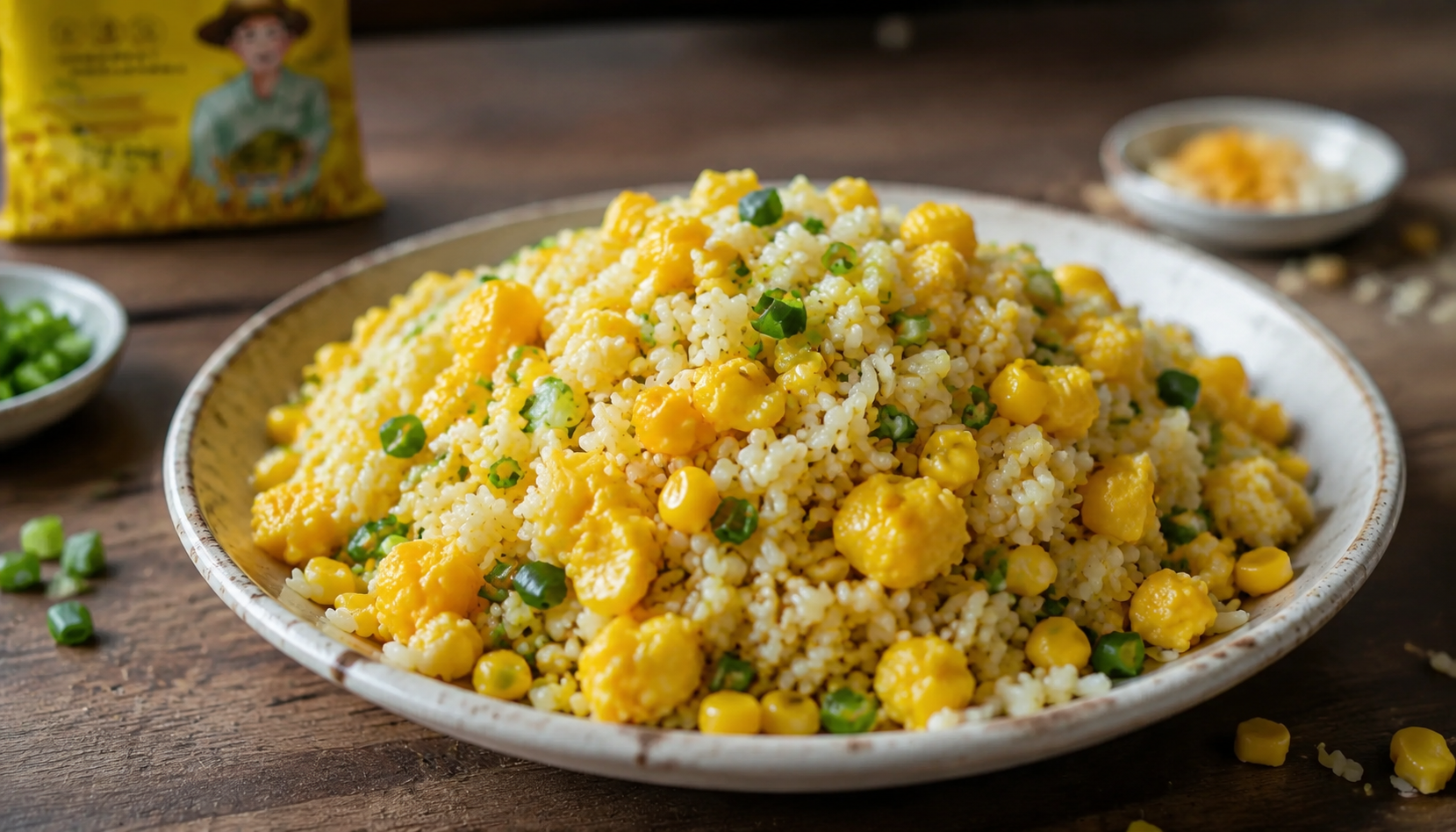
Walk into any bustling hawker center in Singapore or a Cantonese dim sum restaurant in Guangzhou, and you'll find a common thread in their fried rice: each grain stands alone, glistening, coated in flavor but never clumped. This isn't accidental; it's the result of centuries of culinary refinement, a silent pact between cook and grain. The ideal fried rice grain offers a gentle resistance, a satisfying chew that makes every mouthful a discovery. It’s the antithesis of the mushy, sticky rice that often frustrates home cooks.
In Canton, a good plate of "Gold and Silver" fried rice demands rice grains that shimmer like separate pearls, each coated, but never clumpy. The wok hei—that elusive 'breath of the wok'—clings to individual grains, delivering a complex smoky aroma with every bite. The rice is typically long-grain indica, often cooked the day before, left to dry slightly in the refrigerator. This allows the starch molecules to firm up, preventing stickiness.
Across the South China Sea, in the bustling street food alleys of Kuala Lumpur, the Nasi Goreng takes a different turn. While still preferring individual grains, there's a certain 'give' to the rice, a slight chewiness that absorbs the rich sambal paste and sweet soy sauce. It’s a texture that speaks of absorption, of the rice becoming a part of the sauce, rather than merely coated by it. Here, the choice of long-grain rice with just the right balance of amylose and amylopectin is crucial. This is where why-your-fried-rice-sticks-the-niannianfeng-secret-mp744afq1 delves into the science behind this often-overlooked detail, revealing how a grain's internal structure dictates its destiny in the wok.
Niannianfeng, a name that has resonated in rice circles since 1992, has dedicated three decades to understanding this delicate balance. They didn't just pick any long-grain indica; they sought out varieties with a specific amylose content—the starch responsible for that coveted 'separate grain' texture. When cooked, these grains don't swell excessively or release too much surface starch. Instead, they hold their form, firm to the touch, ready to absorb flavor without becoming a soggy mess.
The journey of Niannianfeng Fried Rice Special Rice 5KG Family Pack Non-Stick Grains Separate Restaurant Quality Aromatic Rice begins in carefully selected paddies. Through multiple screenings and quality inspections, only the plumpest, most translucent grains make the cut. But the real magic lies in their unique processing technique. This isn't just about polishing; it’s about subtly altering the grain's surface and internal structure to optimize it for high-heat cooking. The result is a rice that, when cooked, maintains its integrity, offering a distinct, chewy, and resilient texture that can withstand the vigorous tossing of a wok without breaking or clumping.
Imagine the scene: a hot wok, a whisper of oil, and then the hiss as the day-old Niannianfeng rice hits the searing surface. The clatter of the spatula against the metal, a rhythmic dance as the grains tumble and separate, each one catching the light. You can almost smell the subtle, nutty aroma of the toasted rice mixing with the fragrance of garlic, ginger, and soy sauce. Visually, the grains transform, taking on a golden hue, each one a miniature canvas for the vibrant colors of peas, carrots, and scrambled egg. When you finally take that first bite, there’s a satisfying crunch from the slight char, followed by the delicate resistance of each distinct grain, releasing a burst of savory richness. It's a symphony of senses, orchestrated by the rice itself.
This isn't just about avoiding stickiness; it's about elevating the entire experience. A plate of fried rice made with Niannianfeng rice feels lighter, cleaner on the palate. The flavors of the other ingredients—the succulent shrimp, the tender chicken, the crisp vegetables—are highlighted, not masked by a heavy, starchy texture. It allows the individual elements to shine, creating a more balanced and enjoyable meal.
For those taking their first culinary steps, perhaps in a dorm room or a small apartment, the idea of perfecting fried rice can seem daunting. That's where the Niannianfeng Rice 500g Small Pack Rice for Dormitory Singles, Convenient for First Taste steps in. It offers the same restaurant-quality promise in a convenient size, removing the guesswork and letting new cooks experience the joy of truly separate grains. The smaller pack ensures freshness and minimizes waste, making it an ideal entry point for anyone curious about the Niannianfeng difference.
And for the bustling commercial kitchen, or the large family gathering, where consistency and volume are key, the Nian Nian Feng Tri-color Fried Rice 10kg provides a robust solution. This larger format ensures that every batch, whether for a hundred covers or a hungry household, meets the same high standard of texture and aroma. Restaurants rely on this consistency to maintain their reputation, knowing that each plate of fried rice will deliver the expected quality, day in and day out.
The story of Niannianfeng is not just about rice; it’s about a commitment to a culinary ideal. It’s about understanding that the seemingly simple act of cooking rice for fried rice is, in fact, a nuanced art form. From the farmers who tend the paddies to the engineers who refine the processing techniques, there’s a collective dedication to ensuring that every grain lives up to its promise. This dedication reflects a broader cultural appreciation for the foundational role rice plays in Asian cuisines—not just as a filler, but as the very heart of the meal.
Back in Mrs. Lee’s kitchen, the sun is now streaming through the window. Her first batch of fried rice, fragrant and glistening, is served. The elderly gentleman at the counter takes a spoonful, a small smile playing on his lips. It’s not just the taste of the soy sauce or the perfectly cooked shrimp; it's the texture of each grain, distinct yet tender, that brings him back to memories of his grandmother's cooking. It's the quiet assurance that some things, like a perfectly made bowl of fried rice, can still be counted on to deliver simple, unadorned pleasure. And sometimes, that’s all we need.
This is the enduring legacy of a grain, carefully cultivated and thoughtfully processed: the ability to transform a simple meal into a moment of pure, unadorned satisfaction, connecting generations and cultures through the humble yet profound joy of perfectly cooked fried rice.