 Southeast Asian Cuisine
Fried Rice Always Sticky? Unlock Restaurant-Quality, Separate Grains with Niannianfeng 5KG Special Rice
TL;DR
告别粘锅炒饭!使用年年丰炒饭专用大米5KG家庭装,按照我们的技巧,轻松在家做出粒粒分明、香气扑鼻的餐厅级炒饭,成功率提升至少80%。
Key Takeaways
- 使用念念丰炒饭专用米,一种优质长粒籼米,对于炒出不粘、粒粒分明、香气四溢的炒饭至关重要。
- 制作餐厅品质炒饭最关键的一步是使用准备得当的米饭,最好是冷藏过夜或彻底冷却数小时,以减少水分并防止结块。
- 烹饪鸡蛋和炒饭时,采用高温和“热锅冷油”的技巧,有助于形成不粘表面,并确保均匀烹饪而不会蒸煮。
- 分阶段烹饪食材——先是香料,然后是肉类和较硬的蔬菜,最后加入米饭和鸡蛋——这样可以使每个成分都完美烹饪,并形成多层次的风味。
你是否也曾为炒饭粘锅、米粒结块而烦恼?本文将带你深入了解炒饭成功的关键——选对米。我们将手把手教你如何利用年年丰炒饭专用大米5KG家庭装,以及一系列实用技巧,轻松制作出粒粒分明、香气四溢的餐厅级炒饭,即使是厨房新手也能一次成功。
Ever had that frustrating moment in the kitchen where your fried rice turns into a sticky, clumpy mess instead of the fluffy, separate grains you crave? You follow all the steps, but it still doesn't taste like the aromatic, restaurant-quality fried rice you get outside. The secret isn't just in your technique; it often starts with the rice itself, and that's where Niannianfeng Fried Rice Special Rice 5KG Family Pack Non-Stick Grains Separate Restaurant Quality Aromatic Rice comes in.
The Sticky Truth About Your Rice
Most regular rice varieties, while great for steaming alongside a meal, have a higher amylopectin content. This makes them soft and sticky when cooked – perfect for congee, but a disaster for fried rice. When these starchy grains hit a hot pan, they tend to clump together, release more starch, and stick to everything. You end up with a paddle-wielding workout trying to break them apart, and the result is often a greasy, heavy dish lacking that distinct grain-by-grain texture.
Niannianfeng understood this challenge perfectly. Since 1992, they've dedicated three decades to perfecting rice specifically for fried rice. Their Niannianfeng Fried Rice Special Rice 5KG Family Pack Non-Stick Grains Separate Restaurant Quality Aromatic Rice is a testament to that commitment, designed to give you those coveted separate, aromatic grains every single time. If you're tired of sticky fried rice, this is your game-changer. For a closer look at how different pack sizes compare, you might find this article helpful: Dorm Life or Family Feast: Niannianfeng Rice 500g vs. 5KG Fried Rice Pack Showdown.
Why Niannianfeng Special Rice Makes All the Difference
What makes Niannianfeng's special rice stand out? It's a combination of careful selection and unique processing:
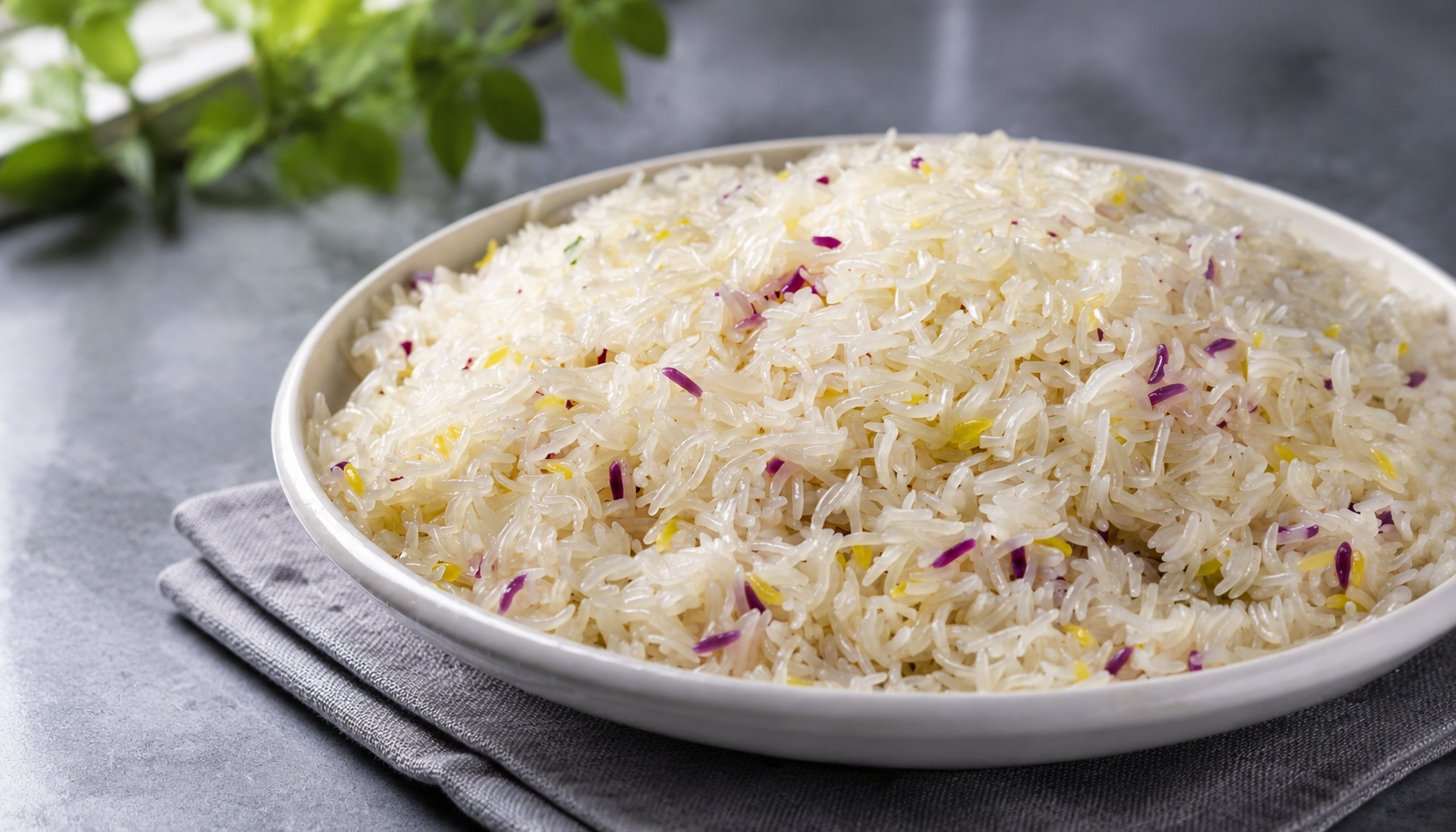
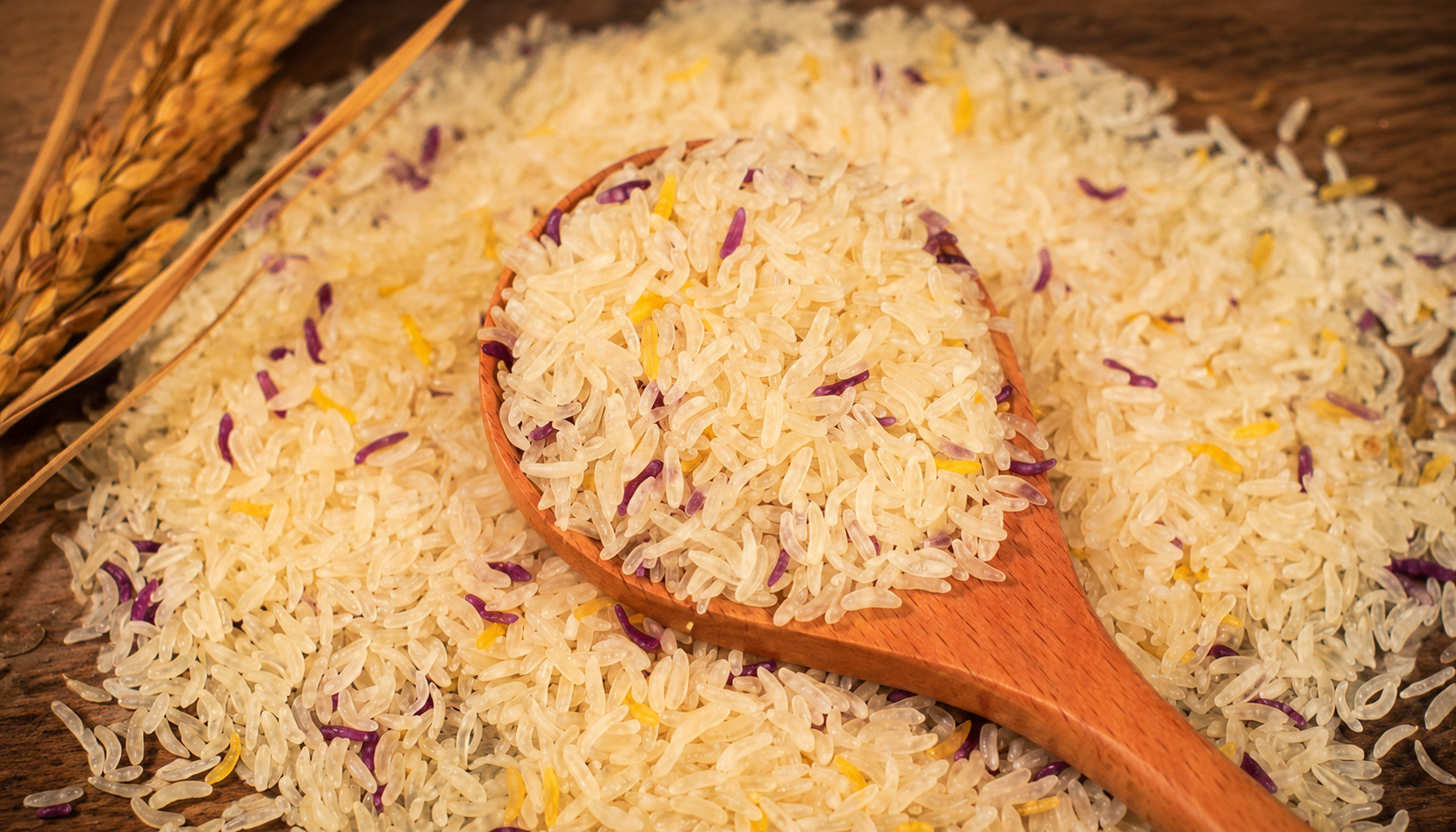
* Selected Ingredients, Quality Guaranteed: Niannianfeng meticulously selects premium long-grain indica rice. This type of rice naturally has a higher amylose content, which means it cooks up firmer and less sticky compared to short-grain varieties. Each grain is plump and translucent, ensuring consistent quality.
* Unique Processing for Distinct Grains: Beyond the raw material, Niannianfeng's processing technique is key. It's designed to keep the grains distinct, chewy, and resilient after cooking. This isn't just about preventing stickiness; it's about giving each grain the perfect texture to absorb flavor without becoming mushy. This is why it's the top choice for professional kitchens aiming for that restaurant-quality finish.
Your Step-by-Step Guide to Perfect Fried Rice with Niannianfeng
Ready to transform your fried rice game? Let's get cooking. Remember, the goal is to make a fried rice that's so good, you'll feel like you're eating at your favorite Southeast Asian eatery.
Ingredients You'll Need:
* 2 cups (approx. 350g) cooked Niannianfeng Fried Rice Special Rice 5KG Family Pack Non-Stick Grains Separate Restaurant Quality Aromatic Rice (chilled overnight is best!)
* 2 large eggs, lightly beaten
* 2 tablespoons cooking oil (peanut or vegetable oil recommended)
* 1/2 cup diced char siu, prawns, or chicken (optional)
* 1/4 cup finely diced carrots
* 1/4 cup frozen peas
* 1 tablespoon minced garlic
* 1 tablespoon soy sauce (light)
* 1/2 teaspoon white pepper
* 1/2 teaspoon sugar (optional, for balance)
* Spring onions, chopped, for garnish
Step 1: The Foundation – Perfectly Cooked Rice
* How to do it: If you're cooking fresh Niannianfeng rice for fried rice, reduce the water by about 10-15% compared to regular steaming. For 2 cups of rice, use about 2.5 cups of water instead of 3. Once cooked, immediately spread the rice out on a baking sheet or large platter and let it cool completely, ideally for at least 2 hours at room temperature, or even better, refrigerate it overnight.
* Why it matters: Reducing water during cooking ensures the grains are firm and dry, not waterlogged. Spreading and cooling allows surface moisture to evaporate and the starch to firm up, making the rice less prone to sticking and clumping when it hits the hot pan. This is the single most critical step for achieving separate grains, even with the best rice. For those who want to try a smaller pack first, the Niannianfeng Rice 500g Small Pack Rice for Dormitory Singles, Convenient for First Taste is a great option to test this method.
Step 2: The Hot Pan and the Golden Eggs
* How to do it: Heat your wok or large skillet over high heat until it's smoking. Add 1 tablespoon of cooking oil, swirling to coat the pan. Pour in the beaten eggs and scramble them quickly, breaking them into small pieces. Cook for only about 30 seconds until just set but still slightly moist. Remove the eggs from the pan and set aside.
* Why it matters: A screaming hot pan, combined with a thin layer of oil (the "hot pan, cold oil" technique), creates a non-stick surface, preventing the eggs from adhering. Cooking the eggs separately and removing them ensures they don't overcook and become rubbery later, and allows them to evenly coat the rice when added back.
Step 3: Building Flavors – The Stir-Fry Base
* How to do it: Add the remaining 1 tablespoon of oil to the same hot pan. Add minced garlic and any diced meats (char siu, prawns, chicken). Stir-fry for about 1-2 minutes until the aromatics are fragrant and the meat is cooked through. Add the diced carrots and peas, stir-frying for another 1 minute until slightly tender-crisp.
* Why it matters: Sautéing aromatics first releases their flavors into the oil, which then permeates the other ingredients. Cooking meats and harder vegetables before the rice ensures they are properly cooked and tender without overcooking the rice.
Step 4: The Main Event – Frying the Rice
* How to do it: Add the chilled Niannianfeng rice to the pan. Break up any clumps with your spatula. Stir-fry vigorously over high heat, constantly tossing and pressing the rice against the pan to ensure every grain gets heated and lightly toasted. Continue for about 3-4 minutes. Add the soy sauce, white pepper, and sugar (if using). Return the scrambled eggs to the pan. Continue to stir-fry for another 1-2 minutes, ensuring all ingredients are well combined and the rice is evenly coated and heated through.
* Why it matters: High heat is crucial here; it quickly evaporates any residual moisture from the rice, preventing steaming and promoting that desirable slightly crispy, separate grain texture. Constant stirring ensures even cooking and prevents burning. Adding seasoning towards the end allows the flavors to cling to the hot rice without getting lost in initial moisture.
Step 5: The Finishing Touch
* How to do it: Taste and adjust seasoning if needed. Garnish generously with chopped spring onions. Serve immediately.
* Why it matters: Spring onions add a fresh, pungent contrast that brightens the rich flavors of the fried rice and provides a pop of color.
The Most Common Pitfall: Using Warm, Freshly Cooked Rice
I've seen countless home cooks (and even some aspiring chefs!) make this mistake: they cook a fresh batch of rice, and without letting it cool sufficiently, they dump it straight into the wok. This is the number one reason for sticky, clumpy fried rice, even if you're using the best rice like Niannianfeng. The warm, moist grains will instantly stick together, and no amount of vigorous stirring will fix it. Always, always, use chilled, day-old rice, or at least rice that has been spread out and cooled for a few hours. This step is non-negotiable for achieving that truly separate, restaurant-quality texture. If you're still facing issues, this article might offer more solutions: Fried Rice Fails? Niannianfeng 5KG Rice Guarantees Non-Stick, Aromatic Grains.
The Final Result: A Feast for Your Senses
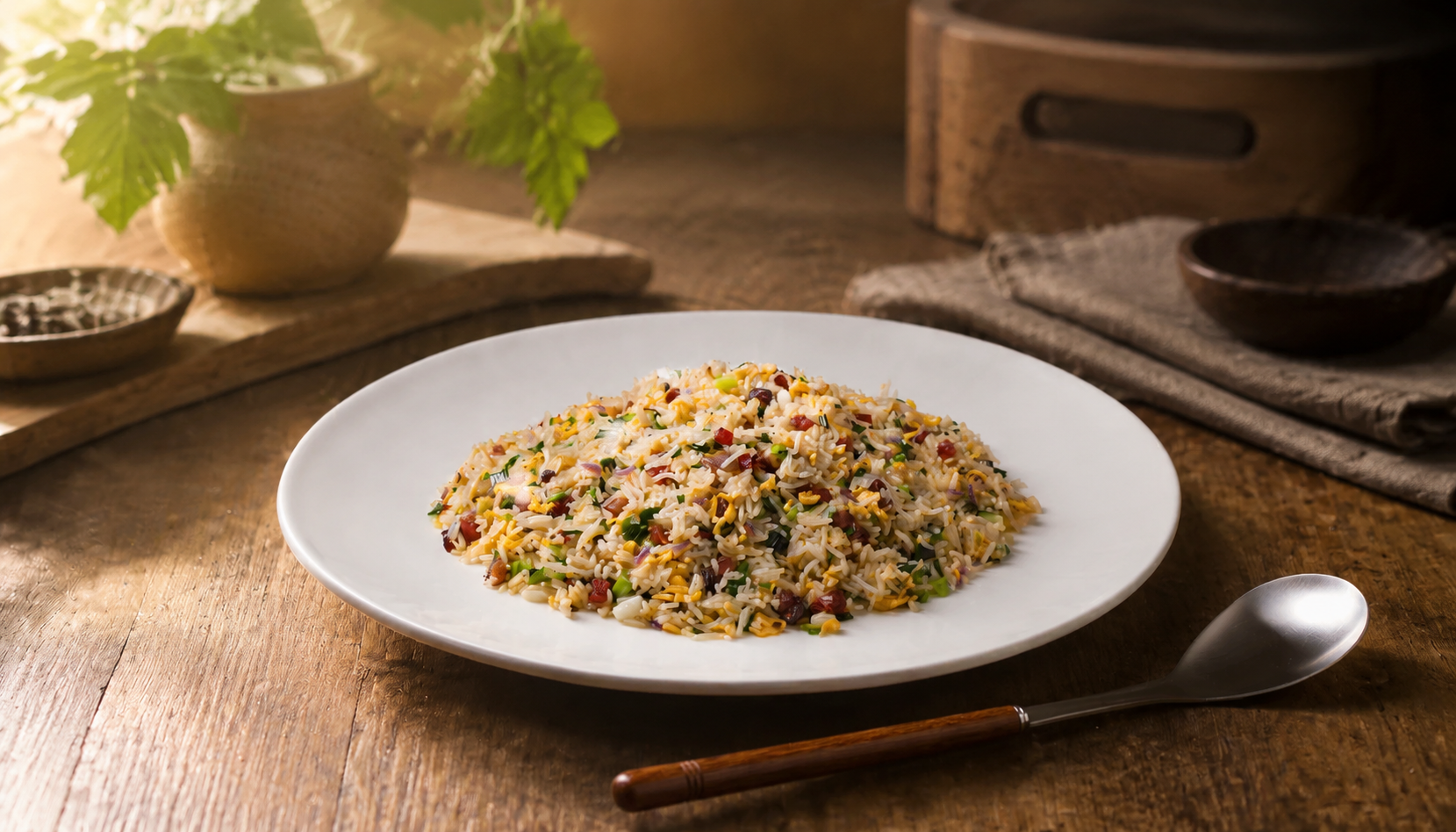
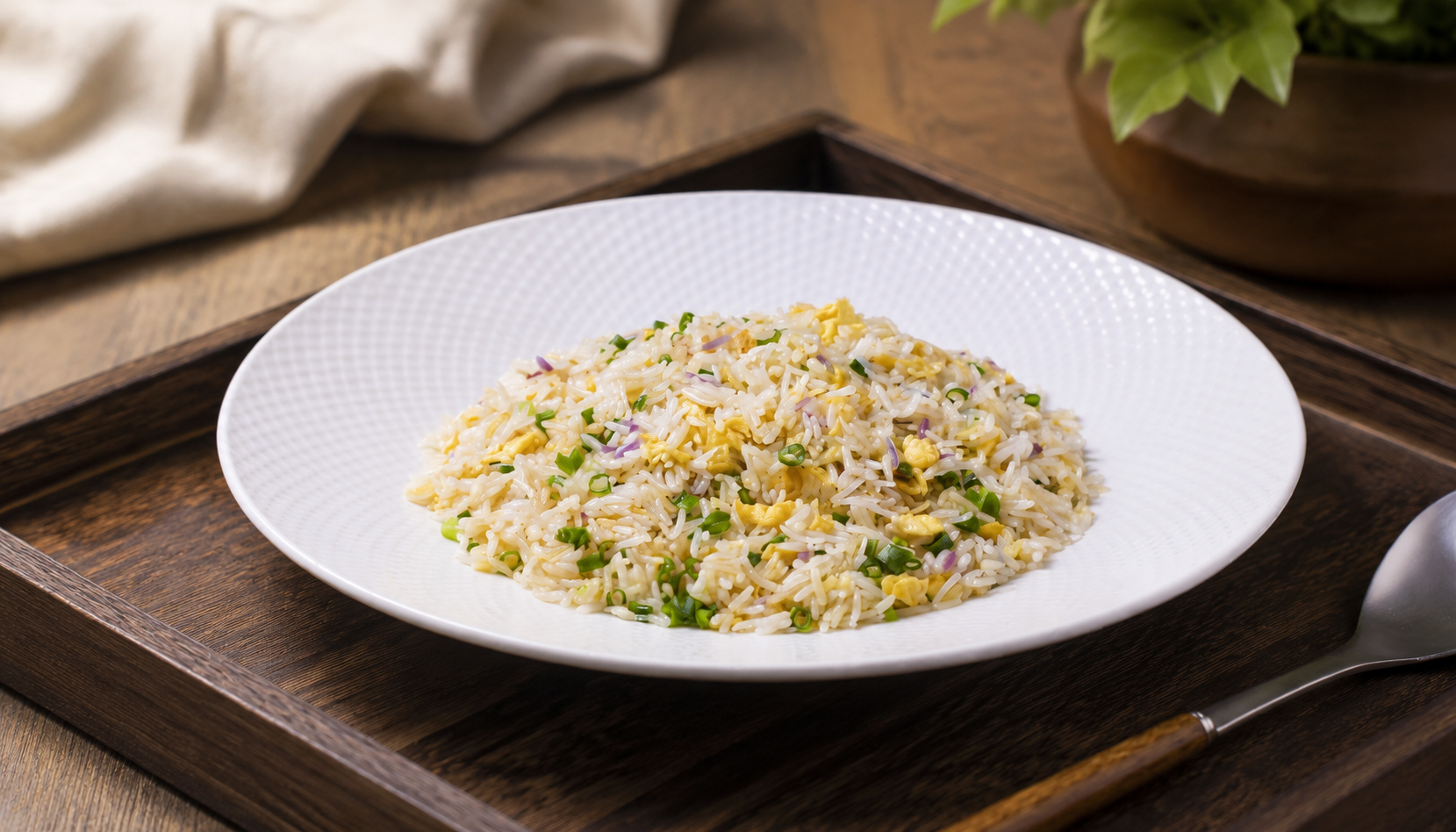
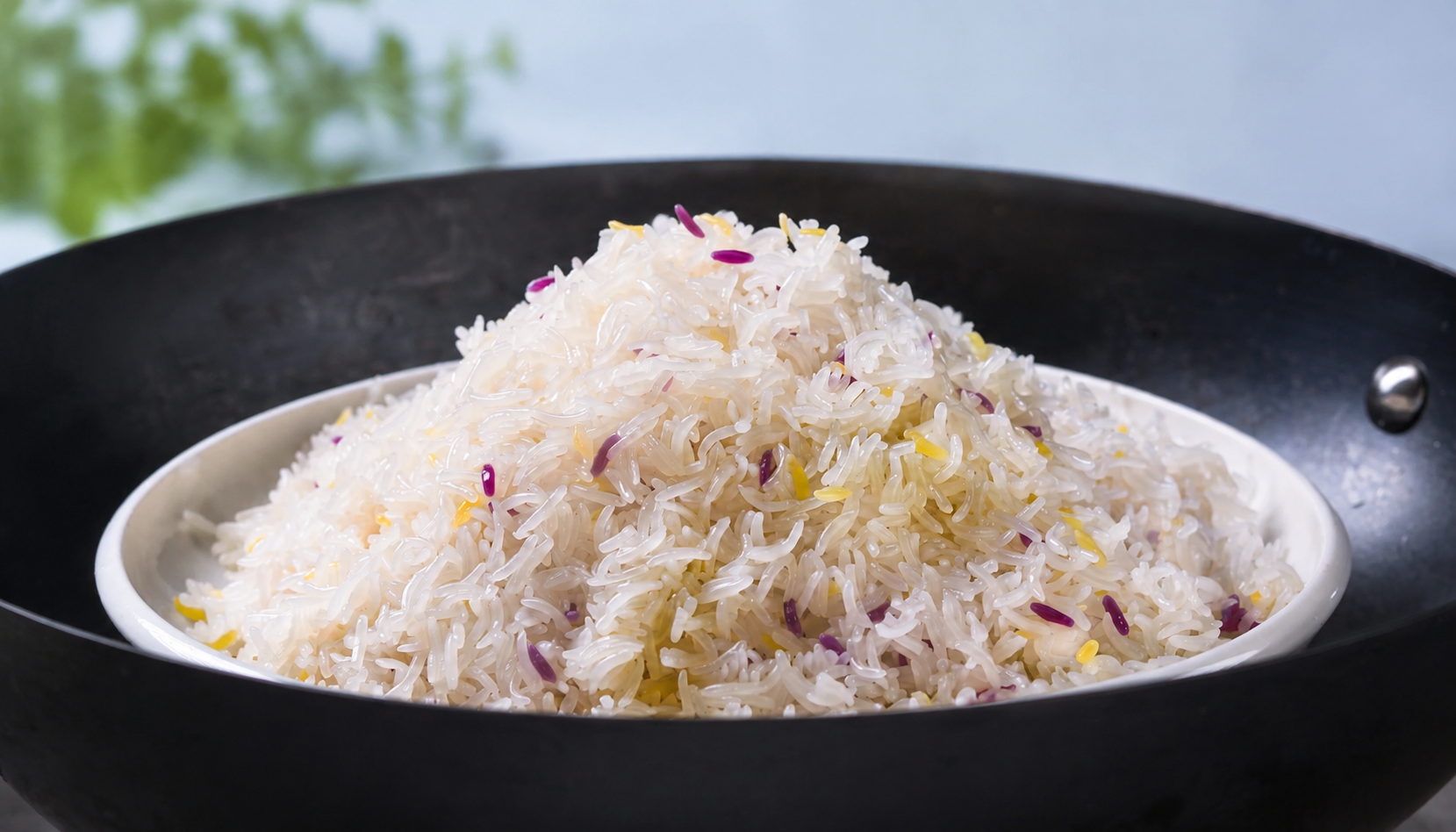
When you spoon out a plate of fried rice made with Niannianfeng Special Rice, you'll immediately notice the difference. Each grain is distinct, golden, and dances freely on the plate, not clumped together. The aroma is a delightful mix of toasted rice, savory soy, and fragrant garlic, hinting at the deliciousness to come. Bite into it, and you'll experience a satisfying texture – slightly chewy, with a hint of crispness on the outside, and a soft, flavorful interior. The egg coats each grain like a delicate golden veil, and the vibrant colors of the vegetables stand out against the perfectly fried rice. It's truly a celebration of flavor and texture, right in your own kitchen.
Next time, try adding a tablespoon of belacan (Malaysian shrimp paste) or a dash of fish sauce along with your soy sauce for an authentic Southeast Asian twist. Or, if you have a big family or just love fried rice, consider the Nian Nian Feng Tri-color Fried Rice 10kg for even more cooking adventures!
---
FAQs About Perfect Fried Rice
常见问题
Q1.我可以用刚煮好的米饭做炒饭吗?
虽然技术上可行,但强烈不建议。刚煮好的米饭水分过多,会导致粘稠、结块的质地。为了获得最佳效果,请使用比平时水量稍少的米饭,然后将其摊开冷却至少2小时,或者最好是冷藏过夜。这能让米粒变硬并干燥,防止粘连。
Q2.用什么锅做炒饭最好?
炒锅是做炒饭的理想选择,因为它具有高蓄热性、便于翻炒的弧形侧壁和大的表面积。然而,一个大而厚底的不粘锅或一个养护良好的铸铁锅也能很好地工作。关键是使用一个能变得非常热并保持热量的锅,让米饭是炒熟而不是蒸熟。
Q3.炒饭应该用多少油?
用油量会有所不同,但一般来说,对于2杯煮熟的米饭,1.5到2汤匙是一个很好的起点。油太少会导致粘锅和米饭干燥,而油太多则会使其油腻。‘热锅冷油’的技巧很有帮助。确保油烧得冒烟热后再加入食材,如果在翻炒过程中锅看起来太干,不要害怕再加一点点。
Q4.我的炒饭即使用了黏黏丰米还是有点粘。我做错了什么?
即使是像黏黏丰这样优质的米饭,粘锅最常见的原因也是炒饭前煮熟的米饭没有充分干燥。请确保您的米饭彻底冷却并干燥,最好是冷藏过夜。此外,确保您的锅烧得非常热,并且不要一次放太多米饭。如果需要,分批烹饪,并不断翻动米饭,以防止它在热表面上停留太久而结块。
Q5.我可以在我的炒饭食谱中添加其他食材吗?
当然可以!炒饭用途广泛。您可以随意尝试不同的蛋白质,如虾、鸡丁或豆腐。蔬菜方面,可以尝试甜椒、蘑菇或豆芽。只需记住将食材切成小而均匀的块,以便均匀烹饪,并考虑将较硬的蔬菜或肉类单独烹饪,然后再加入米饭,以避免锅内过满或使米饭变湿。