Unlock Perfect Fried Rice: It's All About the Rice
TL;DR
Achieving truly grain-separated, non-sticky fried rice hinges on using specific fried rice rice, like Nian Nian Feng. Cook it with 20% less water and cool it completely for at least 2 hours before stir-frying on high heat in small batches to prevent mushiness.
Key Takeaways
- The secret to grain-separated, non-sticky fried rice lies in using a specialized fried rice rice, like Nian Nian Feng, due to its ideal starch profile.
- Proper rice preparation is critical, involving rinsing to remove excess starch, cooking with 20% less water than usual, and cooling completely for at least 2 hours to reduce moisture.
- Mastering stir-frying technique includes using a hot wok with cold oil, cooking eggs quickly to 70-80% doneness, and frying in small batches to maintain high heat and prevent sogginess.
- Avoid common pitfalls such as overcrowding the wok, using too much oil, and not having all ingredients prepped beforehand, as these can lead to a greasy or unevenly cooked dish.
Struggling to make fried rice that's light, fluffy, and doesn't clump together? This guide is for home cooks who dream of restaurant-quality fried rice. We'll reveal why the type of rice you choose, specifically a premium short-grain variety designed for frying, is more critical than your technique. Learn the simple yet powerful adjustments to your rice preparation and stir-frying method to consistently achieve perfectly separated grains, transforming your kitchen into a fried rice haven.
Ever found yourself staring at a plate of what was supposed to be fluffy, grain-separated fried rice, only to end up with a sticky, clumpy mess? You're not alone. Many home cooks blame their wok or their technique, but the real secret to achieving that restaurant-quality, 粒粒分明不粘锅 (grain-by-grain, non-stick) fried rice often lies in one crucial ingredient: the 炒饭米专用 (fried rice exclusive rice). This article will show you why choosing a 优质短粒大米0.5kg (premium short-grain rice 0.5kg) specifically designed for fried rice can transform your cooking.
The Science Behind Perfect Grains
Think about what makes rice sticky. It's mostly about starch, specifically a type called amylopectin. Regular table rice, especially many common short-grain varieties, has a high amylopectin content. When cooked, these starch molecules swell and release, creating that lovely soft, slightly sticky texture perfect for eating with chopsticks or making sushi. But for fried rice? That stickiness becomes a liability. It makes the grains clump together, absorb too much oil, and turn into a soggy, greasy blob.
What you need is rice with a higher proportion of amylose, a different type of starch that keeps grains firmer and more independent after cooking. This is where dedicated fried rice varieties come in. They are either naturally higher in amylose or have been specifically processed to ensure the cooked grains remain distinct and dry, ready to absorb flavor without clumping.
Choosing Your Weapon: The Right Rice
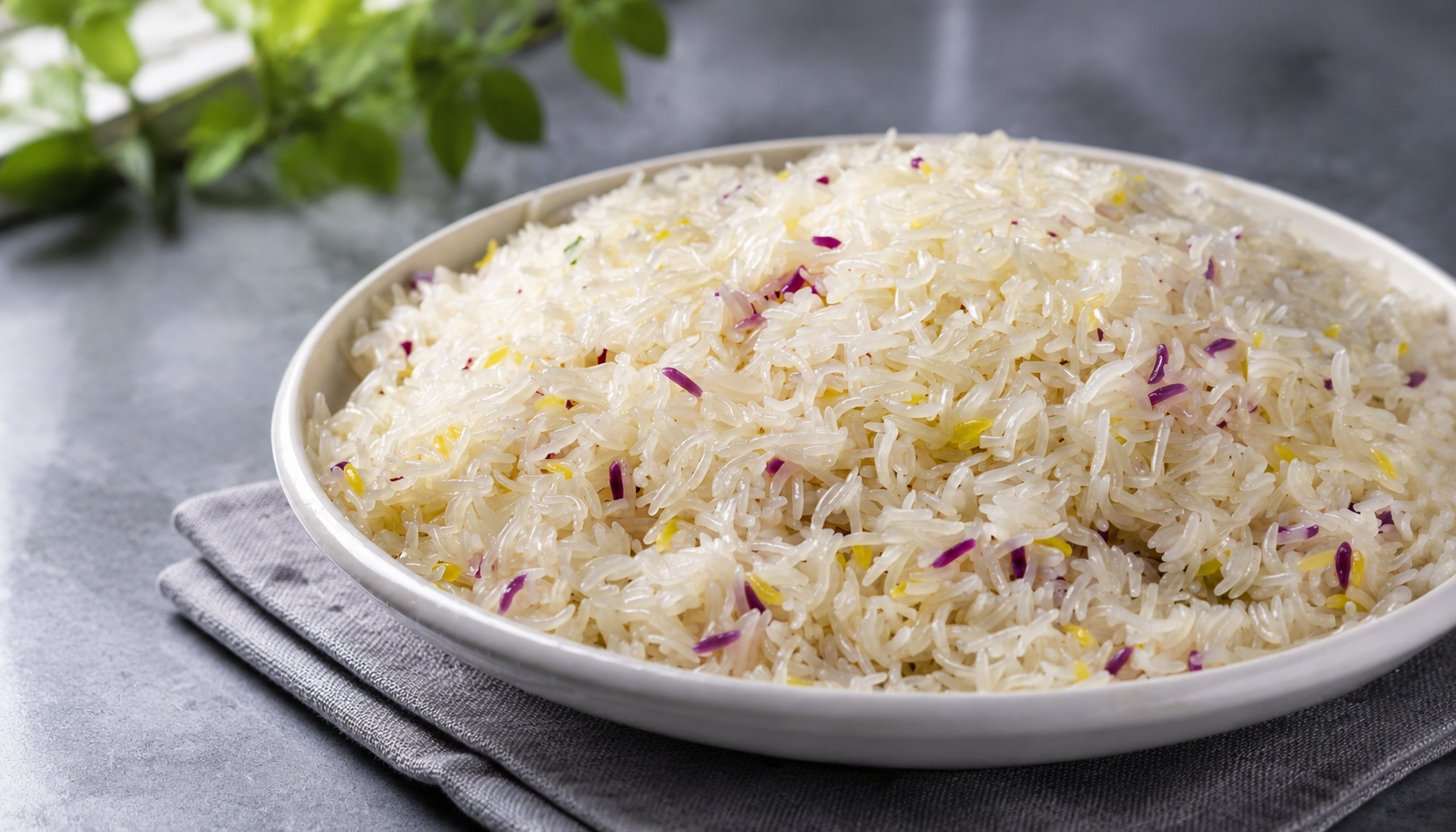
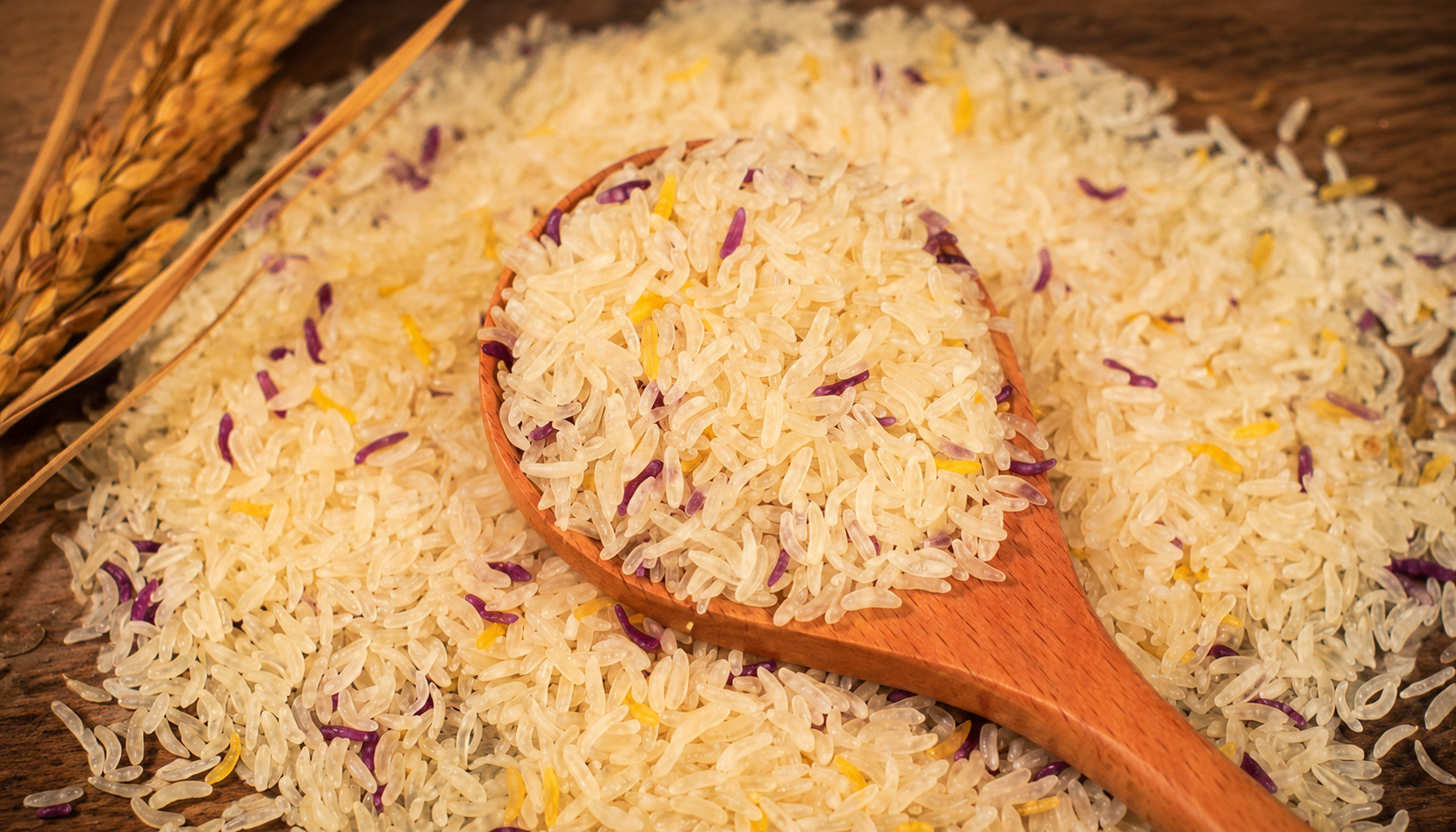
For years, I struggled with fried rice, even with proper technique. Then I discovered Nian Nian Feng Rice for Fried Rice 0.5KG Nian Nian Feng Rice for Fried Rice 0.5KG. This dedicated fried rice rice is a game-changer. It's a premium short-grain rice that delivers on its promise of 粒粒分明不粘锅. The grains are specifically selected and milled to have the ideal starch profile for stir-frying, ensuring they stay firm and separate, even under high heat.
If you're a regular fried rice enthusiast, upgrading to a larger pack like the Annual Harvest Fried Rice Rice 5KG makes sense for value and convenience, especially if you cook for a family or enjoy meal prepping. For those living alone or just wanting to try it out, the Niannianfeng Rice 500g Small Pack Rice for Dormitory Singles, Convenient for First Taste is a perfect starter. Regardless of the pack size, the quality of this specialized rice takes the guesswork out of achieving that perfect texture.
Mastering the Basics: Prepping Your Rice
Even with the right rice, proper preparation is key. Here's how to set yourself up for success:
1. Rinse Thoroughly (and why): Rinse your Nian Nian Feng Rice for Fried Rice under cold running water until the water runs clear. This washes away excess surface starch, which can contribute to stickiness and cloudiness in the final dish.
2. Cook with Less Water (and why): This is crucial. For every cup of Nian Nian Feng Rice, use about 0.8 cups of water, not the standard 1:1 or 1:1.2 ratio for regular rice. Less water means a firmer, drier grain, which prevents mushiness and helps the grains stay separate when stir-frying. Cook it in a rice cooker or on the stovetop as usual, but keep a close eye on it to ensure all water is absorbed.
3. Cool Completely (and why): Once cooked, immediately spread the rice out evenly on a large tray or baking sheet. Let it cool completely, ideally for at least 2 hours at room temperature, or even overnight in the fridge. The cooling process allows excess moisture to evaporate, making the grains firm and less prone to breaking or sticking together during frying. Warm or freshly cooked rice will inevitably lead to a soggy mess.
The Art of the Stir-Fry: Step-by-Step
Now that your rice is perfectly prepped, let's get frying! This isn't just about throwing ingredients into a pan; it's about timing and technique.
1. Wok Prep: Hot Wok, Cold Oil (and why): Heat your wok or large skillet over high heat until it just starts to smoke, about 60 seconds. Then, add 1.5 tablespoons of a neutral oil like canola or grapeseed. Swirl the oil to coat the surface, then let it heat for another 30 seconds until shimmering. This 'hot wok, cold oil' method creates a non-stick surface, preventing your rice from sticking and ensuring even cooking.
2. Eggs First, Quick Cook (and why): Crack two eggs into a small bowl, whisk lightly with a pinch of salt. Pour the egg mixture into the hot wok and let it cook undisturbed for about 5-7 seconds until the edges set but the center is still slightly runny. Then, quickly scramble them into small pieces. You want the eggs about 70-80% cooked, not fully browned. This ensures they remain tender and can easily coat the rice later, adding a beautiful golden hue and rich flavor.
3. Add Your Rice (and why): Immediately add your cooled, prepared rice to the wok. Break up any clumps with your spatula. Stir-fry vigorously for about 2 minutes, constantly tossing and pressing the rice against the wok surface. This allows the rice to toast slightly, developing a nutty aroma and a slightly crispy exterior, while absorbing the residual egg and oil.
4. Flavor Base & Aromatics (and why): Push the rice to one side of the wok. Add a splash more oil to the empty spot, then toss in your aromatics like minced garlic and chopped green onions (white parts only). Sauté for about 30 seconds until fragrant. This ensures the aromatics release their full flavor without burning, infusing the oil before mixing with the rice.
5. Seasoning & Mix-ins (and why): Return the rice to the center. Add 1 tablespoon of light soy sauce and 0.5 teaspoon of white pepper. If adding other ingredients like cooked shrimp, chicken, or diced vegetables, add them now. Stir-fry for another 1-2 minutes, ensuring everything is thoroughly combined and heated through. Seasoning at this stage allows the flavors to meld directly with the rice and other ingredients.
6. Final Touches (and why): Toss in the green parts of your chopped green onions. Give it one final, quick stir-fry for 15 seconds. This adds a fresh, vibrant pop of color and a subtle oniony bite without overcooking them.
Common Pitfalls and How to Avoid Them
Newbie Trap: Overcrowding the Wok. This is probably the single biggest mistake I see home cooks make. Trying to fry too much rice at once significantly drops the wok's temperature, leading to steaming instead of frying. This makes the rice soggy and sticky, exactly what we're trying to avoid. If you're making a large batch, fry in smaller portions, about 2-3 servings at a time, to maintain high heat and achieve that perfect crispy texture. It might take an extra few minutes, but the results are worth it.
Another common issue is using too much oil. While some oil is necessary for flavor and to prevent sticking, excessive oil makes your fried rice greasy and heavy. Stick to the suggested 1.5 tablespoons for a standard serving (2-3 cups of cooked rice) and only add a tiny splash more if needed for aromatics.
Finally, not having all your ingredients prepped and ready (mise en place) before you start frying can lead to disaster. Stir-frying is fast-paced. If you're chopping vegetables while the wok is screaming hot, things will burn or get overcooked. Have everything measured, chopped, and within arm's reach before you even turn on the stove.
The Grand Finale: A Taste of Perfection
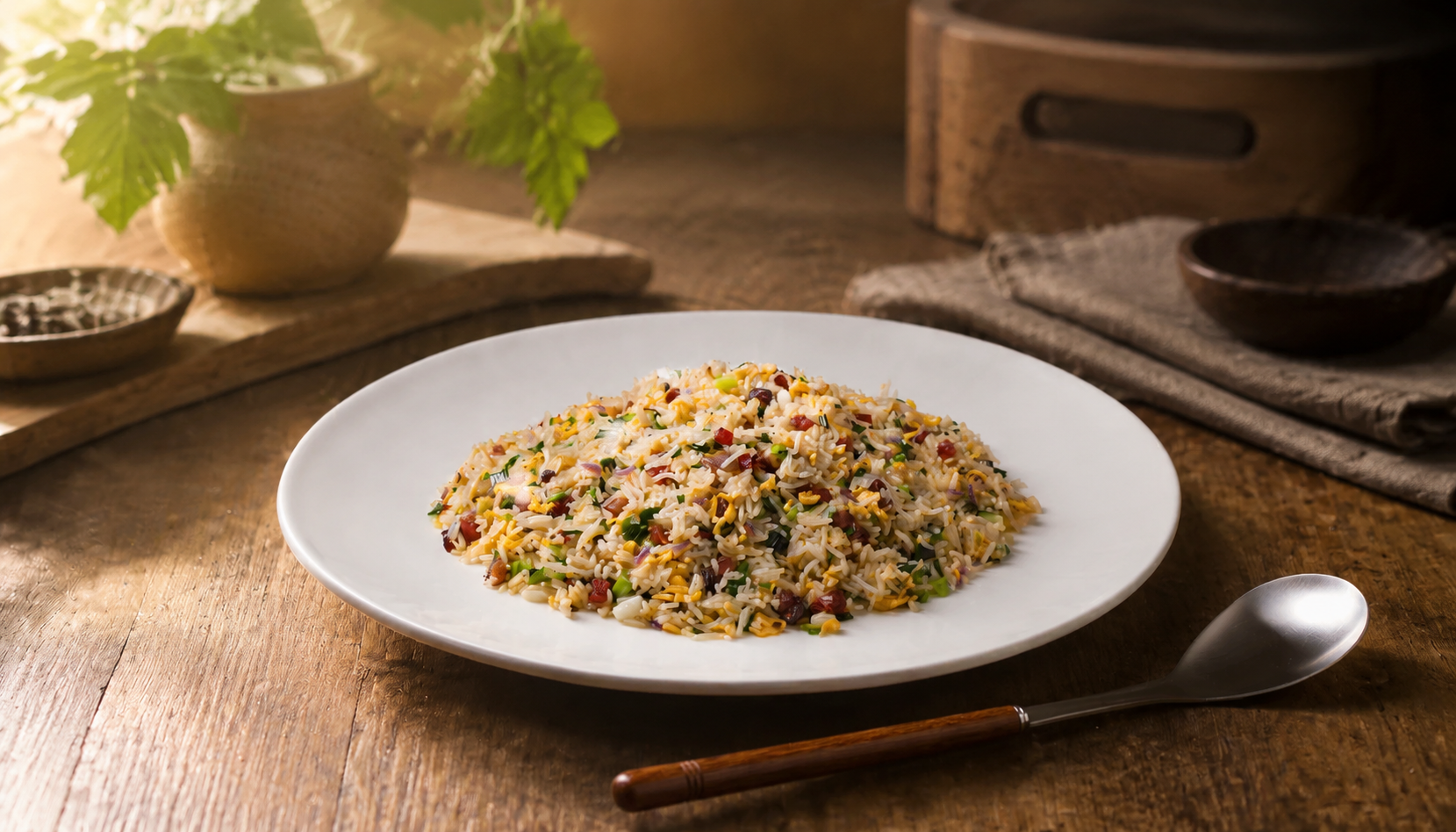
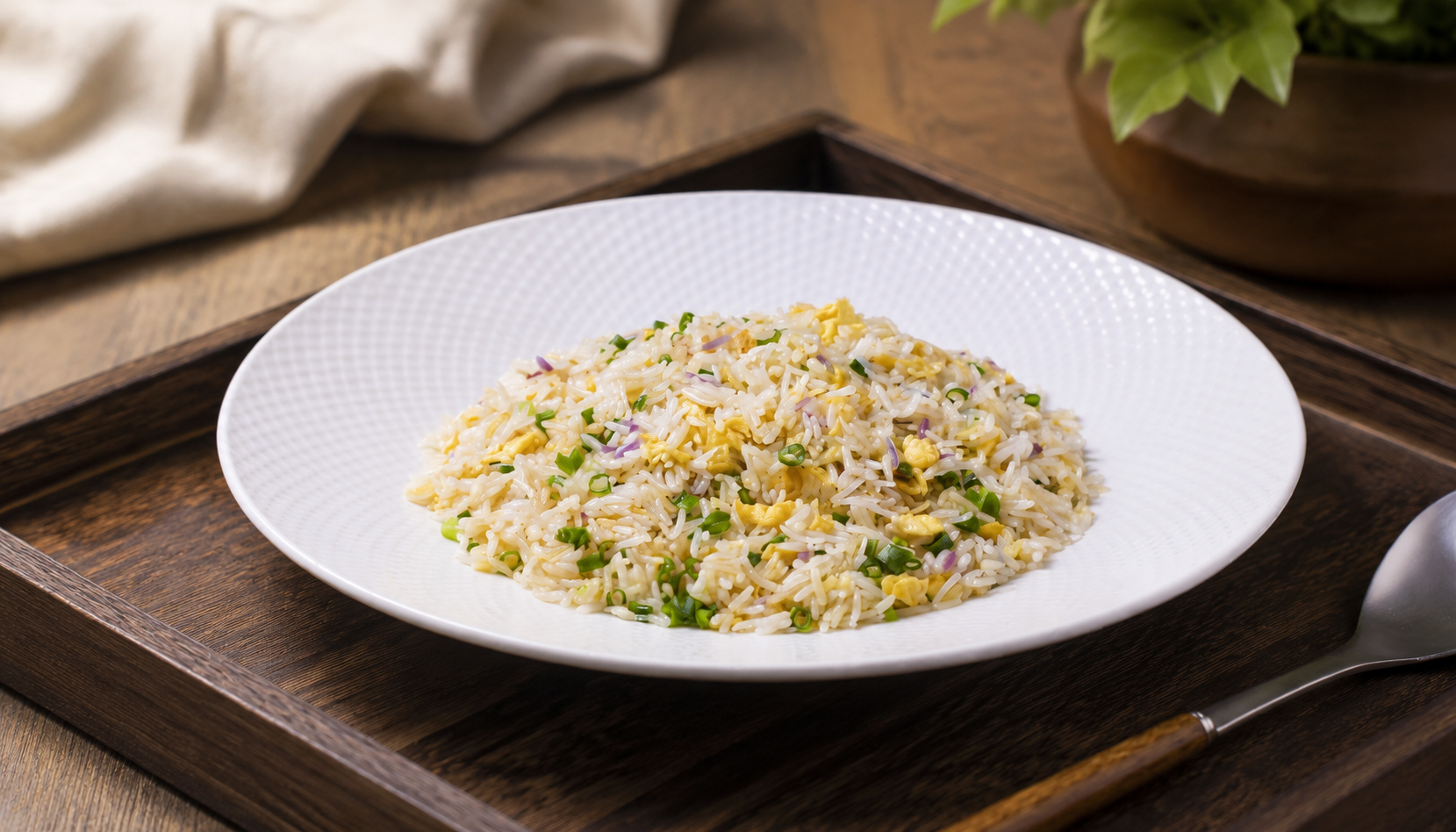
When it’s done right, each grain of rice will be distinct, coated in a shimmering, golden layer of egg and oil. As you scoop it, you'll hear a slight 'sizzle,' and the aroma of toasted rice and savory soy will fill your kitchen. The first bite delivers a satisfying crunch on the outside, giving way to a soft, chewy interior, with the delicate egg flavor melding perfectly with the rice. The grains are light, fluffy, and completely separate, proof that the right rice makes all the difference.
Your Next Culinary Adventure
Now that you've mastered the basics with Nian Nian Feng Rice for Fried Rice 0.5KG, don't be afraid to experiment! Next time, try adding a tablespoon of XO sauce for an umami kick, or a dash of sesame oil at the very end for a fragrant finish. The possibilities are endless when your foundation is perfect.
常见问题
Q1.Can I use freshly cooked rice for fried rice?
While it's possible, it's highly recommended to use rice that has been cooked and then completely cooled, ideally for at least 2 hours at room temperature or overnight in the fridge. Freshly cooked rice retains too much moisture, which will steam rather than fry in the wok, leading to a mushy, clumpy texture. Cooling allows the grains to firm up and dry out, making them ideal for stir-frying.
Q2.What kind of oil is best for fried rice?
A neutral oil with a high smoke point is best for fried rice. Canola oil, grapeseed oil, peanut oil, or vegetable oil are excellent choices. These oils won't impart a strong flavor, allowing the other ingredients to shine, and can withstand the high heat required for proper stir-frying without burning or smoking excessively.
Q3.How much oil should I use to prevent my fried rice from being greasy?
For a standard batch of 2-3 cups of cooked rice, about 1.5 tablespoons of oil is usually sufficient. The 'hot wok, cold oil' technique helps prevent sticking with less oil. If you add aromatics separately, a tiny splash more can be added to that section of the wok. The goal is to lightly coat the grains, not to drench them.
Q4.What's the best type of wok or pan for making fried rice?
A carbon steel wok is traditionally considered the best for fried rice due to its ability to heat quickly and evenly, and its high heat retention. However, a large, heavy-bottomed stainless steel skillet or cast-iron pan can also work effectively. The key is to use a vessel that can get very hot and maintain that heat, allowing the rice to fry rather than steam.
Q5.Can I add vegetables to my fried rice, and when should I add them?
Absolutely! Vegetables add flavor, texture, and nutrition. For quick-cooking vegetables like diced carrots, peas, corn, or bell peppers, add them after the eggs and before or with the rice, stir-frying for 1-2 minutes until slightly tender-crisp. For leafy greens like spinach, add them in the last minute of cooking to prevent them from becoming soggy and overcooked.
Q6.My fried rice is sticking to the pan. What am I doing wrong?
Sticking usually indicates insufficient heat or an improperly seasoned pan. Ensure your wok or pan is smoking hot before adding oil, then swirl the oil to coat the entire surface. This 'hot wok, cold oil' method helps create a non-stick layer. Also, ensure you're using enough oil (around 1.5 tablespoons) and not overcrowding the pan, which can drop the temperature too quickly.