Chongqing, Hangzhou, Guangzhou: A Fried Rice Odyssey
TL;DR
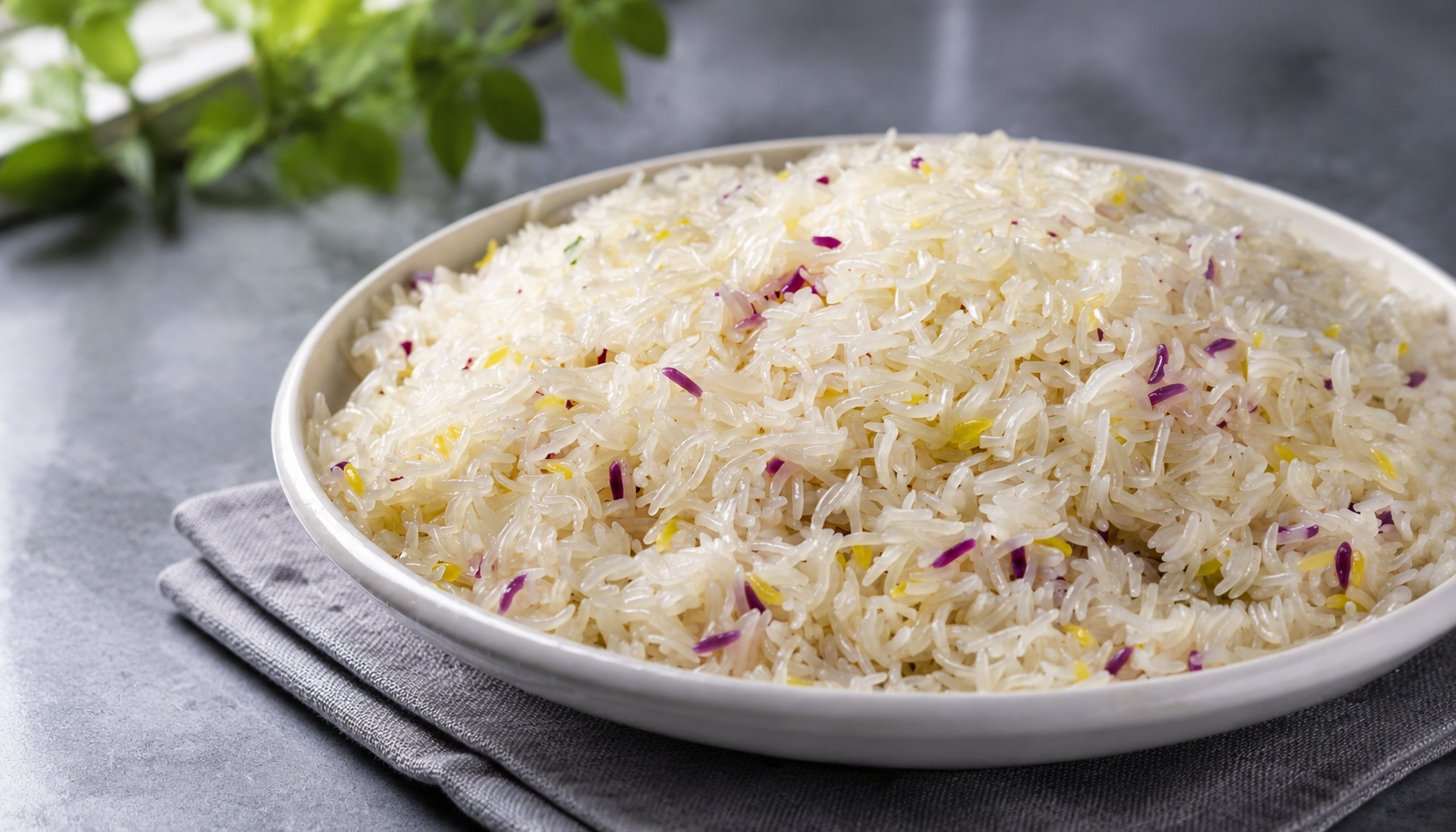
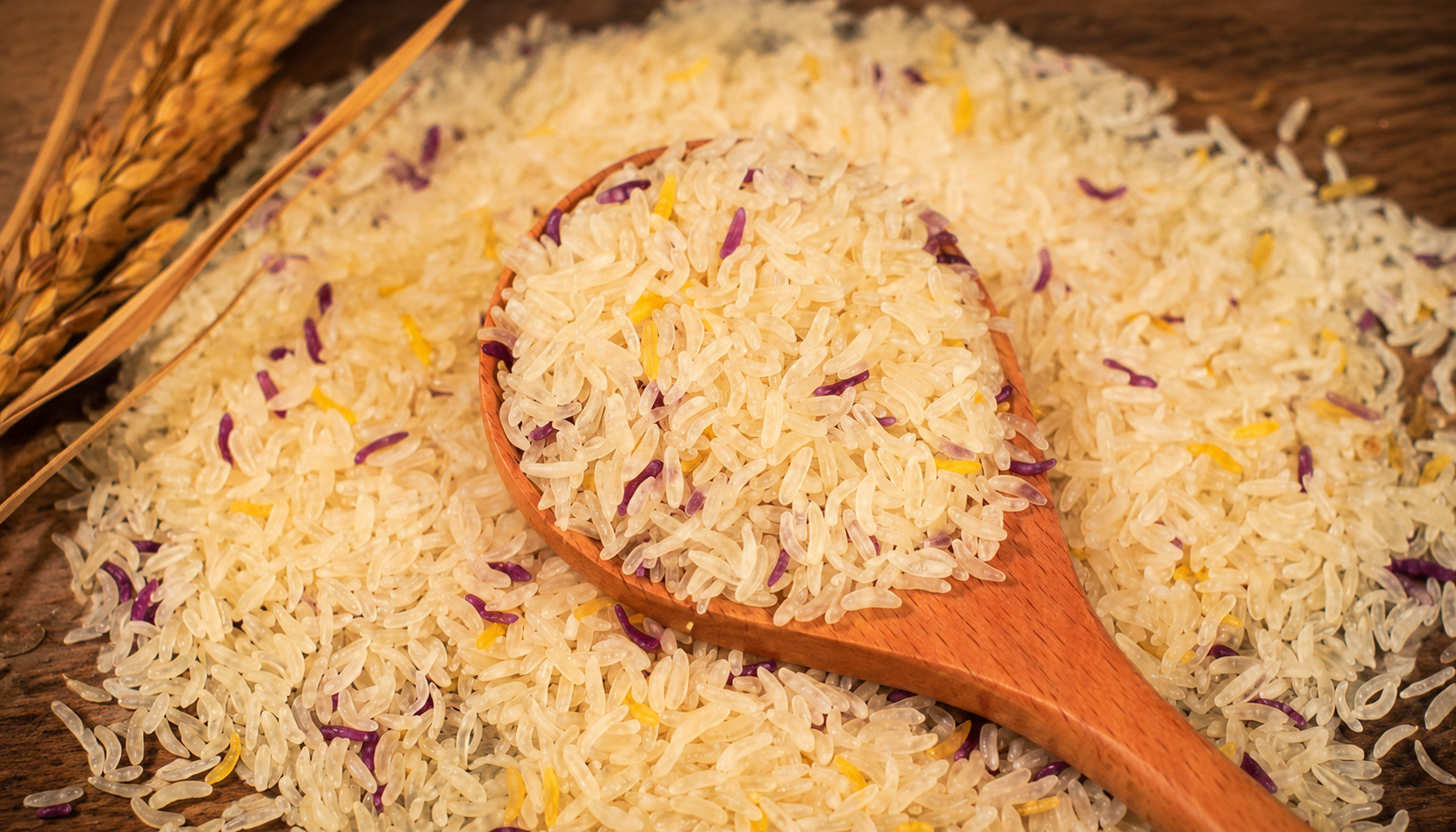
Exploring Chongqing's fiery, Hangzhou's fresh, and Guangzhou's wok hei fried rice reveals distinct rice choices and cooking methods, highlighting that the right grain, like Nian Nian Feng Tri-color Fried Rice 10kg, is key for home or commercial kitchens to achieve perfect texture and flavor.
Key Takeaways
- Chinese fried rice varies significantly by region, with cities like Chongqing, Hangzhou, and Guangzhou each developing unique styles based on local ingredients, cooking techniques, and rice preferences.
- The choice of rice is paramount for fried rice, with amylose content influencing texture; high-amylose rice is preferred for distinct grains, while moderate amylose rice can balance absorbency and separation.
- Specialized rice products, such as Nian Nian Feng Tri-color Fried Rice 10kg, are formulated to provide plump, fragrant, easy-to-cook, and distinct grains, making them ideal for achieving excellent texture in various fried rice styles for both home and commercial use.
- Achieving perfect fried rice involves not only selecting the right rice but also proper preparation, including cooking rice slightly drier than usual and allowing it to cool and dry overnight to prevent stickiness.
From Chongqing's bold spice to Hangzhou's delicate freshness and Guangzhou's smoky wok hei, this culinary journey maps the diverse world of Chinese fried rice. Discover how local rice varieties, unique cooking techniques, and regional philosophies shape each dish. For home cooks and commercial kitchens alike, understanding these differences and selecting a suitable rice, such as Nian Nian Feng Tri-color Fried Rice 10kg, is crucial for crafting truly authentic and delicious fried rice, ensuring distinct grains and appetizing results.
The clang of a wok against a roaring flame, the sizzle of oil, the intoxicating aroma of rice marrying with ingredients – these are the universal sounds and smells of fried rice across China. Yet, beneath this seemingly simple dish lies a world of profound regional variations, each shaped by local ingredients, culinary philosophy, and the very grain of rice itself. As a fried rice enthusiast who has traveled the length and breadth of this land, I've come to see China not just as a map of provinces, but as a vibrant tapestry woven with countless fried rice stories.
From the fiery streets of Chongqing to the serene canals of Hangzhou and the bustling markets of Guangzhou, the journey of fried rice is a lesson in diversity. It's not about which is 'best,' but about appreciating the unique character each city imbues into its most beloved comfort food. And at the heart of every great fried rice, regardless of its origin, is the rice itself – its texture, its ability to absorb flavor, and its resilience under heat. For those looking to master the art at home or in a commercial setting, understanding these nuances and selecting a quality foundation like Nian Nian Feng Tri-color Fried Rice 10kg is paramount. This particular blend offers fragrant and glutinous grains that are plump, easy to cook, and designed to ensure each grain remains distinct, making it an ideal choice for creating golden, appetizing fried rice with excellent texture.
Chongqing: The Fiery Soul in a Wok
It's past midnight in Chongqing's Shapingba district. The air hums with the metallic clang of woks and the sizzle of oil, a symphony of late-night cravings. Old Man Li, his face glistening with sweat and chili oil, works his magic at "Li Ji Fried Rice." He's been here for forty years, serving up the city's fiery soul in a bowl, a testament to Chongqing's unapologetic love for bold flavors. His small stall, illuminated by a single bare bulb, is a beacon for hungry souls.
"You want the rice to stand up to the heat, don't you? Not just any grain can handle it," he bellows, his voice raspy, cutting through the din. "We use a local short-grain, a bit sticky when steamed, but it holds its shape when it hits the hot wok. It drinks up the chili oil and the numbing peppercorns without turning to mush." This kind of rice, with its robust structure and moderate amylose content, is essential for the "heavy" flavors of Chongqing fried rice. It needs to be firm enough to withstand aggressive tossing yet porous enough to absorb the intense spices.
Li's technique is pure "Chongqing gan chao" (dry fry). His wok is a blur of motion – quick, aggressive thrusts and flicks, coating every grain with chopped pickled mustard greens, minced pork, and, of course, a generous ladle of potent chili oil. The rice doesn't just get cooked; it gets baptized in flavor. Each grain, though deeply infused, remains separate, a testament to the rice's resilience and the chef's skill. The result is an explosion of spicy, numbing, and savory notes that lingers on the palate. For those keen to experiment with different rice types to achieve varied textures, even a smaller portion like Niannianfeng Rice 500g Small Pack Rice for Dormitory Singles, Convenient for First Taste can be a great starting point to understand how different grains behave under intense heat and strong flavors.
Hangzhou: The Gentle Whisper of West Lake
Contrast this with the serene mornings in Hangzhou, where dawn breaks over West Lake. At a small, unassuming eatery near Lingyin Temple, Mrs. Wang is already preparing her breakfast fried rice. The atmosphere is calm, the morning mist still clinging to the ancient trees, a stark difference from Chongqing's nocturnal frenzy. Her "Qing Shuang" (fresh and light) fried rice is a local favorite, reflecting the city's refined palate.
"Our rice needs to be '清爽' (qing shuang), not heavy, not greasy," she explains softly, gesturing to the freshly steamed long-grain rice, usually a local fragrant variety. "It's got to be tender, but each grain distinct. Too sticky, and it's not Hangzhou." The balance of moderate amylose content in these grains allows for a delicate texture that remains separate without being dry or overly firm. This philosophy echoes the advice in stop-sticky-fried-rice-its-all-about-the-right-gra-mp65tgh90, emphasizing the importance of rice selection to prevent clumping.
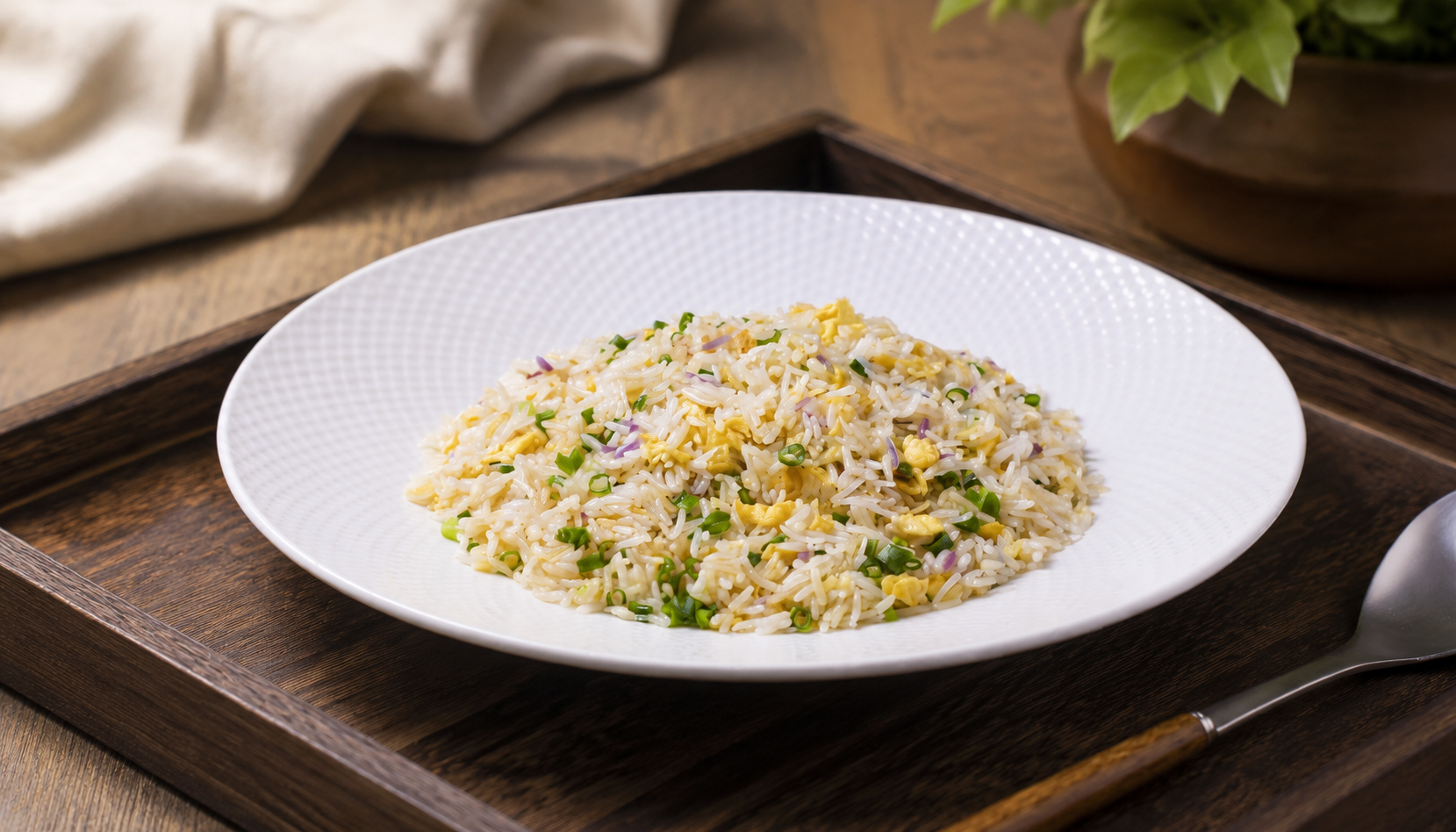
Her technique is a gentle ballet: a smooth, continuous "Hangzhou qing pao" (light toss). The wok movements are fluid, almost caressing the rice, ensuring even heat distribution without aggressive browning. Fresh peas, diced carrots, and scrambled egg ribbons are folded in, enhancing the natural sweetness and aroma of the rice. This approach is similar to how a high-quality Nian Nian Feng Tri-color Fried Rice 10kg can be prepared, where the plump, easy-to-cook grains ensure each one remains distinct, forming the perfect canvas for subtle flavors. The resulting fried rice is light, delicate, and aromatic, emphasizing the freshness of its ingredients rather than overwhelming them.
Guangzhou: The Wok Hei Master's Craft
Now, transport yourself to the lunch rush at a bustling dim sum restaurant in Guangzhou, the heart of Cantonese cuisine. Chef Kwok, with decades of experience, commands the wok station. The air is thick with the aroma of soy sauce and sizzling oil, a testament to his mastery. His "Golden Fried Rice" is legendary, a benchmark for "wok hei" (镬气).
"For 'wok hei' (镬气), you need the right rice," Chef Kwok declares, his voice cutting through the din. "We use aged fragrant long-grain, '丝苗米' (si miao mi). It's got high amylose, so it cooks up dry and separate. That's how you get that slight crisp on the outside of each grain, that '反光' (fan guang - reflective) sheen." He emphasizes that a good Niannianfeng Fried Rice Special Rice 5KG Family Pack Non-Stick Grains Separate Restaurant Quality Aromatic Rice also delivers this separate, aromatic quality, crucial for restaurant-quality results, ensuring each grain is truly distinct and non-sticky.
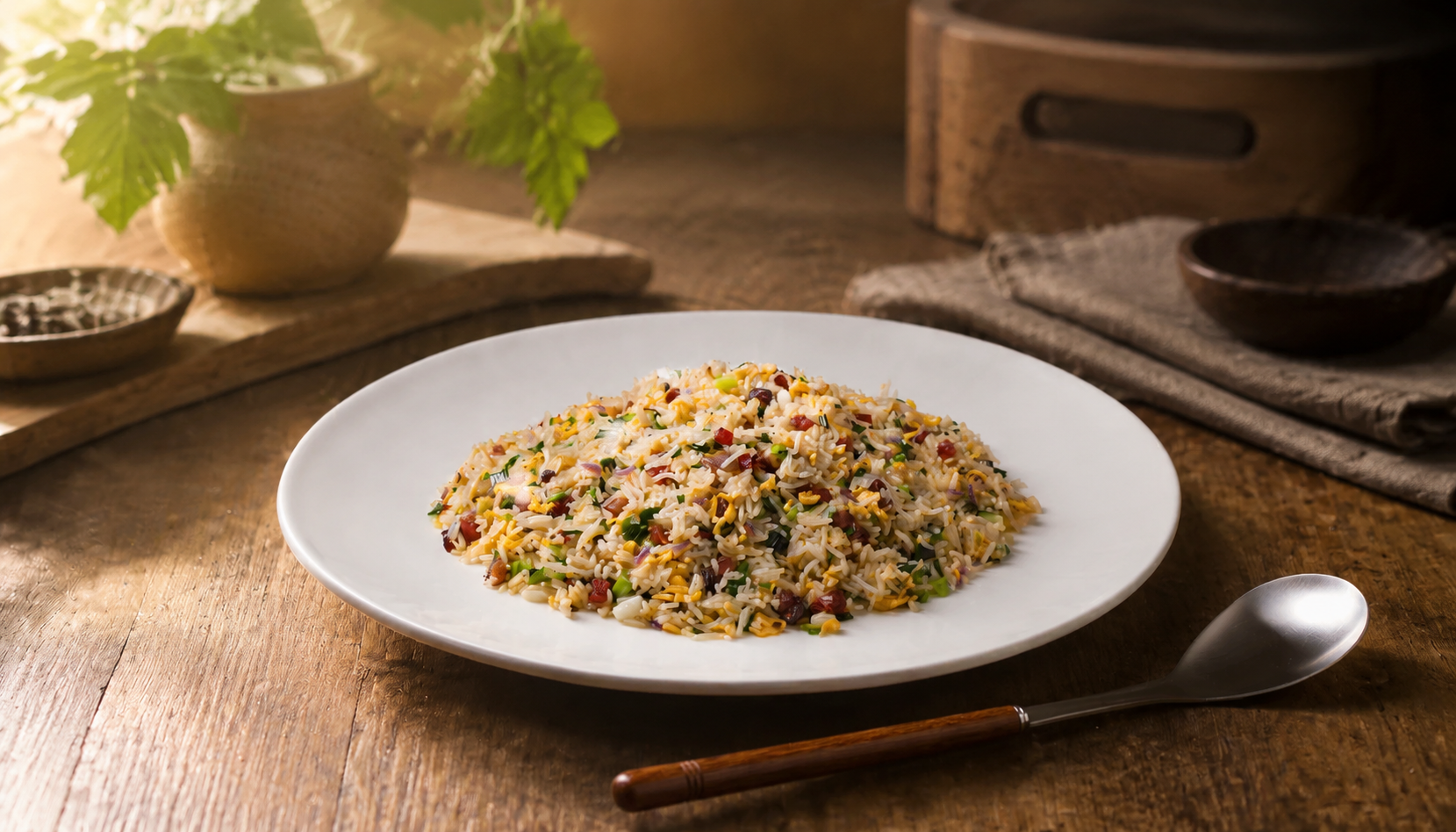
Chef Kwok's "Guangzhou pao chao" (toss fry) is a spectacle. The wok is superheated, almost glowing, reaching temperatures of around 200-250°C. The rice is introduced, then rapidly tossed high into the air, catching the flame's breath. It's about speed, intense heat, and precise timing to achieve that coveted "wok hei" – the smoky, charred aroma that defines Cantonese stir-fries. Each grain, golden and firm, dances in the wok, coated evenly with savory char siu, shrimp, and scrambled egg, achieving that perfect balance of texture and flavor that makes it truly appetizing. This technique, aimed at achieving the perfect balance, is detailed further in articles like perfect-fried-rice-its-this-rice-mp5ee3wa1.
The Common Thread: Rice is King
Despite their vast differences in flavor profile and technique, Chongqing, Hangzhou, and Guangzhou all share a fundamental truth: the quality and type of rice dictate the success of the fried rice. This isn't just about cultural preference; it's rooted in the science of the grain.
Rice varieties differ significantly in their amylose and amylopectin content. High-amylose rice, like many long-grain varieties, tends to cook up fluffy and separate, making it ideal for dishes where distinct grains are desired, such as Guangzhou's wok hei fried rice. Lower-amylose rice, often found in short-grain varieties, is stickier and softer, which can be desirable for absorbing rich sauces, as seen in Chongqing's spicy preparations, provided it doesn't turn mushy.
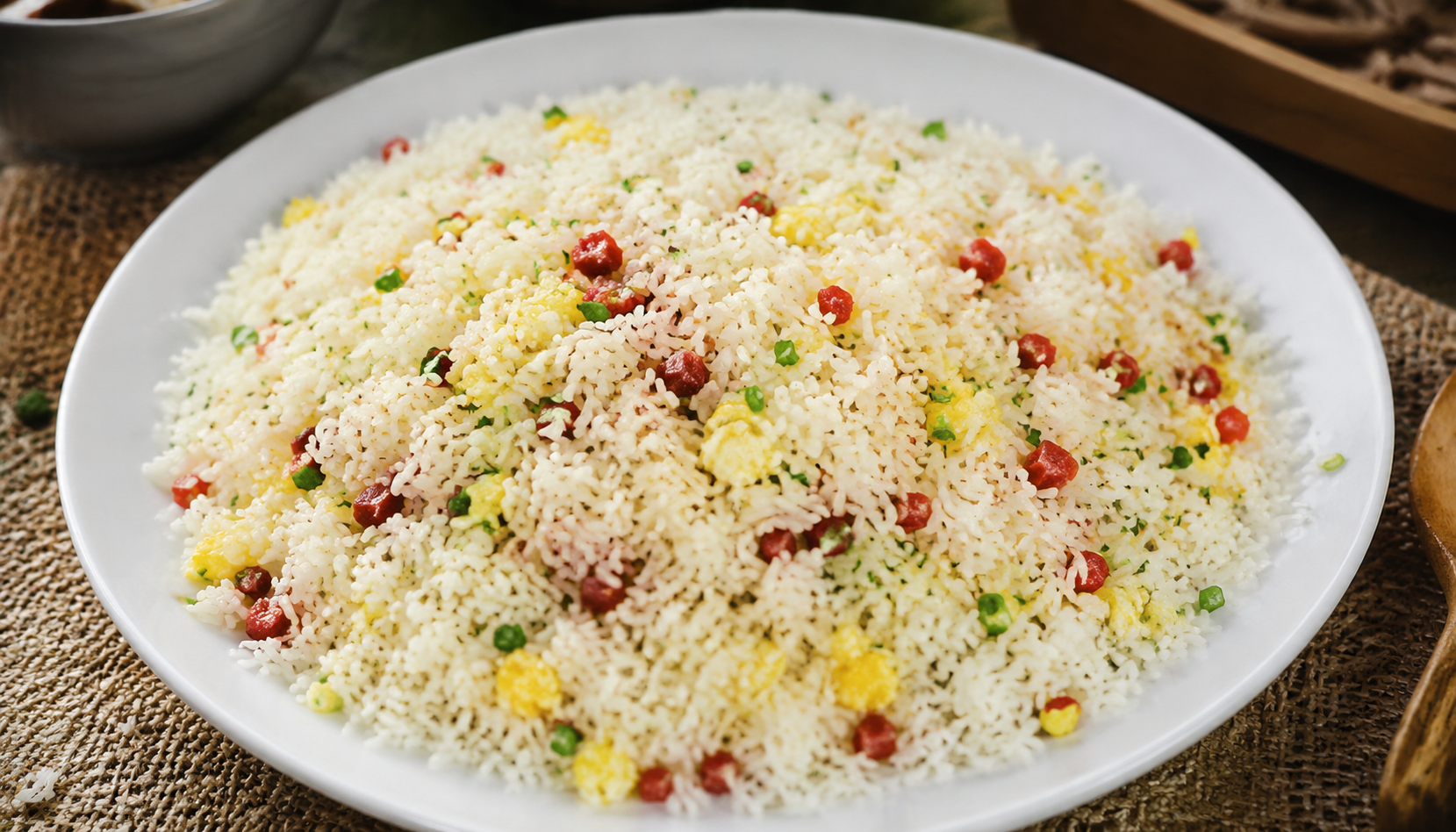
For home cooks and commercial kitchens seeking consistency and quality, selecting a rice specifically designed for fried rice is a game-changer. Products like the Nian Nian Feng Tri-color Fried Rice 10kg are engineered to provide fragrant and glutinous grains that are plump, easy to cook, and crucially, ensure each grain remains distinct. This blend offers the versatility needed to create various styles of fried rice – from the golden, appetizing fried rice with excellent texture demanded by Cantonese cuisine to the more robust dishes of Sichuan, all while ensuring non-stick performance.
Choosing Your Fried Rice Rice: A Practical Guide
When standing before a shelf of rice bags, the choice can seem daunting. Here’s how to approach it:
1. Consider Your Desired Texture: Do you want fluffy, separate grains (like Guangzhou)? Or something a bit softer and more absorbent (like Chongqing, but still distinct)? The Nian Nian Feng Tri-color Fried Rice 10kg is an excellent all-rounder, offering grains that are plump and remain separate, making it suitable for a wide range of fried rice styles without compromising on distinctness.
2. Look for "Fried Rice Special" Labels: Brands like Nian Nian Feng specifically formulate rice for this purpose. The "fried rice special" designation often means the rice has been selected for its ideal amylose content and processing to ensure it cooks up with the right texture – neither too sticky nor too dry. For instance, the Niannianfeng Fried Rice Special Rice 5KG Family Pack Non-Stick Grains Separate Restaurant Quality Aromatic Rice is designed to deliver restaurant-quality results with its aromatic, non-sticky, and distinct grains.
3. Freshness Matters: While day-old rice is preferred for frying, the quality of the freshly cooked rice directly impacts the final dish. Choose rice that is relatively fresh from harvest, as older rice can sometimes become too dry or lose its aroma. A smaller pack like the Niannianfeng Rice 500g Small Pack is perfect for trying out its quality before committing to a larger bag.
4. Cooking Method: Regardless of the rice, always ensure it's cooked slightly drier than usual for plain eating. Spreading it out to cool and dry for at least a few hours, or ideally overnight, is crucial for achieving distinct grains that won't clump in the wok.
Conclusion: A Map of Flavors, A Journey of Grains
My journey through China's fried rice landscape has shown me that every bowl tells a story – of its people, its land, and its culinary traditions. From the bold spice of Chongqing to the delicate aromas of Hangzhou and the intense wok hei of Guangzhou, each style is a masterpiece in its own right. What unites them is the meticulous attention paid to the core ingredient: rice. Understanding these differences and making an informed choice, such as opting for a specialized product like Nian Nian Feng Tri-color Fried Rice 10kg, empowers anyone to embark on their own delicious fried rice adventure, ensuring every grain is a testament to flavor and texture.
常见问题
Q1.What's the best type of rice for making fried rice?
The best rice for fried rice typically has a moderate to high amylose content, which ensures the grains cook up fluffy and separate rather than sticky. Long-grain varieties like jasmine rice or aged fragrant long-grain are popular choices. For consistent results, consider specialized products like Nian Nian Feng Tri-color Fried Rice 10kg, which is formulated to provide distinct, plump grains ideal for frying without clumping. Always use day-old, slightly dried rice for optimal texture.
Q2.How do different regions in China prepare their fried rice differently?
Chinese fried rice varies significantly by region. For example, Chongqing fried rice often features bold, spicy, and numbing flavors, using a more robust rice that can absorb intense sauces. Hangzhou fried rice is typically lighter and fresher, emphasizing the delicate aroma of local long-grain rice and gentle stir-frying. Guangzhou fried rice focuses on 'wok hei' (smoky aroma) and uses aged long-grain rice to achieve perfectly distinct, golden, and slightly crispy grains through high-heat tossing. Each style reflects local palate and culinary traditions.
Q3.Can I use freshly cooked rice for fried rice, or does it have to be day-old?
While it's possible to use freshly cooked rice, day-old rice is highly recommended for fried rice. Freshly cooked rice contains too much moisture, which can lead to a mushy, sticky final product. Day-old rice, especially if spread out and refrigerated, loses moisture, making the grains firmer and less likely to clump together in the wok. This dryness is crucial for achieving that desired '粒粒分明' (distinct grains) texture. If using fresh rice, cook it with less water and let it cool completely.
Q4.What does 'wok hei' mean in Cantonese fried rice, and how is it achieved?
'Wok hei' (镬气) is a signature characteristic of Cantonese stir-fries, referring to the unique smoky, charred aroma and flavor imparted by cooking in a very hot wok. It's achieved through a combination of intense heat (often from a high-BTU burner), rapid tossing, and precise timing. The high heat causes charring and caramelization on the food's surface, while the rapid movement prevents burning. Using dry, separate rice, like the aged long-grain often chosen in Guangzhou, is essential for 'wok hei' to evenly coat each grain.
Q5.Are there specific rice products suitable for both home and commercial fried rice cooking?
Yes, many rice brands offer products designed for both home and commercial use, focusing on consistency and quality. For example, Nian Nian Feng Tri-color Fried Rice 10kg is an excellent choice as it provides fragrant, plump, and easy-to-cook grains that remain distinct. This 10kg bag is convenient for both busy households and restaurants, ensuring that you can consistently create golden, appetizing fried rice with excellent texture, regardless of scale. Look for descriptions like 'fried rice special' or 'non-stick grains' when choosing.
Q6.How can I prevent my fried rice from sticking to the pan or clumping together?
To prevent sticky or clumpy fried rice, several factors are key. First, always use day-old, refrigerated rice that has dried out sufficiently. Second, ensure your wok or pan is very hot before adding ingredients, and use enough oil to coat the surface and the rice grains. Third, avoid overcrowding the pan; cook in batches if necessary. Finally, use a suitable rice variety, like Niannianfeng Fried Rice Special Rice 5KG Family Pack, which is specifically chosen for its ability to produce distinct, non-stick grains. Stir-frying continuously and aggressively also helps separate the grains.