News & Information
Home > News > Article Detail
The air in Bangkok’s bustling Chinatown, Yaowarat, thickens just before dusk. The clatter of woks, the sizzle of oil, and the sweet-savory perfume of garlic and soy sauce begin to dominate the street. At a corner stall, a man, his face glistening with sweat, rhythmically tosses a mountainous pile of rice in a massive wok. Each flick of his wrist sends grains dancing, separating, then falling back into the shimmering heat. This is Khao Pad (Thai Fried Rice) in the making, and the secret, I’ve learned over years of watching, tasting, and asking, isn't just in the sauce or the heat – it's fundamentally about the rice.
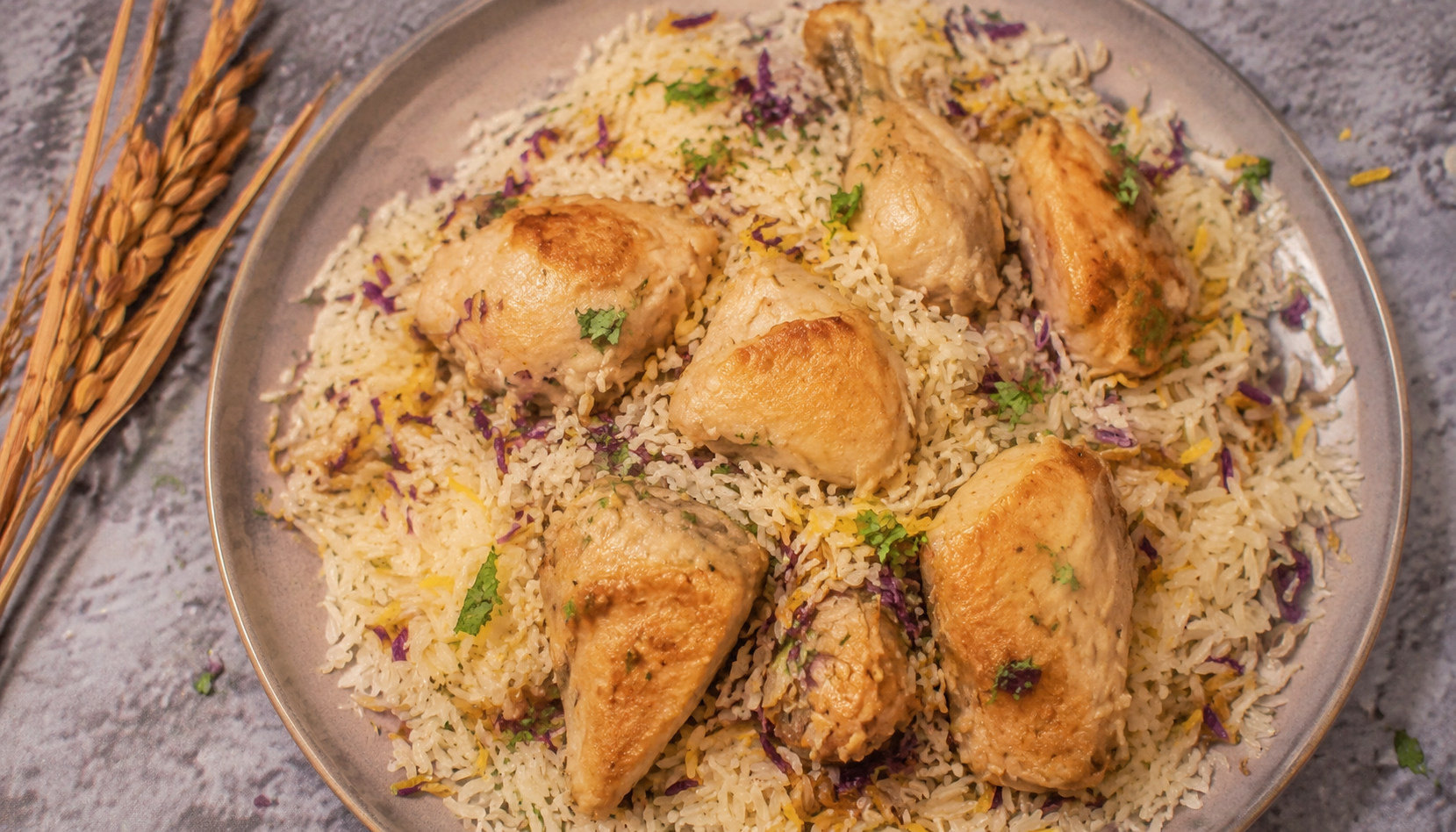
Walk through any Southeast Asian market, and you’ll find an astonishing array of rice. From the slender, aromatic grains of Thai Jasmine rice to the robust, slightly chewier medium-grain varieties favored in Indonesia, each has its place. But for fried rice, the criteria narrow considerably. The goal is simple, yet elusive: grains that are cooked through, tender, yet distinctly separate. No mushy clumps, no brittle dryness.
Many home cooks, and even some commercial kitchens, stumble at this first hurdle, using any leftover rice. While using day-old rice is a good start – its reduced moisture content helps prevent sticking – the inherent characteristics of the rice itself are paramount. If the rice is too sticky, it clumps. If it’s too dry and brittle, it breaks apart, losing its satisfying chew.
In Thailand, Khao Pad often relies on aged Jasmine rice. Thai Jasmine rice, or Hom Mali, is famous for its fragrant aroma and slightly glutinous texture when freshly cooked. However, for fried rice, it’s typically cooked and then allowed to cool, often overnight. This process firms up the grains, giving them just enough structure to withstand the high heat of the wok without disintegrating, while still retaining a delicate chew. The subtle sweetness of the Jasmine rice also complements the savory, spicy, and tangy notes of Thai cuisine, making it a perfect canvas for fish sauce, soy sauce, and chilies.
Journey west to Indonesia, and you encounter Nasi Goreng. Here, the rice preference shifts slightly towards a medium-grain variety, often with a slightly higher amylose content than Jasmine rice. This means it absorbs sauces beautifully – particularly the dark, sweet Kecap Manis (sweet soy sauce) and pungent Terasi (shrimp paste) – without becoming overly soft. The grains remain plump and separate, each coated in a glossy, flavorful glaze. This balance of absorption and distinctness is key to Nasi Goreng’s rich, satisfying texture.
Across the South China Sea, in Vietnam, Com Chien (Vietnamese Fried Rice) showcases yet another approach. Often utilizing broken rice (Cơm Tấm), which are fragments of rice grains, or other medium-grain varieties, the texture is uniquely comforting. These grains, despite their smaller size, are expertly handled to achieve a fluffy yet distinct result, often with a hint of chewiness that pairs wonderfully with the fresh herbs and lighter sauces of Vietnamese cooking.
What unites these diverse fried rice traditions is a shared understanding: the rice must be able to stand on its own. It must be `粒粒分明` (lì lì fēn míng – grain by grain distinct) – a phrase so often heard in kitchens across Asia, underscoring the importance of individual grain integrity.
This is where specialized rice like Nian Nian Feng Tri-color Fried Rice 10kg comes into play. Developed specifically to meet the demands of truly great fried rice, this blend offers a consistent solution for achieving that coveted texture. The "tri-color" aspect isn't just for visual appeal; it's a careful selection of grains chosen for their individual cooking characteristics that, when combined, create a harmonious texture profile.
When cooked, these `香糯大米` (fragrant and glutinous grains) become plump and tender, yet crucially, each grain remains distinct. They possess the ideal balance of firmness and chewiness, ensuring they don't clump together in the wok, nor do they become dry and brittle. This `粒粒分明` quality is essential for the even distribution of flavor and the satisfying mouthfeel that defines excellent fried rice. Moreover, its `易熟` (easy to cook) nature means consistent results, whether you're a seasoned chef or a home cook experimenting with new recipes.
Imagine the scene: a wok roaring, the rice hitting the hot surface, and instead of sticking or breaking, each grain dances freely, absorbing the oils and sauces, turning a beautiful golden hue. This is the promise of Nian Nian Feng Tri-color Fried Rice – the ease of achieving `金黄诱人` (golden and appetizing) fried rice with superior texture, every single time.
For those who appreciate the nuances of regional fried rice styles, understanding the rice is paramount. While Chinese fried rice often leans towards a drier, firmer long-grain rice for a very 'separated' texture, many Southeast Asian versions, like those mentioned, embrace a touch more chewiness and sauce absorption, which Nian Nian Feng Tri-color Fried Rice is perfectly calibrated to deliver. For a deeper dive into regional fried rice variations, you might find this article on Chongqing, Hangzhou, Guangzhou: A Fried Rice Odyssey insightful.
While the 10kg pack is an ideal choice for commercial catering or larger families, Nian Nian Feng also understands the needs of diverse consumers. For home cooks who aspire to `餐厅级` (restaurant quality) fried rice without the bulk, the Niannianfeng Fried Rice Special Rice 5KG Family Pack Non-Stick Grains Separate Restaurant Quality Aromatic Rice offers the same commitment to `粒粒分明不粘锅 香糯Q弹` (distinct grains, non-stick, fragrant and chewy) performance in a more manageable size. And for those just beginning their fried rice journey, or even students living in dorms, the convenient Niannianfeng Rice 500g Small Pack Rice for Dormitory Singles, Convenient for First Taste allows for a perfect introduction to what the right rice can do.
The misconception that "sticky rice" is always bad for fried rice is also worth addressing. Sometimes, a slight stickiness, a gentle `Q弹` (chewy and springy) texture, is precisely what’s desired, especially in dishes where the rice needs to hold a sauce or be packed into a specific shape. It's about finding the right kind of stickiness, or rather, the right amount of stickiness, that allows for distinct grains without becoming mushy. For more on this, the article sticky-fried-rice-its-your-rice-mp74289i0 offers a fascinating perspective.
Ultimately, mastering fried rice is an ongoing journey, but one made significantly easier by starting with the right foundation. Just as a painter selects the perfect canvas, a chef chooses the ideal rice. The `Nian Nian Feng Tri-color Fried Rice 10kg` is not just a bag of rice; it’s an assurance of quality, a promise that your fried rice, whether a simple home meal or a commercial catering masterpiece, will embody the distinct, fragrant, and satisfying character that has made these dishes beloved across Southeast Asia and beyond. It’s the grain’s silent power, finally brought to the forefront.